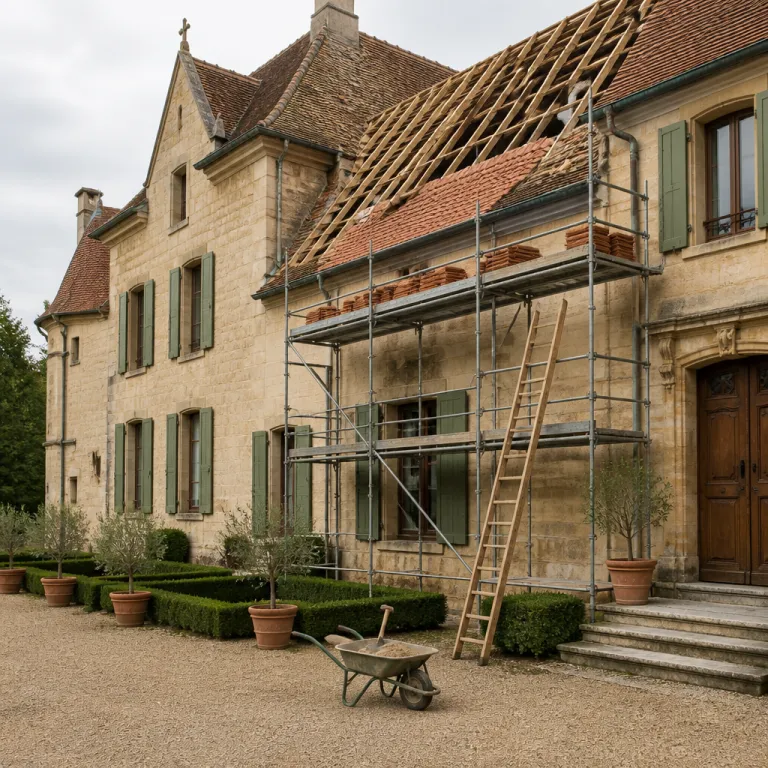
Why France's other chateau hotels matter for discerning travelers
France chateau hotel beyond Loire Bordeaux is no longer a niche idea. Couples who once focused only on the Loire Valley or Bordeaux wine region now quietly look to Burgundy, Provence, Brittany, and the Dordogne for more character and better value. This shift in French tourism is reshaping how you pick a château stay and how you plan your travel time across the country.
French chateaux in these alternative regions often sit on working vineyards, above a river valley, or behind fortified walls that once guarded a hunting lodge rather than a royal court. You still get the stone staircase, the grand dining room, and sometimes an outdoor pool, but the atmosphere feels less staged and more like a lived in house with history. For many guests, that difference turns a simple hotel night into a full day immersion in local culture, valley wine traditions, and slower paced château life in France.
Price is another reason to read beyond the usual Loire guides and book elsewhere. While classic Loire chateau hotel addresses can easily reach 250 to 500 euros per night, Burgundy, Brittany, and the Dordogne often sit closer to 150 to 350 euros for comparable comfort and design. That gap leaves more budget for wine tours, train tickets between regions, or a splurge on a Michelin star dinner in a château dining room where the sommelier pours local Chenin Blanc or Cabernet Franc by the glass.
Burgundy's wine chateaux: from Pommard towers to Relais & Châteaux classics
Burgundy is where France chateau hotel beyond Loire Bordeaux becomes a serious proposition for wine lovers. The region’s wine region runs like a narrow valley of grand cru villages, and staying in a château hotel here means waking up among vines rather than along the Loire riverbanks. Hostellerie de Levernois, set just outside Beaune, is a refined hotel in the heart of the Côte de Beaune wine region, with a calm park, polished French service, and easy access to valley wine tours focused on Chardonnay and Pinot Noir rather than Chenin Blanc.
The most anticipated opening is Château de la Commaraine in Pommard, positioned as the first true five star winery château hotel in Burgundy. Dating back to medieval times, this chateau combines a historic tower, contemporary design, and direct vineyard access, with winemaker led tours and tasting “safaris” that can easily fill a full day without leaving the estate. For couples used to the classic Loire Valley rhythm of day Loire excursions to Chambord or Chenonceau, this Burgundy model feels more immersive, with the chateau, the wine, and the landscape forming one continuous experience.
For a softer entry into Burgundy, Hostellerie de Levernois offers a Relais & Châteaux level of comfort without the crowds of the Loire chateaux. Rooms look onto gardens rather than battlements, the dining room leans toward refined French country cooking, and the cellar highlights local grand cru bottles instead of Loire Cabernet Franc or valley wine from the Hauts de Loire. If you are planning refined meetings or events, study how heritage properties manage circulation and salons ; guides such as a detailed castle floor plan analysis for Kildrummy in Scotland show how to read historical layouts and apply that knowledge when you book a château for private gatherings.
Provence: spa estates and vineyard chateaux with Mediterranean light
Head south and France chateau hotel beyond Loire Bordeaux takes on a different texture under Provençal light. Here the valley is often a bowl of vines and olive trees, the house is washed in pale stone, and the outdoor pool becomes as important as the dining room. Wine and spa culture blend, creating château hotels where a full day might move from a morning in the vines to an afternoon massage and an evening tasting rosé instead of Loire Chenin Blanc.
Château de Berne is a benchmark, a château hotel set amid working vineyards with 34 rooms, a serious spa, and the Michelin star restaurant Le Jardin de Berne. Couples can book wine tours that explore the estate’s own valley wine, then retreat to a design forward suite that still respects the proportions of the original chateau. The outdoor pool sits between vines and forest, and the dining room showcases Provençal produce with the same care that Loire chefs reserve for river fish, while the cellar focuses less on Cabernet Franc and more on structured rosés and reds from the surrounding wine region.
Nearby, Château Saint Martin & Spa, part of the Oetker Collection, offers a different expression of French château hospitality above Vence. The hotel feels more like a refined hunting lodge turned palace, with terraces that open over the valley and a spa that rivals anything in the Loire Valley or Bordeaux. If you want an art focused angle, Château La Coste near Aix en Provence combines a vineyard hotel with a sculpture park, proving that chateaux in France can be cultural destinations as compelling as any UNESCO heritage site, even without the fame of Chambord or Chenonceau.
Brittany and the Dordogne: fortified manors, river valleys, and real seclusion
For couples who care more about atmosphere than labels, France chateau hotel beyond Loire Bordeaux often means Brittany and the Dordogne. In Brittany, fortified manor houses stand in for grand Loire chateaux, their granite walls softened by hydrangeas and Atlantic light. These smaller chateaux and manors rarely carry a Relais & Châteaux plaque, but they offer intimacy, character, and prices that undercut many Loire Valley hotels by a comfortable margin.
Rooms in these Breton chateaux feel more like private house bedrooms than formal suites, with creaking floors, deep armchairs, and dining rooms where the menu leans toward seafood rather than valley wine pairings. You might not find a Michelin star at every table, yet the sincerity of the cooking and the sense of time layered into the stone often outweigh the absence of grand cru labels. For travelers used to the polished spa circuits of the Loire or Bordeaux, the luxury here lies in quiet gardens, short walks to the coast, and the feeling that you have stepped into a lived in chapter of French history rather than a stage set.
The Dordogne, by contrast, is all about river valley drama and hidden castles perched above meanders of the Vézère and Dordogne rivers. Many estates began life as a hunting lodge or defensive outpost and now operate as château hotels with outdoor pools carved into terraces, truffle hunting in the surrounding woods, and foie gras tastings in vaulted dining rooms. If you enjoy exploring lesser known castle regions, resources such as a curated guide to other castle hotels beyond Edinburgh show how rewarding it can be to look past the obvious capitals and apply the same mindset to France beyond the Loire Valley and Bordeaux.
Sancerre and the rise of vineyard chateaux beyond the classic Loire
Even within central France, France chateau hotel beyond Loire Bordeaux can mean stepping sideways from the main Loire Valley axis. Sancerre, technically part of the broader Loire wine region, has long been known for Sauvignon Blanc rather than Chenin Blanc, yet its hilltop setting and surrounding valley make it ideal for château style hotels. Les Hauts de Sancerre, often shortened to Les Hauts, is emerging as a key address, with new rooms, a serious restaurant called L’Atelier des Cèdres, and a permaculture garden that anchors the estate in contemporary French gastronomy.
Here the focus is less on royal chateaux like Chambord or Chenonceau and more on the rhythm of a working wine village. Guests can book full day wine tours that move from Sancerre to nearby Pouilly Fumé, tasting variations on Sauvignon Blanc rather than the Cabernet Franc and Chenin Blanc that dominate other parts of the Loire Valley. The château hotel itself feels like a bridge between traditional Loire chateaux and the more experimental design of newer wine region properties, with a dining room that frames vineyard views and an outdoor pool that looks over the valley wine landscape.
Domaine des Hauts de Loire, a classic Relais & Châteaux property in the Hauts de Loire area, still represents the archetype of a Loire hunting lodge turned hotel, with a serious restaurant and a park that invites slow walks. Yet when you compare it with Les Hauts de Sancerre, you see how France’s château hotels are evolving beyond the Chambord Chenonceau axis. The new generation keeps the house scale and the sense of time but plays more freely with design, sustainability, and wine tourism, offering couples a different way to read the story of French chateaux and to book stays that feel both rooted and forward looking.
Planning your chateau itinerary: trains, tastings, and where to book
Turning the idea of France chateau hotel beyond Loire Bordeaux into a workable itinerary starts with the map. High speed train lines link Paris to Burgundy, Provence, and Brittany, while regional trains and short drives connect you to individual chateaux scattered across each valley. A smart strategy is to pick two regions, plan three to four nights in each château hotel, and leave one full day in every place with no scheduled tours, just time to enjoy the house, the spa, or the outdoor pool.
When you book, remember that “chateau” in France covers everything from a fortified manor to a former hunting lodge or a grand palace like Château Chambord. Read room descriptions carefully, paying attention to whether the dining room operates every night, whether the spa is on site or shared with a partner hotel, and how the estate integrates wine tourism into its offer. Some properties, such as Château d’Isenbourg in Alsace or Royal Champagne Hôtel & Spa above Épernay, combine serious spa facilities with direct access to vineyards, echoing the model of Château La Coste in Provence and reinforcing the trend toward vineyard based château stays.
For travelers who enjoy mapping castle stays across countries, resources such as an elegant map of Ireland’s castle hotels show how to structure multi region journeys that balance driving time, train segments, and nights in historic properties. France now offers similar possibilities once you look beyond the Loire Valley and Bordeaux, linking Burgundy’s grand cru slopes, Provence’s spa chateaux, Brittany’s granite manors, and the Dordogne’s river valley fortresses. As one expert summary puts it, “Amenities vary; common features include luxury rooms, fine dining, and vineyard tours”, and that combination remains the most reliable filter when you choose between the hundreds of château hotels now scattered across France.
Key figures on France's chateau hotels beyond the Loire and Bordeaux
- France hosts around 700 château hotels according to the French Tourism Board, which means that properties beyond the Loire Valley and Bordeaux represent a significant share of the national castle stay offer.
- Average nightly rates in classic Loire chateaux often range from approximately 250 to 500 euros, while comparable château hotels in Burgundy, Brittany, Provence, and the Dordogne typically sit between 150 and 350 euros, giving couples more budget flexibility for wine tours and spa treatments.
- Regional tourism bodies report a rising interest in secondary regions, with steady year on year growth in overnight stays, reflecting increased demand for unique accommodations such as fortified manors and vineyard chateaux.
- Many château hotels in wine regions now integrate vineyard tours into their core offer, aligning with the broader trend of experiential tourism where guests expect more than a standard hotel stay.
FAQ: planning a stay in France's other chateau hotels
What amenities do these chateau hotels offer ?
Amenities vary widely, but most château hotels in France offer comfortable rooms, on site dining rooms, and landscaped grounds, with many adding spas, outdoor pools, and curated wine tours in nearby vineyards. In wine regions such as Burgundy, Provence, and Sancerre, properties often include tastings and cellar visits as part of their stay packages. As one expert note states, “Amenities vary; common features include luxury rooms, fine dining, and vineyard tours.”
Are these chateau hotels family friendly ?
Many château hotels welcome families, especially larger estates with parks, outdoor pools, and flexible room configurations. However, some properties position themselves primarily for couples seeking quiet stays, so it is essential to check each hotel’s policy on children, extra beds, and family activities. The most reliable approach is to contact the château directly before you book and confirm details such as meal times, pool access, and any age restrictions in the spa.
How can I book a stay at these chateau hotels ?
You can usually book directly through each château hotel’s official website, which often provides the most accurate information on room categories, seasonal rates, and special offers. Many properties also work with trusted travel agencies and specialist platforms focused on castle stays, which can help you combine several regions into one itinerary. According to expert guidance, “Reservations can be made through their official websites or travel agencies.”
Do I need a car to explore regions beyond the Loire and Bordeaux ?
High speed and regional trains connect major hubs such as Paris, Lyon, and Marseille to Burgundy, Provence, Brittany, and the Dordogne, so you can reach the general area without driving. For reaching individual chateaux scattered across the countryside, a rental car or pre arranged transfers usually provide the most flexibility, especially if you plan evening dining in the château restaurant. Some estates also organize private transfers from the nearest train station, which is worth requesting at the time of booking.
How far in advance should I book a chateau stay in these regions ?
For peak seasons such as late spring and early autumn, it is wise to book several months in advance, particularly for smaller château hotels with fewer rooms. Shoulder seasons often offer more availability and better value, but popular properties in Burgundy and Provence can still fill quickly around local festivals and harvest periods. A simple rule is to secure your château nights before you finalize train tickets or wine tours, ensuring the house you want becomes the anchor of your itinerary.