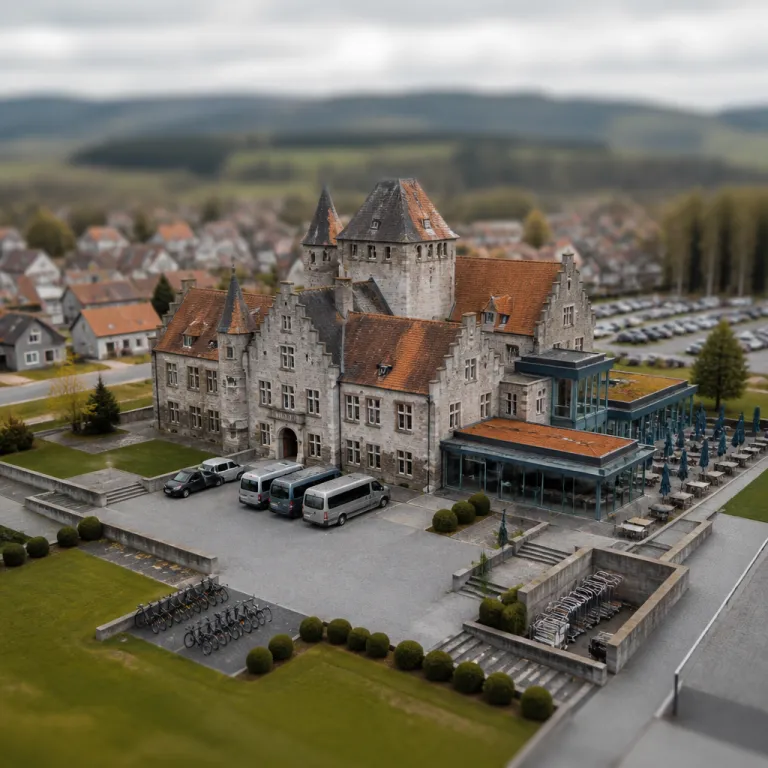
How peak season changes a castle hotel stay
July and August can turn a quiet castle retreat into a full resort almost overnight. During this peak season, the best properties protect the guest experience while still running at high occupancy, so your summer stay feels typical of the castle at its best rather than like a generic resort. When you are planning a family weekend or longer overnight stay, you need castle hotel summer peak season tips that go beyond generic advice and help you read how a property really operates when every room is taken.
High occupancy can shift a characterful dining room into something closer to a hotel buffet, and a walled garden in full bloom into a crowded terrace with queues for drinks. The most reliable castles manage this pressure with capped room numbers, carefully timed packages, and service teams trained to keep the atmosphere calm even when the weather turns hot and every table is taken. For example, a 30-room castle that limits restaurant covers to around 70 per sitting can usually avoid bottlenecks at breakfast and dinner; this figure is a practical rule of thumb rather than a formal industry standard. When you book, ask directly how the property handles the season, because honest answers here tell you more than any brochure or marketing line.
Industry data for the UK and Ireland from STR and regional tourism boards shows castle and country house hotel occupancy often pushing above eighty percent in peak months, which means every decision about when you explore the grounds or use shared spaces matters. STR’s published trend reports for these regions consistently show higher summer occupancy for historic and country properties than for shoulder seasons, while VisitBritain and Fáilte Ireland sample pricing illustrates how average daily rates climb in July and early August. Booking three to four months ahead usually secures better rates and more flexible packages, while a shift to the late August or early September shoulder season can bring savings of around a quarter compared with the July peak according to VisitBritain and Fáilte Ireland sample pricing ranges. For families, that difference can fund an extra weekend itinerary element, such as a guided garden tour, a falconry session on the lawns, or a farm table dinner built around ingredients sourced from the estate farm.
Castles that shine in summer: where full feels effortless
Certain addresses prove that a castle can run full in summer and still feel unhurried. Inverlochy Castle Hotel in the Scottish Highlands, for example, limits the number of non resident guests in its restaurants, so overnight stay visitors keep priority for key spaces during the busiest season. With just 17 bedrooms and roughly 40 dining seats reserved first for residents, the result is a calm, almost private resort atmosphere even when the car park is full and the weather is hot; these numbers are drawn from the hotel’s own published room count and typical dining layout.
In Tuscany, Castel Monastero operates more like a self contained hilltop village than a conventional hotel, which helps it absorb peak season crowds without losing its sense of place. Families can spread out between the pools, the spa, and the surrounding natural beauty of the vineyards, while adults still find quiet corners in the cloistered garden or on the historic grounds. Here, the charm modern travelers expect comes from discreet service and a layout that naturally separates lively areas from contemplative ones, so a family pool with around 40 loungers never overwhelms the cloister where fewer than a dozen seats are set out; these capacity figures are indicative examples based on typical resort zoning rather than fixed guarantees.
Across the Loire Valley, Châteaux such as Château de Perreux and Château de Pray use long, shaded drives, generous lawns, and mature trees in full bloom as a perfect backdrop to busy summer days. These properties often structure included summer packages around slow luxury themes, such as a farm to table dinner featuring ingredients sourced from nearby farms and river markets or a two night stay with breakfast, one tasting menu, and a private garden tour. For readers interested in heritage networks, Portugal’s pousadas offer another model of historic castle resort management, and you can see how this works in practice in our guide to Portugal’s pousadas and their castle network.
Red flags and how to read a castle’s summer capacity
Not every castle hotel handles peak season with grace, and the warning signs usually appear before you even book. If a property advertises temporary outdoor dining, pop up bars, or extra tented spaces only for summer, it often signals that the permanent infrastructure cannot support the number of guests it is trying to attract. In practice, that can mean long waits for service, overworked staff, and grounds that feel more like a festival than a refined resort, especially when a 25-room castle suddenly claims to host 150 diners on the terrace; this kind of ratio is a red flag scenario rather than a specific documented case.
Look closely at how the castle describes its accommodations and public rooms, because vague language often hides cramped layouts that strain under peak season demand. When a website leans heavily on generic summer offers and packages but says little about how many people each space can comfortably host, you should ask direct questions before you book. Our analysis of conservation practice draws on case studies from heritage organizations and conservation architects and shows that when owners chase capacity at all costs, heritage spaces suffer, a tension explored in depth in our feature on what castle hotels sometimes sacrifice to meet modern standards and how conservation architects weigh guest numbers against original fabric.
There is a simple test during your planning stage; ask whether the castle caps non resident restaurant bookings or day visitor access to the garden and grounds. Properties that say yes usually protect the overnight stay experience, while those that say no often slide into a volume driven model during the hottest weeks of the season. As one heritage focused guide notes, “How do castle hotels maintain authenticity? Through thoughtful restoration and discreet modern amenities,” and that same mindset usually extends to how many people they allow through the doors on a peak season weekend.
Slow luxury, family zoning, and when to go
A growing group of castle hotels is embracing a slow luxury approach that works particularly well in peak season. Instead of adding more rooms or louder entertainment, they refine the weekend itinerary, curate smaller group activities, and lean into the natural beauty of their estates. For families, this often means structured children’s programs in one wing and quieter lounges or libraries reserved for adults in another, so both sets of guests feel typical of the property’s core audience and no one group dominates the atmosphere.
Thoughtful zoning is where the best family friendly castles excel, separating play lawns from the main formal garden and positioning pools away from the most historic façades. Parents can relax into the experience knowing that children have space to explore, while couples still find a perfect backdrop for a romantic summer stay. Some estates even integrate a working farm into the resort layout, using ingredients sourced on site for farm to table dinners that are included summer highlights in many packages, such as a three course seasonal menu with vegetables from the kitchen garden and local cheeses.
Timing still matters more than any marketing promise, and this is where castle hotel summer peak season tips become practical. If your dates are flexible, target the late August to early autumn shoulder season, when the light is soft, the grounds remain in full bloom, and rates ease back from their July highs. For urban extensions to your trip, our guide to elegant and memorable city escapes shows how the same principles of atmosphere, service, and planning apply beyond the castle world and help you avoid the most crowded dates.
FAQ
When is the best time to stay in a castle hotel for fewer crowds ?
The most balanced moment is the shoulder season from late August into early autumn, when occupancy drops after the school holidays. You still enjoy long days, gardens in full bloom, and warm weather without the intense peak season pressure on service and shared spaces. Rates also tend to be lower than in July, which can free budget for a longer weekend or upgraded accommodations in a more characterful room.
How far in advance should I book a castle hotel for summer ?
For July and early August, aim to book three to four months ahead, especially if you need family rooms or interconnecting suites. This window usually secures better access to the most characterful rooms and to packages that include summer extras such as farm to table dinners or guided garden tours. Last minute bookings in peak season often leave only the least atmospheric rooms or dates that do not suit your weekend itinerary or flight schedule.
What should I ask a castle hotel before booking in peak season ?
Ask whether the property caps non resident restaurant reservations, how it separates adult and children’s spaces, and whether any temporary summer structures are used for dining or bars. Clarify how many guests the main dining room and garden terraces can comfortably host at once, and whether breakfast is seated or buffet style. These questions reveal whether the castle prioritizes atmosphere over volume when the resort is full and help you compare different castle hotel peak season options.
Are castle hotels suitable for families during the hottest summer weeks ?
Many castle hotels welcome families, but the experience varies widely in peak season. Look for estates that offer dedicated children’s programs, separate play areas on the grounds, and clear zoning between family friendly and quiet spaces. Properties that manage this well allow children to explore while adults still enjoy calm lounges, refined service, and a relaxed overnight stay that feels like a true holiday rather than a crowded theme park.
How do castle hotels balance authenticity with modern comforts ?
Leading properties invest in careful restoration, hiding modern systems behind historic fabric so that charm modern comforts coexist with original stone and timber. They work with heritage organizations and local artisans to preserve key rooms while upgrading bathrooms, bedding, and climate control for hot summer nights. This balance supports sustainable tourism, protects the castle’s character, and keeps the guest experience aligned with the building’s history even when the hotel is running at peak season capacity.