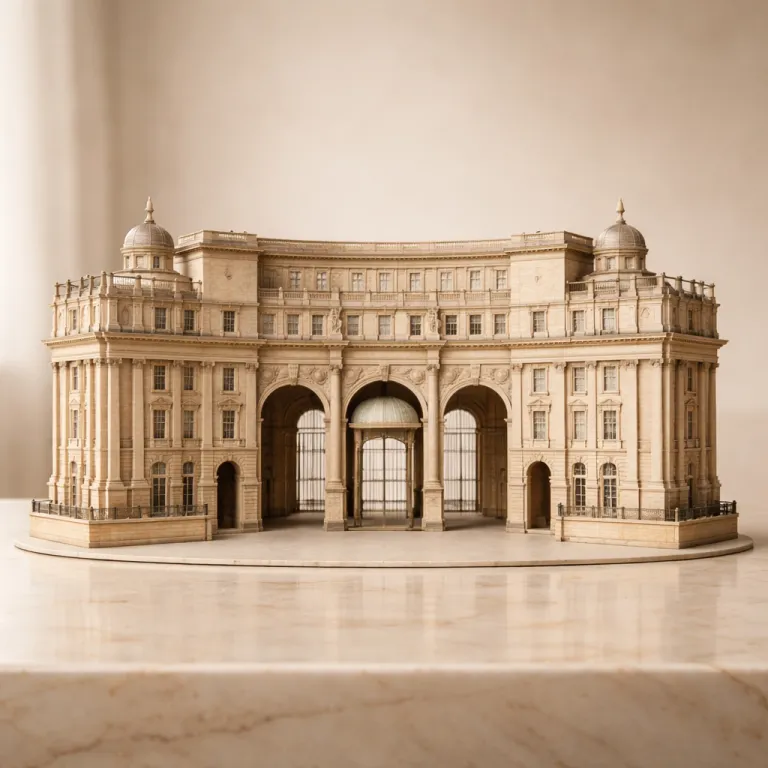
Waldorf Astoria Admiralty Arch London hotel: royal gateway reimagined
The Waldorf Astoria Admiralty Arch London hotel is set to transform one of Westminster’s most recognisable landmarks into a new focal point for luxury hospitality in central London.
From royal gateway to Waldorf Astoria Admiralty Arch London hotel
The ceremonial stone curve that frames The Mall between Trafalgar Square and Buckingham Palace is about to change how travellers sleep in central London. The Waldorf Astoria Admiralty Arch London hotel is scheduled to open within the Grade I listed Admiralty Arch building, turning a former Royal Navy headquarters and royal processional gateway into a luxury hotel with around 100 guest rooms and approximately 17,500 square feet of private residences, according to project information released by Hilton and the Reuben Brothers in joint development announcements and Westminster planning filings. For guests familiar with castle hotels and palace conversions across the United Kingdom, this London Admiralty project signals a new level of British luxury where state architecture, not just aristocratic estates, enters the hospitality arena.
The Reuben Brothers lead the redevelopment of the arch, with Hilton Worldwide operating the property under the Waldorf Astoria flag as part of its global portfolio of Waldorf Astoria hotels and high-end resorts. This partnership brings serious capital and operational expertise to a building commissioned by King Edward VII and completed as a triumphal arch facing The Mall, rather than a countryside palace hidden behind parkland. For business and leisure travellers, the Waldorf Astoria Admiralty Arch London hotel will offer a location that places you between government offices, royal ceremonial routes and the theatres of London, closer to Whitehall and the ministries of Westminster than to any castle keep.
The conversion uses advanced construction techniques and historic preservation methods to reinforce the structure while keeping the original Admiralty stonework, arches and royal insignia intact. As a Grade I listed monument, the building demands stricter oversight than many rural castle hotels, and every intervention in this London luxury project has been scrutinised by heritage authorities and local stakeholders. For guests, that means vaulted corridors, grand staircases and views down The Mall toward Buckingham Palace that feel as formal as a palace balcony, yet backed by the service culture of a modern luxury hotel operated by Hilton. As one planning document summarised, the aim is to “secure the long-term future of Admiralty Arch through sensitive adaptation for high-end hospitality,” a formulation echoed in local authority reports and heritage advisory notes.
Culinary ambitions above the Mall: Coreus and Cafe Boulud
The Waldorf Astoria Admiralty Arch London hotel is not only about rooms overlooking London landmarks; it is being positioned as a new reference point for British luxury dining in Westminster. Coreus by Clare Smyth MBE is slated to occupy the former residence of the First Sea Lord inside Admiralty Arch, bringing a fine-dining focus on United Kingdom seafood and farms into rooms once used for naval strategy, as outlined in Hilton’s restaurant partnership announcements. In parallel, Café Boulud by Daniel Boulud is planned as an all-day rooftop restaurant with a south-facing terrace, giving guests and Londoners alike a direct axis along The Mall to Buckingham Palace that few castle hotels or city properties can rival.
For travellers who plan trips around culinary experiences, the combined Michelin pedigree of Clare Smyth and Daniel Boulud matters as much as the building’s royal history. Smyth MBE brings the precision of her London restaurant Core, while Boulud extends his Café Boulud concept into this Waldorf Astoria setting with a more relaxed but still highly polished hospitality style. The Waldorf Astoria Admiralty Arch London hotel will also feature a Whiskey and Seaweed bar with a curated list of UK whiskies, adding a quieter counterpoint to the formal dining rooms and echoing the fireside intimacy travellers often seek in historic castle hotels across Ireland and Scotland, as explored in this analysis of Irish castle hotels and what the brochures leave out.
These restaurants sit at the heart of Hilton’s strategy to position the property not just as another entry in its hotels and resorts portfolio, but as a flagship for Waldorf Astoria hospitality in London. For guests extending a business stay, the ability to host clients at Coreus or at Café Boulud by Daniel Boulud inside the same luxury hotel removes the need to cross town for a serious meal. It also underlines how the Waldorf Astoria Admiralty Arch London hotel uses culinary programming to animate a Grade I listed monument that might otherwise risk feeling like a static museum piece rather than a living royal gateway, while giving local office workers and Westminster residents new dining options within walking distance of Whitehall.
Heritage stakes, public access and what this means for future castle conversions
Turning Admiralty Arch into the Waldorf Astoria Admiralty Arch London hotel raises sharper questions than a typical castle conversion in the countryside. This is not a remote Walpole family estate or a semi-abandoned palace; it is a working piece of London Admiralty history that frames state processions and daily views for thousands walking between Trafalgar Square and Buckingham Palace. The tension between private luxury and public heritage access will feature in every debate about how guests, London residents and visitors from across the United Kingdom move through and around the arch once the Waldorf Astoria opens.
Hilton and the Reuben Brothers have committed to preserving key ceremonial sightlines along The Mall, while integrating hotel functions such as a ballroom for up to 300 guests, a spa and high-specification suites. Official information confirms the scale of the project and its ambitions for the city: “When will the Waldorf Astoria at Admiralty Arch open?” “Scheduled for Spring 2026.” “What amenities will the hotel offer?” “Luxury rooms, spa, fine dining, ballroom.” “Who is developing the Admiralty Arch hotel?” “Reuben Brothers, operated by Hilton.” For travellers comparing this to other heritage projects, such as the major reinvention of a castle-style property near Windsor covered in our report on the £95 million reinvention of a Windsor castle hotel, the message is clear: heritage hospitality is now an asset class attracting serious institutional capital.
The appointment of general manager Guillaume Marly, a veteran of British luxury properties, has been highlighted in Hilton’s leadership announcements and signals that the Waldorf Astoria team intends to balance royal pageantry with contemporary expectations for privacy and technology. Local commentary has also raised concerns about how much of the arch will remain meaningfully accessible to the public, and whether a high-end hotel is the best long-term use for such a symbolic gateway, issues that Westminster councillors and heritage groups continue to scrutinise through conditions on lighting, traffic and security. Guests can expect the formality of a palace-style arrival when cars sweep off The Mall under the arch, but also the discretion and efficiency that business travellers demand from top-tier Waldorf Astoria hotels in London and beyond. For readers planning a wider European itinerary that mixes city icons with fortified estates, pairing a stay at the Waldorf Astoria Admiralty Arch London hotel with nights in historic castle hotels or urban heritage properties, such as those highlighted in our guide to exceptional city escapes in historic buildings, offers a way to experience how different eras of power architecture are being reimagined for twenty-first-century hospitality.