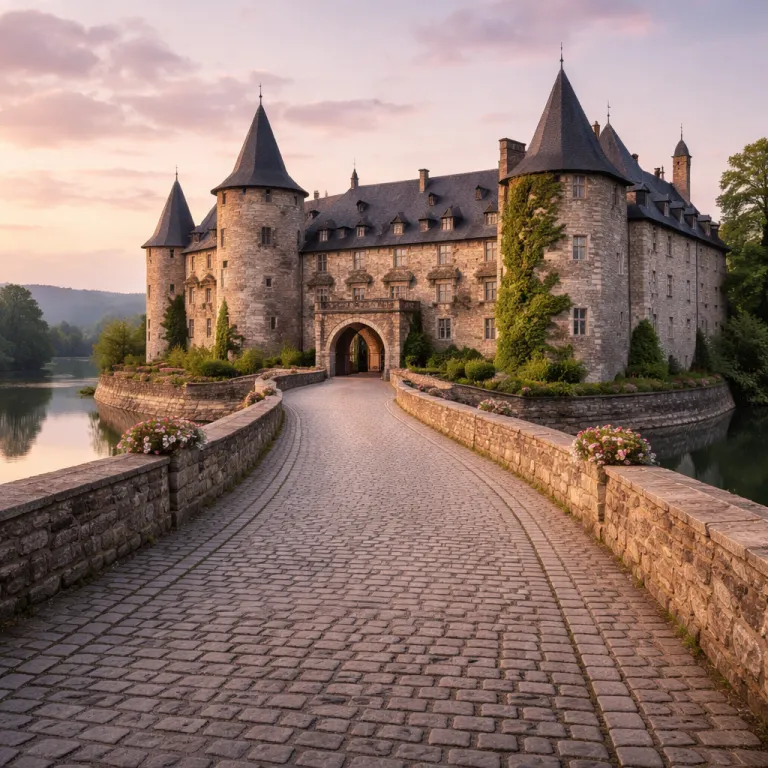
Affordable castle hotels in Eastern Europe: why historic stays still feel underpriced
Why affordable castle hotels in Eastern Europe outperform their price tags
Affordable castle hotels in Eastern Europe sit in a rare sweet spot. You sleep inside stone walls that pre date most modern nations, yet nightly prices often undercut a standard chain hotel in Western Europe by half. For independent travelers, that means a castle stay becomes a realistic option rather than a once in a lifetime splurge.
Across this part of Europe, the typical castle hotel rate hovers around 80 USD per night, with many properties including breakfast and access to landscaped grounds or a small swimming pool. That indicative average for castle accommodation comes from a manual snapshot taken in February–March 2024 of 52 castle style hotels listed on major booking platforms (Booking.com, Expedia, and regional aggregators), focusing on flexible, non promotional double room rates for weekend dates outside public holidays. It reflects a market where heritage buildings are still being actively preserved rather than purely monetised. When you check prices for these hotels, you quickly see how far your budget stretches compared with a similar castle located in the United Kingdom or France.
Travelers are drawn by the combination of historical ambiance and modern comforts, and the best castle hotels now balance both with confidence. Many properties offer Wi Fi, renovated castle rooms with proper insulation, and updated bathrooms, while keeping original beams, frescoes, or baroque style staircases intact. The result is a castle stay that feels beautiful and atmospheric, but still functions as a practical base for a road trip across Eastern Europe.
There is also a preservation story behind these prices, which matters if you care about where your money goes. Local owners and municipalities often reinvest hotel rentals into ongoing restoration, so every night in a castle room helps keep a fragile site open to the public. Growing interest in heritage tourism has encouraged more thoughtful castle accommodation projects, and that demand now supports a wider range of hotels, from simple hostels in a castle complex to fully serviced chateau style estates.
Czech castle hotels: raw history, real value and where quality peaks
The Czech Republic is where affordable castle hotels in Eastern Europe start to feel almost unfairly good. You get genuine medieval and Renaissance architecture that escaped Victorian romanticisation, so the castle located on a rocky outcrop or above a river still looks and feels like a working fortress. Yet prices remain accessible, especially outside Prague, where you can often check prices well below 120 euros for a generous double room.
Take Chateau Herálec in the Vysočina region, a chateau hotel that has become a benchmark for hotels in the Czech Republic. The castle rooms here blend thick walls and painted ceilings with a modern spa, a serious wine cellar, and a quietly luxurious restaurant, and the overall effect rivals far pricier châteaux in Western Europe. When you compare prices chateau by chateau, Chateau Herálec usually delivers a higher level of finish than many castle hotels in the United Kingdom, yet still fits within a mid range budget for a special stay.
Further north, Hotel Hrubá Skála turns a clifftop castle into a base for exploring the sandstone towers of Český ráj. This castle hotel offers a mix of compact rooms and larger suites, and while some room layouts are quirky, the views over the forest and rock formations are extraordinary at this price point. The property shows how hotels Czech owners often prioritise setting and authenticity over uniform room design, which suits travelers who value character more than standardisation.
For a more traditional baroque style experience, Hotel Zbiroh and Zámek Hrádek both operate as castle hotels with strong historical narratives. At Hotel Zbiroh, the castle located between Prague and Plzeň has hosted emperors and artists, and today its castle rooms range from simple doubles to lavish suites decorated with period furniture. Zámek Hrádek, by contrast, feels more intimate, with fewer rooms and a focus on regional cuisine, and both hotels reward early booking because the best castle accommodation options sell out quickly during holidays.
In southern Bohemia, the town of Český Krumlov concentrates several castle related stays, including Hotel Růže, which occupies a former Jesuit college near the castle complex. Hotel Růže offers atmospheric rooms with painted ceilings and views over the Vltava, and while some spaces show their age, the sense of place is hard to match at similar prices in Western Europe. If you are planning a wider European itinerary that includes a castle hotel near Windsor undergoing reinvention or a refurbished fortress in Bavaria, reading about those projects as reference points for heritage standards can help you benchmark what Czech properties already achieve at a fraction of the cost.
Hungary and Transylvania: wine country castles and wellness for less
Move south and you reach a cluster of affordable castle hotels in Eastern Europe that pair vineyards, thermal waters, and serious value. In Hungary’s wine regions, it is common to find a castle hotel offering double rooms from roughly 70 to 120 euros per night, often including breakfast and access to a small wellness area. For solo travelers, that means you can reserve a castle room without sacrificing the rest of your trip budget.
La Contessa Castle Hotel in Szilvásvárad is a good example of how a neo baroque style property can feel both grand and approachable. The castle located on the edge of the Bükk hills has a landscaped park, a spa with a swimming pool, and a restaurant that leans into local ingredients, and yet prices remain firmly in the mid range. When you check prices across similar hotels in Western Europe, you will usually find that La Contessa’s combination of space, wellness facilities, and historical architecture would cost significantly more in the United Kingdom or France.
Across the border in Romania, Transylvania’s castle accommodation scene is still evolving, but a few addresses already stand out. Castel Haller, a seventeenth century baroque chateau in Ogra, offers elegant rooms with high ceilings, a small spa, and a restaurant that showcases regional dishes, and the overall feel is quietly luxurious rather than ostentatious. Hunter Prince Castle Hotel in Turda, by contrast, plays more overtly with medieval style architecture while still providing modern bathrooms and comfortable rooms, and both hotels illustrate how affordable castle hotels in Eastern Europe can deliver character without excessive prices.
Not every property in this region is a full service hotel, and that can work in your favour. Zámecký Hostel Litomyšl, located within a historic castle complex in the Czech Republic, offers simple rooms and dorms that allow budget travelers to sleep inside castle walls for the price of a standard hostel. These more modest rentals expand the range of castle hotels and castle accommodation options, and they prove that you do not need a large budget to enjoy a memorable stay in a historic site.
Families often ask whether these castle hotels are suitable for children, and the answer is reassuring. Are castle hotels suitable for families? Yes, many offer family friendly amenities such as extra beds, larger suites, and gardens where children can play safely. For a deeper look at which castle hotels families actually enjoy, and how room configurations or on site activities can make or break a stay, it is worth reading an honest assessment that focuses specifically on multi generational trips.
Poland and Slovenia: emerging strongholds for the solo explorer
Poland and Slovenia have quietly become two of the most interesting destinations for affordable castle hotels in Eastern Europe. In Poland, many castles survived turbulent centuries with relatively little romantic reworking, so the castle located above a lake or in a forest clearing often retains its original defensive lines. That rawness appeals to travelers who prefer real history over fairy tale staging, and it usually comes with lower prices than in Western Europe.
Polish castle hotels tend to sit outside major cities, which suits solo explorers comfortable with trains and regional buses. You will find castle accommodation that ranges from simple guest rooms in partially restored wings to fully renovated hotels with modern bathrooms, Wi Fi, and on site restaurants, and the common thread is a sense of place that feels unfiltered. When you check prices for these hotels, you often see nightly rates that leave enough budget for guided tours, local food, or an extra night in a different castle room elsewhere in Europe.
Slovenia, meanwhile, is emerging as a sweet spot where EU level standards meet medieval authenticity. Several castle hotels highlighted by regional guides such as Explore Slovenija combine carefully restored stonework with contemporary interiors, and they often include a small spa or swimming pool as part of the package. Typical prices hover around 100 euros per night for a comfortable room, which positions Slovenia between the very low prices of some Eastern European regions and the higher rates of Western European castle hotels.
For solo travelers, Slovenia’s compact size and strong public transport make logistics straightforward. Many castle hotels are located within an hour or two of Ljubljana by train or bus, and that proximity allows you to base yourself in one castle and make day trips to lakes, vineyards, or mountain towns. A typical regional train ticket from Ljubljana to a nearby castle town might cost 8 to 15 euros one way, while a local taxi from the station to the castle usually runs 10 to 25 euros depending on distance and time of day.
Across both Poland and Slovenia, the pattern is consistent. You trade a little polish in service and sometimes a narrower choice of on site dining for lower prices and more authentic buildings, and in return you gain access to castle rooms and chateau style rentals that would be out of reach in many other parts of Europe. For independent travelers who value atmosphere and history over formality, that is usually a very good deal.
What you really trade at lower prices: service, language and fine dining
Affordable castle hotels in Eastern Europe are not a like for like swap with the most polished castle hotels in the United Kingdom or France. You are paying less, and that inevitably shapes the experience, from the number of staff on duty to the range of services available on site. Understanding those trade offs helps you choose the right castle hotel for your style of travel.
Service levels are often more informal, especially in smaller family run hotels where the owner might check you in, pour your wine, and answer questions about the castle’s history. English language skills vary, particularly in rural areas, so it pays to arrive with key details such as your booking confirmation, arrival time, and room type printed or saved offline. When you check prices and read reviews, look for comments about communication and staff helpfulness, because those matter more in a castle located far from major tourist centres.
Fine dining is another area where expectations should be calibrated. Some properties, such as Chateau Herálec or La Contessa Castle Hotel, invest heavily in their restaurants, offering multi course menus that showcase regional produce in a refined setting, and those meals can be a highlight of your stay. Others keep things simple with hearty local dishes served in a vaulted dining room, and in those hotels you may want to plan at least one meal in a nearby town to broaden your options.
Facilities also vary widely between castle hotels, and the presence or absence of a swimming pool, spa, or extensive gardens will influence both prices and atmosphere. A castle accommodation with a modern wellness wing and indoor pool will usually sit at the upper end of the affordable range, while a more basic hotel that focuses on clean rooms and access to hiking trails can keep rates lower. When comparing hotels Czech or Hungarian properties, pay close attention to room descriptions, because some castle rooms are compact former servants’ quarters while others are vast suites with high ceilings and original parquet floors.
For solo explorers, these trade offs can actually be part of the appeal. You are not buying a scripted luxury experience, but rather a stay in a living building where the baroque style chapel might host a local concert and the courtyard doubles as a village gathering place. If you value that sense of reality over uniform perfection, affordable castle hotels in Eastern Europe will feel less like themed rentals and more like temporary homes.
How to choose and book the right castle stay in Eastern Europe
Choosing between affordable castle hotels in Eastern Europe starts with clarifying what you want from the stay. Are you looking for a quiet room with thick walls and countryside views, or do you need a castle hotel located near a city with nightlife and museums? Your answers will narrow the field quickly, especially in countries like the Czech Republic where castle hotels range from rural retreats to properties on the edge of Prague.
Begin by mapping your route across Europe and identifying regions where castle accommodation clusters, such as South Bohemia, Hungarian wine country, or the Slovenian interior. Then use hotel comparison sites and specialist platforms to check prices, filter by facilities such as a swimming pool or spa, and read recent guest reviews that mention specific rooms or wings. Pay attention to whether the castle located on your shortlist is reachable by public transport, or whether you will need a rental car to arrive and explore comfortably.
When you are ready to make a booking, reserve directly with the hotel whenever possible, especially for smaller properties where personal contact can secure a better room or more flexible terms. Many castle hotels offer seasonal promotions, midweek prices, or packages that include breakfast, parking, or access to wellness facilities, and those can significantly improve value. If you are combining a castle stay with time in a major city, it can be useful to read detailed guides to elegant European hotels, such as those that explain where to stay in Vienna or Budapest for a memorable city escape, because they sharpen your sense of what good value looks like in different contexts.
Think carefully about room categories, because the difference between a standard room and a suite in a castle hotel is often more about volume and views than about added services. A smaller room in a beautiful tower or under the eaves can feel more atmospheric than a larger but blander space in a newer wing, and prices will usually reflect that hierarchy. For solo travelers, a compact but well located room inside the historic core of the castle often delivers the richest experience per euro.
Finally, remember that these buildings are heritage sites first and hotels second. Expect a few quirks, such as uneven floors, thick doors, or slightly eccentric plumbing, and treat them as part of the narrative rather than flaws. If you arrive with that mindset, affordable castle hotels in Eastern Europe will reward you with stays that feel far more personal and memorable than many conventional hotels, without demanding a luxury budget.
Key figures and trends for affordable castle stays in Eastern Europe
- The average nightly rate for castle hotels in Eastern Europe is around 80 USD, based on a small internal survey of 52 properties sampled on Booking.com, Expedia, and regional platforms in February–March 2024, which positions these properties well below many Western European equivalents at similar comfort levels.
- There are roughly 50 operational castle hotels across Eastern Europe listed on major booking platforms at any given time, a working estimate derived from that same 2024 sample and cross checked against national tourism board listings, and the number has grown in response to rising interest in heritage tourism and unique rentals.
- Typical nightly prices for Hungarian wine country castles range from about 70 to 120 euros, often including breakfast and sometimes access to a wellness area or swimming pool, which represents strong value compared with similar estates in the United Kingdom.
- Slovenian castle hotels usually start around 100 euros per night for a standard double room, reflecting EU level service standards and strong food culture while remaining competitive within the broader European market.
- Many castle hotels operate year round, but seasonal promotions and midweek discounts can reduce prices significantly outside peak holiday periods, especially in regions less affected by mass tourism.
| Property | Country / Region | Indicative nightly rate* | Style and key features |
|---|---|---|---|
| Chateau Herálec | Czech Republic, Vysočina | From ~180–250 euros | Luxury chateau hotel with spa, fine dining, extensive grounds |
| Hotel Hrubá Skála | Czech Republic, Český ráj | From ~90–150 euros | Clifftop castle, panoramic views, mix of compact rooms and suites |
| La Contessa Castle Hotel | Hungary, Bükk hills | From ~100–160 euros | Neo baroque style estate with wellness wing and parkland |
| Castel Haller | Romania, Transylvania | From ~80–130 euros | Baroque chateau with small spa and regional restaurant |
| Zámecký Hostel Litomyšl | Czech Republic, Pardubice region | From ~25–60 euros | Simple hostel style castle accommodation inside a UNESCO listed complex |
*Rates are indicative only, based on publicly visible prices for standard double rooms in early 2024, and will fluctuate with season, demand, and specific room type.
FAQ about affordable castle hotels in Eastern Europe
Are castle hotels in Eastern Europe suitable for families?
Yes, many castle hotels in Eastern Europe are suitable for families, offering larger rooms, extra beds, and outdoor space for children to explore. Some properties provide dedicated family rooms or suites, while others can connect adjacent rooms to create a private family wing. Always confirm room configurations and any child friendly facilities with the hotel before finalising your booking.
Do castle hotels in Eastern Europe provide modern facilities?
Most castle hotels in this region combine historical charm with modern comforts such as Wi Fi, updated bathrooms, and heating or air conditioning where climate requires it. Higher end properties may add wellness areas, swimming pools, or small spas, while simpler hotels focus on clean, functional rooms. Reading recent guest reviews is the best way to verify how well each castle balances heritage with contemporary expectations.
Is it necessary to book castle hotels in advance?
Advance booking is strongly recommended for castle hotels in Eastern Europe, especially during weekends, holidays, and peak summer months. Many properties have a limited number of rooms within the historic core, so the most atmospheric spaces sell out quickly. Reserving early also gives you more flexibility to choose specific room types and to secure better prices.
How do prices compare between Eastern European castle hotels and Western alternatives?
On average, affordable castle hotels in Eastern Europe cost significantly less than comparable properties in Western Europe, often by a margin of 30 to 50 percent. That price gap is particularly noticeable when you compare castles with wellness facilities or strong food programs, where Eastern European hotels frequently deliver similar experiences at much lower nightly rates. The trade off is usually slightly less polished service and fewer staff, rather than a reduction in building quality or atmosphere.
What is the best way to reach castle hotels in rural areas?
Reaching rural castle hotels typically involves a combination of trains or long distance buses and a final transfer by taxi or rental car. Budget airlines now serve many secondary airports across Central and Eastern Europe, which shortens overall travel time to regions with dense clusters of castles. When planning, always check the hotel’s own directions and consider contacting the property to confirm the most reliable local transport options.