Kilchoan Estate Scotland opening: Dunton heads for the edge of the map
The Kilchoan Estate Scotland opening marks a rare moment when luxury travel pushes into true wilderness rather than manicured parkland. Set to open June as Kilchoan Estate by Dunton, the project takes a 13 000 acre estate on the Knoydart peninsula and quietly folds it into Dunton Destinations’ portfolio of remote retreats. For travelers who track new Scottish destinations closely, this is the estate Dunton launch that finally tests how far into the Scottish Highlands high end hospitality will go.
The location sits between Loch Nevis and Loch Hourn, with the nearest village and main road well out of sight. Access to Kilchoan will be either by boat from Mallaig across the loch or on foot via a 27 km hike from Glenfinnan, which makes arrival feel more like an expedition than a standard hotel transfer. That remoteness places the Kilchoan estate alongside Hope in Sutherland as part of a new wave of conservation led Scottish Highlands openings that treat nature as the primary asset and luxury as a quiet supporting act.
This is not a hot springs resort or a tartan heavy spa fantasy, even if Dunton Destinations is best known for Dunton Hot Springs in Colorado. At Kilchoan, the estate will open as a working landscape first, with stalking, fishing and long days on the hill shaping the rhythm of a stay. For readers used to the polished seclusion of North American hot springs lodges, this new place in Scotland offers a more elemental version of comfort where the loch, the weather and the light do most of the design work.
The ownership story matters here for anyone weighing where to book. Kilchoan sits within a wider conservation vision shaped over decades by Anders and Anne Holch Povlsen, while the hospitality layer is handled by Dunton, led by owners including Christoph Henkel and Katrin Henkel. That combination of a long term estate report on ecological restoration with Dunton’s track record in remote luxury travel suggests the Kilchoan Estate Scotland opening is designed to serve both guests and the land with equal seriousness.
Design responsibility has been handed to London based Studio Waldo Works, the same studio Waldo behind several quietly confident European projects. Early material from Dunton shows a restrained approach, with the long house and individual cottages reading more as contemporary Scottish farm buildings than stage set castles. For travelers comparing castle stays from the Loire to the Rockies, Kilchoan’s architecture feels closer to the honest stone of working estates than to theatrical turrets, a contrast worth noting if you have stayed in Canadian castle hotels that capture the spirit of the Rockies and prefer atmosphere over fantasy.
The Kilchoan estate will open with just five private cottages, each positioned to keep the sense of space that defines this part of Knoydart. Those cottages, along with a central long house, will served as the social and logistical heart of the property, including dining, a compact spa and staging for guided activities. For solo travelers, that scale matters ; it keeps the guest count low enough that staff can tailor each day around weather, wildlife and personal pace rather than running a fixed program.
From Dunton Hot Springs to Knoydart: American polish, Scottish wildness
For readers who know Dunton Hot Springs in Colorado, the Kilchoan Estate Scotland opening feels like a deliberate pivot from hot springs comfort to salt spray and peat smoke. Dunton Destinations built its reputation by turning a ghost town into a benchmark for discreet luxury, and the same brand now brings that experience to an estate in the Scottish Highlands where there is no village, no main road and no easy exit. Courtesy Dunton, the Kilchoan estate becomes the first European outpost for a company that understands how to make isolation feel indulgent rather than inconvenient.
Unlike Dunton Hot Springs, there are no geothermal pools here, but the spa facilities at Kilchoan will lean into heat and water in a different way. Expect saunas, cold plunges and treatment rooms that frame the loch and the hills instead of indoor murals of stags and tartan, a more restrained answer to the Celtic hot tubs for castle stays trend seen elsewhere in Scotland. For travelers who have already sampled serene spa luxury in historic walls, this new place in Scotland offers a cleaner, more landscape driven interpretation of wellness.
The Kilchoan estate by Dunton sits on the Knoydart peninsula, a region often described as Britain’s last wilderness and already partly stewarded by the Knoydart Foundation. That context matters because the estate will open into a community where conservation is not a marketing line but a daily practice, from deer management to path maintenance. For guests, it means that every walk from the cottages into the surrounding nature is shaped by long running ecological works rather than short term tourism trends.
Operationally, the estate Dunton team will served a guest profile that mixes seasoned luxury travel clients with hikers and anglers who care more about the loch than the wine list. The long house will act as a hub where guides, ghillies and spa staff coordinate each day’s plan, including boat trips, stalking, fishing and low key foraging walks. For solo explorers, that structure offers both independence and a safety net, which is essential in a place where weather can turn quickly and paths run for many kilometres without a house in sight.
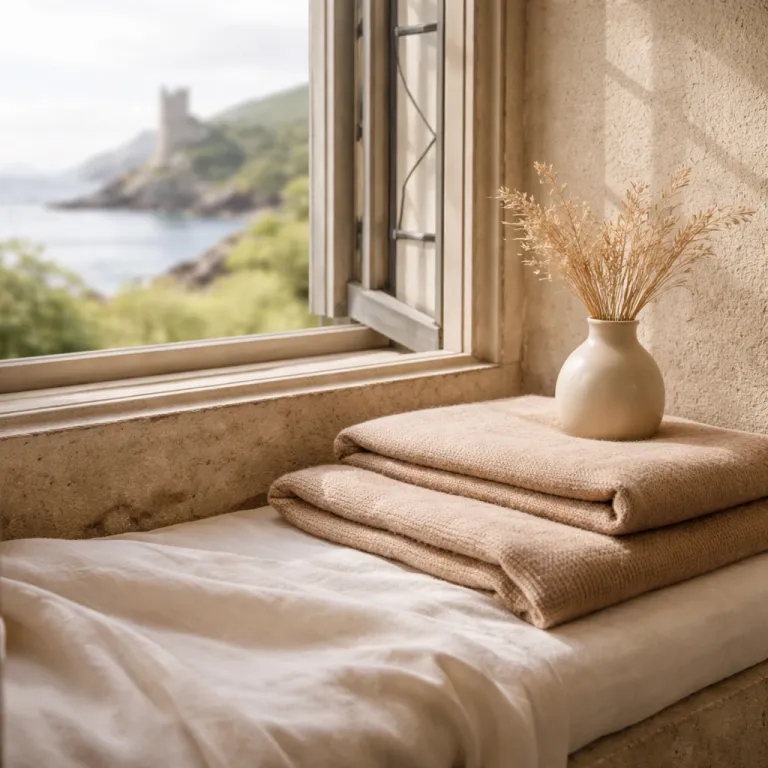
Design wise, Studio Waldo Works has taken cues from traditional Scottish estate buildings, using stone, timber and deep window seats rather than glossy statement pieces. The cottages are compact but carefully detailed, with fireplaces, thick walls and views that prioritise the loch or the highlands over interior theatrics. For travelers who have followed the rise of castle stays and estate conversions across Scotland, this quieter aesthetic signals a shift from showpiece properties to places that feel genuinely lived in.
For those tracking the broader market, the Kilchoan Estate Scotland opening extends Scotland’s lead in castle and estate stays per capita into genuinely wild terrain. It also aligns with a wider rise in sustainable tourism, where guests are willing to trade instant connectivity for meaningful immersion in nature. That trade off is explicit here ; prepare for limited signal, long travel times and weather that can shut down boat access, but expect a level of attention to detail that reflects Dunton’s experience in running remote properties.
Planning a stay: access, seasons and how Kilchoan fits your itinerary
Reaching the Kilchoan estate is part of the story, and prospective guests should plan carefully. Most travelers will arrive by boat from Mallaig, crossing the loch in scheduled or private transfers that need to be booked well ahead, especially in peak luxury travel periods. The alternative is a 27 km hike from Glenfinnan, a serious route that suits experienced walkers who understand Scottish weather and carry proper gear.
Once on the estate, the rhythm of a stay follows the seasons, with stalking, fishing and long hikes forming the backbone of the activity report. Stag stalking typically begins in late summer, while prime fishing on nearby lochs and rivers runs into autumn, and winter brings shorter days but intense clarity in the highlands. Year round, guided walks, boat trips and low key spa time in the long house give solo travelers enough structure without turning the place into a resort with a rigid timetable.
For readers comparing Kilchoan with other castle style stays, the key difference is that this is a working estate that happens to accept guests. There are no turrets, but there is a library where the leather smells older than some countries, and evenings are more likely to involve a fire, a dram and a conversation about the day’s weather than a formal gala. If you enjoy hotels in Killarney for unique historical experiences in castle settings yet want something wilder, Kilchoan offers that next step into remoteness.
From a booking perspective, the Kilchoan Estate Scotland opening will appeal to travelers who already plan their itineraries around specific estates rather than cities. You might pair a few nights here with time on the Knoydart peninsula proper, or with other remote Scottish destinations that prioritise conservation, such as properties in Sutherland or the Hebrides. For those who like to cross compare regions, it also sits interestingly alongside North American mountain properties and Canadian castle style lodges, which we cover in depth elsewhere on castle stay focused platforms.
Behind the scenes, the project reflects a network of people and organisations whose names matter if you care about where your money goes. The estate’s conservation focus has been shaped over decades, while Dunton, led by figures such as Edoardo Rossi on the operational side and the Henkel family at ownership level, brings hospitality discipline to the works already underway on the land. That alignment between long term stewardship and guest experience is what sets this opening apart from more conventional luxury launches.
For clarity on logistics, Dunton has already addressed the core practical questions for guests : “How do I reach Kilchoan Estate? By boat from Mallaig or a 27 km hike from Glenfinnan.” “What activities are available? Hiking, fishing, deer stalking, and spa services.” “Is Kilchoan Estate open year-round? Yes, it offers year-round access.” For solo explorers who value precise information as much as atmosphere, those answers, combined with the Kilchoan Estate Scotland opening timeline, make it easier to decide whether this remote place in Scotland fits your next itinerary.