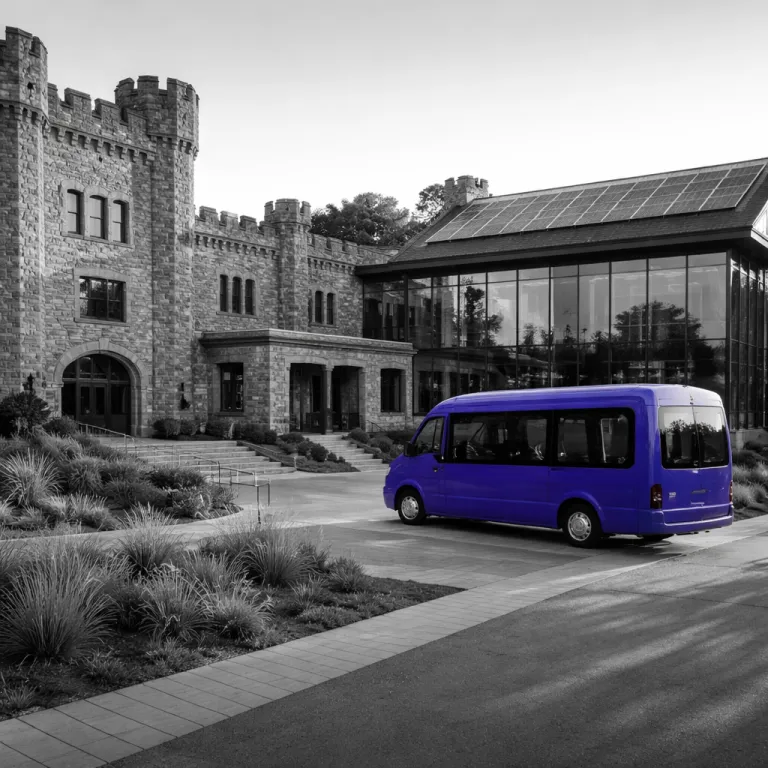
From costume drama to character: how castle hotels are rewriting luxury
Castle hotels that still sell a princess fantasy are losing relevance fast. Couples planning a serious castle stay in 2026 want a property that treats them as curious adults, not extras in a costume drama, and that shift is reshaping how every historic estate positions its offer. Across Europe and beyond, the most interesting castle retreats now lead with architecture, landscape and service rather than tiaras and thrones.
This change is especially clear in heritage hotels that have always traded on rich history but now frame it with editorial precision. Instead of vague legends, the best castle teams curate an experience story that connects the original country estate, the surrounding village and the present day, so you learn why the stone staircase is worn or how the bar ended up pouring a local gin distilled in the former stables. Guests who travel for meaning, not make believe, are rewarding that honesty with longer retreat bookings and higher spend in restaurants and spas, a pattern reflected in recent luxury travel surveys from major booking platforms such as Booking.com and Virtuoso (2024 trend reports).
Properties that cling to dated castle marketing slogans and “live like royalty” packages are seeing softer repeat rates among the 30 to 55 demographic who drive luxury travel, according to internal benchmarking shared at industry conferences and summarized in Skift’s 2024 luxury hospitality brief. These travelers will still book a dramatic room in a turreted castle hotel, but they expect the same clarity on privacy policy, sustainability and accessibility that they receive from leading hotels worldwide. When a hotel instead pushes themed events and plastic crowns, couples quietly move their next tour to a competitor that offers luxurious authenticity rather than props.
Look at Castle Hotel Windsor’s redesign, which explicitly targets a new generation of travellers who want heritage context without costume drama. The public spaces now balance period plasterwork with contemporary furniture, and the dedicated team talks about craftsmanship, not coronations, which makes the hotel feel grounded rather than themed. That same instinct is visible at Schloss Lieser in Germany, where the castle’s Moselle river views and historic wine cellars are allowed to breathe, while rooms are fitted with discreet technology that supports, rather than shouts over, the building’s character. As one Schloss Lieser manager put it in a recent hospitality panel, “Our job is to let the stone speak first, and then layer comfort on top.”
In this new landscape, the castle hotel luxury experience in 2026 is defined less by fantasy and more by editorial discipline. Couples want to book room categories that are clearly described, understand which spaces are genuinely historic and which are new wings, and then choose how deeply to engage with the story. When a castle hotel respects that intelligence, the result is a quieter kind of elegance that feels far more luxurious than any cardboard crown.
Design that respects stone: why restraint now signals true elegance
Space Copenhagen’s work in Danish castle interiors has become a touchstone for this new era. Their approach to the castle hotel luxury experience in 2026 is simple but radical in a sector long addicted to velvet and gilt: every design decision feels intentional, with natural materials and calm palettes that let medieval beams and thick walls do the talking. Rather than competing with the castle, the furniture and lighting sit back, so guests can explore the grain of the oak and the depth of the window reveals without distraction.
That same respect for fabric over fantasy is shaping renovations across Europe and in Ireland, where serious investors now treat castles as long term cultural assets rather than themed attractions. At Ashford Castle, for example, the restoration has focused on preserving a sense of country estate life, from the library where the leather smells older than the country to the drawing rooms where afternoon tea is served with quiet ceremony instead of theatrical fanfare. Couples who travel here for a romantic retreat are not chasing a cartoon version of an Ireland castle; they are paying for the chance to inhabit a living, historic home that offers unparalleled comfort.
In Wales and Scotland, the same pattern holds, with substance first properties setting the pace for castle stays that feel grown up. If you are weighing different castle hotels for a road trip, compare how they talk about their rooms and public spaces: the most confident historic hotels describe stone thickness, light quality and craftsmanship, not just four poster beds and tartan. For a deeper dive into how this plays out in practice, the guide to timeless elegance at luxury castle hotels in Wales shows how restrained design can still feel richly romantic.
Even outside Europe, from Hazlewood Castle in Yorkshire to Castle Hotel, Autograph Collection in Orlando, the best castles and hotels now use contemporary design to frame, not fake, heritage. You might book a room in a tower with arrow slits, then step into a bar where the lighting is pure modern hospitality, but the stone floor remains uneven and honest. That blend of comfort and character is what couples love, because it turns a castle hotel from a stage set into a place you could imagine returning to every year.
For travelers comparing hotels castle by castle, the design question is no longer “How royal will I feel?” but “How well does this space help me learn the building’s story?”. When a dedicated team can explain why a corridor bends or how a former chapel became a quiet lounge, the castle hotel luxury experience in 2026 becomes both more intimate and more memorable. Elegance, in this context, is the confidence to leave some stone bare and some stories untidily human.
Inclusive, intelligent service: how modern castle stays redefine luxury
Service is where the gap between fairy tale and reality shows most starkly. Inverlochy Castle’s inclusive luxury initiative is a clear marker of where the castle hotel luxury experience in 2026 is heading, because it treats accessibility as a design principle rather than an afterthought. Ramps, lifts and adapted rooms are integrated so carefully into the historic fabric that they feel like part of the original plan, illustrating how a castle can offer luxurious comfort to every guest without aesthetic compromise.
Couples in their thirties and forties now expect this level of thoughtfulness as standard, whether they travel to a Scottish glen, a Loire Valley castle or an Ireland castle on a misty lake. They will happily book a castle hotel with no spa if the team can arrange a private tour of the grounds, a quiet bar table by the fire and a late checkout that respects their need for a slow retreat. What they will not tolerate is a property that spends heavily on themed events but cannot provide a clear privacy policy or a step free route to the dining room.
Substance first properties such as Ashford Castle, Cromlix and the Fife Arms show how to get this balance right, with service that feels both relaxed and deeply informed. At Ashford, the dedicated team can book table reservations for afternoon tea, arrange falconry sessions or suggest a self guided tour of the estate, all while narrating the castle’s rich history in a way that feels conversational rather than rehearsed. That same ethos is visible at independent properties like Landoll’s Mohican Castle in Ohio, where staff lean into the forest setting and encourage guests to explore trails rather than pushing generic packages.
For travelers comparing prices, understanding how these service layers shape value is essential, and guides that unpack how luxury vacation rental pricing factors shape the true value of a castle stay can be more useful than any glossy brochure. A castle hotel that offers unparalleled service will be transparent about what is included in each room category, how many signature events run each season and whether family stays are genuinely welcomed or just tolerated. When you can see that clarity in the booking journey, from the first click to the final confirmation, you are usually looking at a property that understands modern luxury.
One practical test before you book room options for a special anniversary or honeymoon is to email the hotel with a specific, slightly unusual request. For example, a couple recently wrote to a Scottish castle asking for “a quiet corner for afternoon tea, a short history walk that avoids steep stairs, and a vegetarian tasting flight at the bar.” The reservations team replied within a day with a suggested itinerary, accessibility notes and two alternative time slots. That kind of response tells you more about the true castle hotel luxury experience in 2026 than any marketing line. Inclusive, intelligent service is not about saying yes to everything; it is about listening carefully, then shaping a stay that feels like it could only happen in that particular castle.
How to choose a castle hotel that will still feel right next year
For couples planning a castle hotel luxury experience in 2026, the hardest part is often choosing between properties that look similar on a screen. The trick is to read past the turrets and focus on how each castle hotel talks about its rooms, its history and its place in the wider network of hotels worldwide. When a property leads with specific details — the age of the stone, the orientation of the suites, the way the family who once owned the castle shaped the grounds — you are usually looking at a serious contender.
Start with the basics: does the website make it easy to book a room category that matches how you actually travel, whether as a couple, a multi generation family or a small group of friends. Look for clear explanations of which spaces are truly historic hotel areas and which are new builds, and check whether the privacy policy is written in plain language that respects your data as much as your time. A castle that is confident in its offer will not hide behind vague phrases like “year round castle experience” but will instead spell out what happens on a Tuesday in November as clearly as on a Saturday in high season.
Next, examine how the property uses its public spaces, from the bar to the library and the grounds. Are there signature events that feel rooted in place — a weekly music evening in a stone hall, a seasonal tasting menu built around local producers, a guided tour that explains why this is considered the best castle in its county — or just generic themed nights. Guides such as the piece on elegant stays near historic mansions show how thoughtful programming can turn a simple overnight into a layered experience story.
Finally, pay attention to how the castle positions itself within the wider world of travel and hotels castle options. A property that references peers like Schloss Lieser, Hazlewood Castle or Castle Hotel & Spa near New York is signalling that it sees itself as part of a serious, global conversation about castle stays rather than a one off curiosity. When you find that mix of confidence, clarity and curiosity, you are far more likely to book a castle retreat that will still feel right when you return year after year, long after the marketing slogans have changed.
Key figures shaping the modern castle hotel guest experience
- The average occupancy rate of luxury hotels in 2025 was around 75%, according to Statista’s global hospitality data (Luxury Hotels Report 2024–2025), which means that couples planning a castle hotel luxury experience in 2026 should book well in advance for peak weekends.
- Growth in the luxury travel market from 2024 to 2026 is projected at approximately 6.5%, based on Travel Market Report analysis of premium tourism trends in its 2024 Luxury Outlook, underlining why more historic castles are converting into high end hotels to capture demand.
- Industry surveys from organizations such as Virtuoso and Skift show that experiential travel now ranks as a primary motivation for more than half of affluent travelers, which explains the rising focus on curated tours, signature events and rich history storytelling in castle hotels.
- Many castle hotels now operate year round, with only a minority closing seasonally, so checking specific opening dates and cancellation policies remains essential before you book a room for a winter retreat.
- Guest feedback across major travel platforms consistently highlights service quality, clarity of privacy policy and authenticity of historic features as the top three drivers of repeat bookings at castle stays, a pattern echoed in recent review analytics shared by hotel consultancy firms such as STR and HVS.
References
- Statista – Global luxury hotel occupancy data (Luxury Hotels Report, 2024–2025).
- Travel Market Report – Luxury travel market growth analysis for 2024–2026 (Luxury Outlook 2024).
- Virtuoso and Skift – Experiential travel trend surveys and premium traveler motivation reports, 2023–2024.
- Travel and Tour World – Coverage of inclusive luxury initiatives at Inverlochy Castle and other heritage properties.
- STR and HVS – Hotel review analytics and repeat guest behavior insights for upscale and luxury segments, 2023–2025.