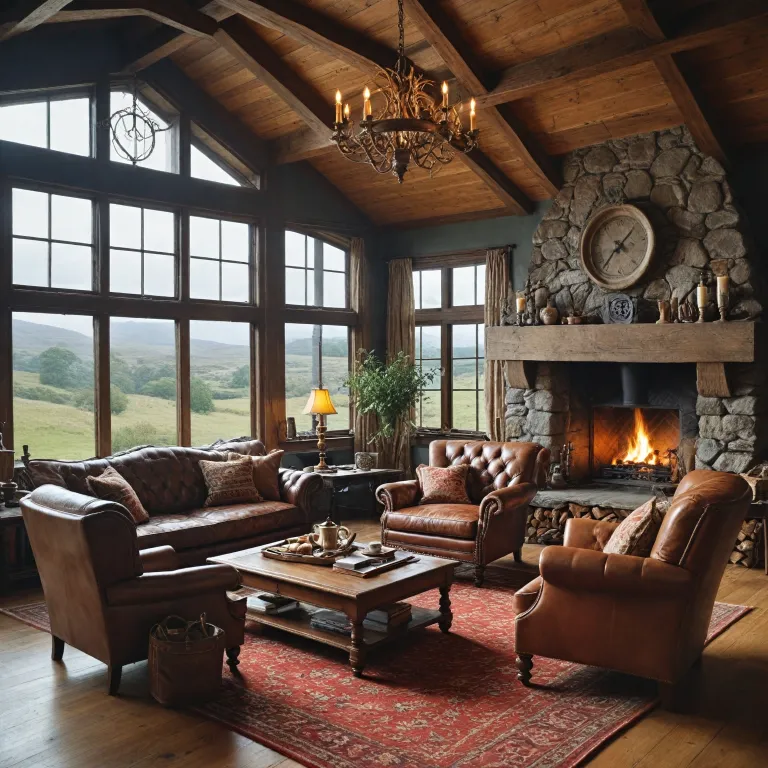
Heritage and allure of the traditional Scottish hunting lodge
A stay in a Scottish hunting lodge connects modern travellers with aristocratic traditions. These retreats in the Scottish highlands once hosted noble families for seasonal hunting, and they still carry the quiet authority of that heritage. Many guests now book stay experiences in a restored lodge located on former estates that once stretched for tens of thousands of acres.
Historic figures shaped this landscape of hunting and hospitality in scotland. John Erskine, Earl of Mar, constructed Braemar castle in the seventeenth century as a hunting lodge, while Charles Murray, 7th Earl of Dunmore, later commissioned Ardvourlie castle for similar pursuits. Queen Victoria added Glas all t Shiel as a personal retreat, and her passion for the highland country helped elevate scottish hunting culture across Europe.
These properties were built with traditional stone masonry and timber, and their interior design often blends baronial features with later Victorian hunting details. A typical house might pair antler chandeliers with deep leather armchairs, while tartan textiles soften the more austere lines of the architecture. This style now appeals to travellers who value both authenticity and comfort in a scottish hunting lodge.
Many former scottish castles and lodges are now open as luxury hotels or private rentals. Guests can read about each property’s role in scotland history before they arrive, then walk the same highland paths once used by royal hunting parties. When you book stay options through a specialist castle platform, you benefit from curated collections that highlight conservation, heritage, and discreet service.
Architecture, interior design, and the scandi scot aesthetic
The architecture of a traditional lodge scottish estate reflects both practicality and prestige. Builders used local stone to withstand the harsh highland climate, while turrets and crow stepped gables signalled status from afar. Inside, the layout of a hunting lodge prioritised large gathering rooms, generous fireplaces, and easy access to the surrounding country for stalking and fishing.
Today, interior design in a luxury scottish hunting lodge balances period character with contemporary comfort. Original timber panelling and stone hearths often sit beside soft lighting, curated art, and modern textiles. Many owners embrace a scandi scot style, combining clean Nordic lines with warm Scottish materials to create calm, understated spaces for guests.
Kinloch lodge, renovated by Danish businessman Anders Holch Povlsen, is a leading example of this approach. Here, the kinloch river and surrounding highlands scotland landscape shape the mood of every room, while the interior design uses muted colours and natural textures. This scandi scot blend respects the building’s Victorian hunting origins yet feels entirely relevant for today’s luxury traveller.
Elsewhere in the scottish highlands, you will find properties in county sutherland and the wider northern county region that follow similar principles. A restored cottage scottish retreat might feature limewashed walls, wool throws, and carefully chosen antiques that echo scotland history. When you read property descriptions on a premium castle booking website, look for details about materials, craftsmanship, and how the house design frames views of the surrounding highland scenery.
Iconic locations from kinloch to glencoe and ben loyal
Location remains central to the appeal of any scottish hunting lodge. Many of the finest estates sit within or near a national park, where protected landscapes ensure unspoilt views and rich wildlife. Guests who book stay experiences in these areas enjoy direct access to heather moorland, ancient woodland, and clear rivers ideal for fishing.
Kinloch lodge on the shores of the kinloch river offers a tranquil base for exploring the wider scottish highlands. The surrounding highlands scotland scenery includes sweeping glens, sheltered sea lochs, and distant peaks that change colour with the light. This lodge located on a historic estate illustrates how heritage properties can support low impact tourism while preserving traditional land management.
Further north, county sutherland and the neighbouring northern county region are home to some of the most dramatic scottish castles and lodges. Near ben loyal, often called the queen of scottish mountains, guests can stay in a lodge scottish retreat that feels wonderfully remote yet still offers refined comforts. These houses often began life as victorian hunting bases, and their history is still visible in gun rooms, drying spaces, and old fishing records.
To the south west, glencoe provides a powerful backdrop for any scottish hunting experience. Here, steep cliffs and deep valleys create a cinematic setting for walking, photography, and reflective time indoors. When comparing properties on a luxury castle booking site, read carefully to understand whether a house sits close to a village, deep in the country, or within easy reach of a national park trailhead.
From aristocratic hunting to modern country pursuits
The original purpose of a scottish hunting lodge was clear. Aristocratic families travelled north each season to pursue deer stalking, grouse shooting, and fishing, using the lodge as a comfortable base. Estate records show that some properties managed more than twenty thousand acres of highland country for these activities.
While traditional scottish hunting still exists in places, today’s guests often seek a broader mix of experiences. Many lodges now offer guided walks, wildlife watching, and gentle fishing on estate rivers such as the kinloch river, alongside more formal field sports. This shift allows properties to welcome a wider family audience, including guests who prefer photography, reading by the fire, or afternoon tea in a panelled drawing room.
Some estates in scotland killiehuntly and county sutherland have reoriented their operations around conservation and slow travel. A lodge located near a national park might promote rewilding projects, native woodland restoration, or low impact grazing. Guests can read about these initiatives before they book stay options, then see the results first hand during their stay.
Heritage remains central, however, and many properties still highlight their victorian hunting stories. In some scottish castles, you will find framed photographs of early guests in tweed, alongside maps of the wider highlands scotland region. For travellers planning intimate celebrations, this blend of history and privacy pairs well with venues such as castle estates or characterful houses; for more ideas, explore this guide to finding the perfect wedding Airbnb for your intimate celebration: how to find the perfect wedding Airbnb for your intimate celebration.
How to book stay experiences in a luxury castle lodge
Choosing the right scottish hunting lodge begins with clarifying your priorities. Decide whether you prefer a grand castle with formal interiors, or a smaller lodge scottish house with a relaxed cottage scottish feel. Consider how many guests will travel with you, whether you need family friendly bedrooms, and how important proximity to a national park or coastline might be.
Next, read property descriptions carefully on specialist castle booking platforms. Look for clear information about the interior design, including bedroom layouts, bathrooms, and shared spaces for afternoon tea or evening drinks. A trustworthy listing will also explain the history of the house, outline any remaining victorian hunting features, and describe how the estate manages activities such as fishing or guided walks.
Location details matter, especially in remote parts of the scottish highlands and county sutherland. Check driving times from major airports, road conditions in winter, and whether the lodge located on the estate has staff on site. Guests who value privacy may prefer a fully private rental, while others might appreciate a staffed scottish hunting lodge with daily housekeeping and optional catering.
Finally, pay attention to sustainability and conservation credentials when you book stay options. Many properties in the highlands scotland region now highlight energy efficient upgrades, habitat restoration, and partnerships with local communities. As one heritage expert notes, "Scottish hunting lodges were primarily built in the 19th century as retreats for aristocratic hunting parties, showcasing traditional architecture and serving as symbols of status."
Elevating your stay with refined experiences and local culture
A luxury stay in a scottish hunting lodge is as much about atmosphere as amenities. After a day exploring the highland country, guests often gather beside a stone fireplace for reading, conversation, or quiet reflection. Thoughtful hosts will arrange afternoon tea with local baking, followed by a simple supper that highlights seasonal produce from scotland.
Many lodges near the scottish highlands coastline or along rivers such as the kinloch river offer tailored fishing experiences. Estate ghillies can guide beginners and experts alike, sharing insights into river ecology and long standing scottish hunting traditions. In some northern county properties, you may also find opportunities for foraging walks, whisky tastings, or visits to nearby scottish castles.
Families often appreciate the flexibility of a private house or cottage scottish wing within a larger estate. Children can explore the grounds, learn about scotland history through stories of victorian hunting parties, and enjoy simple pleasures such as picnics or board games indoors. In regions like glencoe or near ben loyal, the dramatic landscape itself becomes a natural playground for all ages.
To deepen your connection with place, seek out lodges in county sutherland or scotland killiehuntly that collaborate with local artisans and guides. You might read about weaving studios, small distilleries, or wildlife charities in the guest information folder. When you leave a scottish hunting lodge that has balanced heritage, comfort, and community engagement, you carry home a richer understanding of the highlands scotland and its enduring culture.
Key figures about Scottish hunting lodges and estates
- Historical records indicate that around 50 dedicated hunting lodges were built during the main period of aristocratic expansion.
- Estate documents show that the average size of land attached to a traditional hunting lodge reached approximately 20 000 acres.
Questions travellers often ask about Scottish hunting lodges
What is the history of Scottish hunting lodges?
Scottish hunting lodges emerged as seasonal retreats for aristocratic families who travelled north for stalking, shooting, and fishing. Built mainly during the Victorian era, they combined traditional stone architecture with comfortable interiors suited to extended country stays. Over time, many evolved from private residences into hospitality venues that now welcome guests interested in heritage and landscape.
Are Scottish hunting lodges open to the public?
Many former hunting lodges across the scottish highlands and wider scotland are now accessible to the public. Some operate as luxury hotels within historic scottish castles, while others function as self catered houses or curated museums. Accessibility, opening times, and services vary, so travellers should always check current information before planning a visit or confirming a booking.
What activities can visitors engage in at these lodges?
Visitors to a scottish hunting lodge can enjoy a wide range of activities beyond traditional field sports. Popular options include guided estate walks, wildlife watching, gentle fishing, and cultural excursions to nearby villages or historic sites. Many properties also offer indoor comforts such as afternoon tea, library spaces for reading, and cosy lounges that encourage unhurried time with family or friends.