Why castle hotel sustainability standards now define modern luxury
Luxury travelers no longer ask whether a castle hotel cares about sustainability. They assume strong hotel sustainability standards exist, then judge how convincingly environmental commitments shape the stay. For executives blending business and leisure, sustainable hospitality has shifted from optional extra to baseline filter.
This is where castle hotel sustainability standards become a stress test, because heritage buildings resist easy upgrades yet face rising sustainable tourism expectations from guests, investors, and regulators. Sustainability in hospitality has moved from a differentiator to a baseline expectation in 2026 — guests, investors, regulators, and booking platforms all scrutinise environmental credentials. That pressure forces serious hotels to treat sustainable development as core business strategy, not a marketing program.
Historic estates that thrive treat sustainable practices as an extension of their original purpose, which was always long term stewardship of land, water, and local communities. A well run castle hotel now uses energy efficiency, water conservation, and waste management as quietly as it polishes silver in the dining room. When you evaluate hotels, the question is not whether they mention eco friendly values, but how deeply those values shape daily management decisions and guest experiences.
Two global frameworks help you read between the lines of glossy brochures and real environmental impact. The Global Sustainable Tourism Council sets the GSTC Hotel Standard, which is a set of criteria for sustainable hotel practices. Green Key certification, already held by thousands of hotels worldwide, translates those criteria into practical programs that reduce energy consumption, water usage, and waste while protecting cultural heritage.
For castle hotels, these standards touch everything from where solar panels sit on slate roofs to how food waste leaves the kitchen. A credible property will show how its sustainability programs reduce energy water use without compromising comfort in suites or meeting rooms. When you see clear reporting on waste reduction, renewable energy, and local sourcing, you are looking at a castle hotel that understands sustainable tourism as both responsibility and competitive edge.
From estate tradition to sustainable hospitality playbook
The most convincing castle hotel sustainability standards do not feel imported from a corporate office. They grow from the estate’s own history of managing land, springs, forests, and local labour over centuries. When that heritage mindset meets modern environmental science, sustainable hospitality stops being a slogan and becomes a lived culture.
Ashford Castle in Ireland is a benchmark, because its estate to table sourcing, on site food production, biodiversity programs, and rigorous food waste tracking show how a historic hotel can reduce environmental impact while elevating gastronomy. Here, sustainable practices are not a side project but a continuation of traditional estate management, now expressed through organic gardens, careful water usage, and low energy consumption kitchens. Guests feel the difference when breakfast eggs come from the grounds, when menus explain waste reduction initiatives, and when staff can discuss local conservation partnerships with ease.
Across Europe, similar hotels are using renewable energy and water conservation as quiet signatures of quality. Some channel nearby springs into closed loop irrigation systems for gardens, reducing potable water usage without sacrificing lush lawns or rose walks. Others invest in solar arrays placed on outbuildings rather than main roofs, balancing energy efficiency with visual integrity, and then reinvest savings into long term restoration of stonework and interiors.
Certification helps you separate serious efforts from surface level green gestures. Green Key, for example, requires documented waste management systems, measurable energy water savings, and staff training programs before awarding its label to any hotel. When you see a castle hotel with Green Key status, you can expect structured environmental management rather than ad hoc initiatives, and you can reasonably assume that sustainable practices will touch your room, the restaurant, and the spa.
For travelers planning a nature focused break, it is worth comparing these castle standards with other high end stays that foreground ecology, such as the best luxury lodges for a rainforest escape in Queensland described on this dedicated guide. You will notice that both types of properties treat sustainable tourism as a design principle, not a constraint, using eco friendly materials, precise energy management, and thoughtful waste reduction to create richer, not poorer, guest experiences.
Design tension: solar panels, stone walls, and regulatory pressure
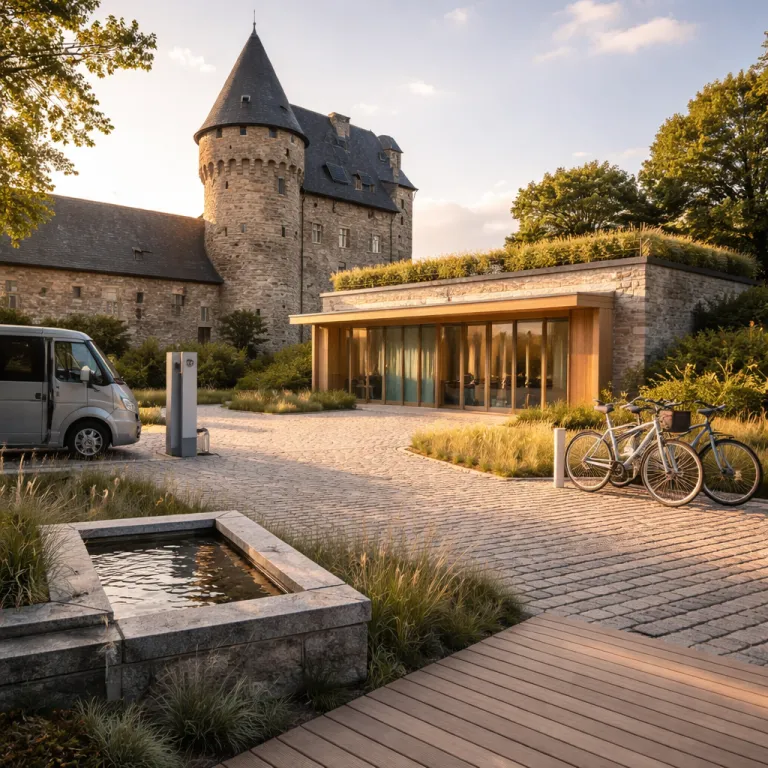
Every serious castle hotel grapples with the same design tension. How do you meet demanding castle hotel sustainability standards while preserving the visual drama that guests expect from turrets, courtyards, and great halls ? The answer lies in meticulous planning, not in avoiding environmental upgrades.
Hever Castle in England illustrates the challenge and the opportunity, because its solar panels generate 43,200 kilowatt hours per year while barely intruding on the Tudor silhouette. Placing solar on ancillary roofs rather than the main façade allows the hotel to harness renewable energy and reduce energy consumption without undermining heritage value. For guests, the knowledge that their suite lighting and hot water may be powered by solar adds a quiet layer of meaning to an otherwise traditional stay.
Regulation is sharpening this tension, especially in historic centres where new hotels face strict controls. Copenhagen’s decision to ban new hotels in its historic centre, explored in depth in an analysis of what it means for heritage hospitality, signals a future where existing castle hotels must work harder with what they already have. That means smarter energy efficiency retrofits, discreet water conservation technologies, and waste management systems that sit behind the scenes yet meet ambitious environmental targets.
Spain’s Sustainable Tourism Strategy, which offers tax credits to hotels that meet green building standards, shows how policy can turn sustainability into a compelling business case. When a castle hotel can offset the cost of LED lighting, smart energy systems, and advanced water management through fiscal incentives, the payback period shortens and long term profitability improves. Guests benefit from more comfortable rooms, better air quality, and reliable hot water, while owners benefit from lower energy water bills and stronger asset values.
For you as a traveler, this means that asking about environmental programs is not just an ethical gesture. It is a way to gauge whether the hotel’s management understands the direction of sustainable tourism and is investing for the long term rather than chasing short term marketing wins. Properties that speak fluently about energy efficiency, waste reduction, and sustainable development usually run better operations overall, from housekeeping standards to meeting room logistics.
How to read a castle hotel’s sustainability story when you book
When you scroll through a booking page, the language around sustainability can feel vague. To cut through the noise, focus on how clearly a castle hotel explains its environmental impact, its concrete sustainable practices, and its relationship with the local community. Precision is your best indicator of seriousness.
Start with certifications and frameworks, because they anchor claims in external standards. The Global Sustainable Tourism Council and Green Key both require hotels to show evidence of energy efficiency measures, structured waste management, and water conservation before granting recognition. If a property references these bodies, look for details on how many programs are active, how they reduce water usage, and how they track energy consumption over time.
Next, examine how the hotel talks about local sourcing and tourism. A credible castle hotel will highlight partnerships with nearby farmers, artisans, and conservation organisations, showing how its business supports sustainable tourism rather than extractive visitor flows. Menus that address food waste, spa brochures that mention environmentally friendly products, and activity guides that respect local customs all signal thoughtful management.
Then, consider how the estate handles infrastructure, from springs and wells to heating systems and laundry. Strong castle hotel sustainability standards usually mean low flow fixtures, careful monitoring of water usage, and investment in renewable energy where feasible, whether through solar, biomass, or regional green grids. These choices reduce strain on local water resources and cut emissions, while often improving comfort through better temperature control and quieter equipment.
Finally, look at how the story feels across the whole trip, from pre arrival emails to check out. Do communications invite you to join eco friendly programs, such as linen reuse or low impact activities, without guilt or pressure ? Does the hotel explain how your choices help reduce waste and energy water use in a way that respects your time and privacy ? Properties that strike this balance tend to deliver the most rewarding stays, whether you are in a Loire château, a Scottish fortress, or a walled palace near an exceptional city escape featured in a curated guide to where to stay in Cartagena.
Key figures shaping castle hotel sustainability standards
- More than 500 hotels worldwide now follow the Global Sustainable Tourism Council Hotel Standard, giving castle hotels a clear benchmark for sustainable practices and environmental management (Global Sustainable Tourism Council data).
- Over 3,000 hotels hold Green Key certification globally, signalling structured programs for energy efficiency, water conservation, and waste reduction that castle properties can adopt without reinventing the wheel (Green Key data).
- Hever Castle’s solar installation generates 43,200 kilowatt hours of renewable energy per year, enough to cover a significant share of guest room electricity while reducing long term energy consumption and emissions (property reported figure).
- Estate to table models, such as those at Ashford Castle, can cut food miles dramatically and reduce food waste by aligning menus with on site production, which strengthens local business ecosystems and lowers environmental impact (operator case studies).
References
- Global Sustainable Tourism Council (GSTC)
- Green Key Global
- National and regional tourism and heritage agencies in Europe