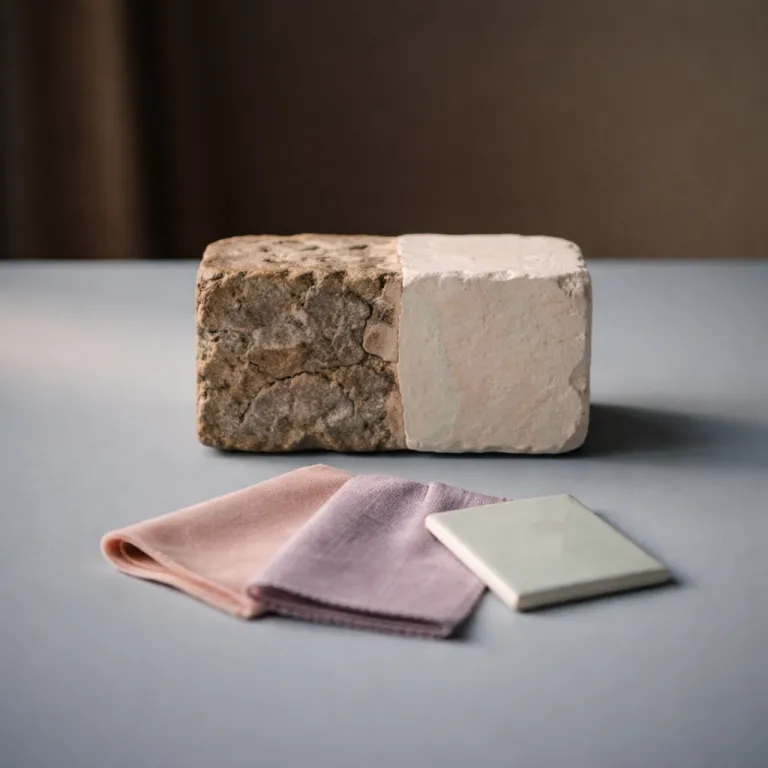
How Castle Restoration Shapes Your Stay in a Historic Hotel
Reading the stones: what castle restoration really changes for your stay
Every castle restoration and hotel conversion begins with a choice about truth. Conservation architects, construction teams and hospitality managers must decide how much of the original castle fabric survives, and how much becomes a carefully staged setting for future guests. Your stay will feel very different in a castle hotel where uneven floors and thick stone walls remain than in properties where a modern structure hides behind a medieval silhouette.
Across Europe and beyond, several hundred restored castles now operate as hotels, each interpreting restoration and renovation in its own way. A 2019 survey by the European Historic Houses Association, summarised in its annual report on heritage houses in commercial use, noted hundreds of fortified residences in hospitality, from Spanish paradores to French châteaux, and the number continues to grow. Some castle hotel projects keep the medieval proportions intact, accepting smaller rooms and quirky circulation so that the guest experience stays rooted in history rather than in generic luxury. Others pursue a more transformative conversion, with large modern rooms carved into former great halls, where the space feels generous but the sense of time can blur.
For travelers searching the best options on a premium booking website, the language around restoration and renovation matters as much as the photographs. Look for clear explanations of how the work was phased over time, and how the team balanced heritage with comfort in both rooms and shared space. When hotels are honest about which parts of the castle are original and which are reconstructed, guests enjoy a more informed stay and can choose whether they prefer raw authenticity or a smoother, more contemporary experience. One frequent castle guest described choosing a property precisely because the listing admitted that only one wing dated from the fifteenth century; that candour made the stay feel more trustworthy and the compromises easier to accept.
The spectrum from minimal intervention to full reconstruction
Not every castle hotel refurbishment follows the same philosophy, and that spectrum shapes everything from your shower pressure to your sense of place. At one end, minimal intervention keeps original stone walls, narrow staircases and varied ceiling heights, so each room feels idiosyncratic and every corridor reminds guests that this was never designed as a hotel. At the other end, extensive renovation inserts a modern hotel within the castle shell, with lifts, wide corridors and standardized rooms that prioritise accessibility and efficiency.
Policy decisions can push owners toward one end of this spectrum or the other. In cities where new hotels face restrictions in historic centres, as explored in this analysis of heritage hospitality constraints in Copenhagen, adaptive reuse of a medieval castle or chateau becomes the only viable route for new rooms. That pressure can encourage sensitive restoration, but it can also tempt investors to overbuild within fragile structures, so guests should read carefully how each castle hotel describes its work.
When you compare hotels on a booking platform, pay attention to how they talk about their restoration architects and construction teams, not just their spa or restaurant. A property that explains its planning, construction and completion timeline usually signals respect for both history and future guests. If the hotel restaurant, restaurant bar and meetings events spaces sit in newly built wings while the original keep holds only a few rooms, you will know that your stay feels more like a modern resort with a castle backdrop than a night inside a true medieval castle. One reviewer of a converted fortress in central Europe noted that the most atmospheric spaces were actually the small library and chapel in the old tower, while the bulk of the bedrooms felt like any contemporary city hotel.
Case studies: from Galgorm Castle to Castle Hotel Windsor
Two high profile projects show how different a castle restoration and hotel conversion can be, even with similar budgets and ambitions. At Galgorm Castle in Northern Ireland, a major investment of around £14 million over the early 2020s turned a non hotel estate into a culture led hospitality destination, with a focus on landscape, local partnerships and careful restoration of the original house. This in depth look at Galgorm Castle’s restoration reveals how a dedicated équipe worked with local governments, historical societies and private investors to blend heritage with modern comfort, and local press reports and planning documents confirm the scale of the capital programme.
Castle Hotel Windsor, by contrast, represents a different chapter in the story of castle hotels. Here, the renovation refreshed an existing hotel within tight heritage constraints, updating rooms, restaurant space and meetings events facilities while preserving the building’s listed façades and key interiors. Public records from the Royal Borough of Windsor and Maidenhead show phased refurbishments across the 2010s, with works coordinated alongside local planning guidance and conservation officers. For guests, the result is a stay that feels more like a refined city hotel collection property with royal views than a remote medieval castle retreat, yet the work still respects the surrounding castle and its ceremonial role.
Both projects underline a central truth for travelers comparing hotels online. The same level of investment in restoration and renovation can produce either a deeply atmospheric castle stay or a polished urban hotel with historic references, depending on how the team interprets the brief. When you read about a castle restoration project, look for whether the owners emphasise stone walls, original window proportions and coaching inn style public rooms, or whether they focus on spa suites, a british brasserie and flexible restaurant space; that emphasis will tell you what kind of guest experience you will actually buy.
How to spot authentic restoration when you arrive
Once you step through the gatehouse, the details of a castle hotel conversion quickly reveal themselves. Start with the approach route and lobby; if the entrance passes through a medieval castle courtyard with visible wear on the stone, you are likely in a building where time has been allowed to speak. If instead you enter through a glass atrium attached to the castle, your stay will lean toward modern hotel convenience with heritage as a backdrop.
Inside your room, authenticity often shows in the proportions rather than the décor. Slightly uneven floors, deep window seats set into thick stone walls and ceiling heights that change from room to room suggest that restoration architects worked around the original structure rather than imposing a standard hotel grid. In contrast, if every room in the castle hotel feels identical, with perfectly aligned corridors and no level changes, you are probably in a modern hotel structure wrapped in a historic shell.
Public spaces tell their own story about the restoration and renovation choices. A restaurant bar carved out of a former great hall, where guests enjoy views of arrow slits and timber beams, will feel very different from a british brasserie in a new wing that simply references the castle in its artwork. When the hotel restaurant, lounges and meetings events rooms occupy spaces that once served as stables, an inn group style coaching inn or service quarters, the guest experience becomes layered, and every walk to dinner reminds you that this was once a working estate rather than a purpose built hotel. These on site clues complement the booking stage research, helping you confirm whether the promises made online match the reality of the restoration.
Design philosophies: letting the castle speak versus imposing a vision
Behind every castle restoration hotel conversion sits a design philosophy that you can read in the finished spaces. Some owners invite star designers to reimagine the castle, as in the Piet Boon approach to a fourteenth century Dutch castle for a major international brand, where sleek modern lines contrast deliberately with ancient masonry. Other hotels take a quieter path, allowing local craftspeople and a small équipe of restoration architects to guide the work, so that the stay feels like an evolution of the original castle rather than a reinvention.
This tension between statement design and deference to history runs through many castle hotels, from a chateau in the Loire to a castle brecon property in Wales. In a brecon hotel that has grown from a coaching inn into a full castle hotel, you may find that the most atmospheric rooms sit in the oldest wings, while newer additions house spa facilities and larger suites. Guests searching best options should read floor plans and room descriptions carefully, because the most memorable guest experience often comes from the slightly awkward room with thick stone walls rather than the flawless modern suite.
Traditional restoration methods using locally sourced materials and time honoured techniques usually cost more, but they deliver authenticity that guests can feel in the walls. As one heritage guide from Historic England puts it, “What is castle restoration? The process of repairing and preserving castles.” and “Why restore castles? To preserve history and attract visitors.” and “How long does restoration take? Varies; typically several years.” When a hotel explains that its renovation took years of structural analysis, historical research and collaboration with local partners, you can expect a stay that feels grounded in place, whether you are in a remote Scottish hunting lodge like those featured in this refined Highland escape or in a castle hotel overlooking a busy town square.
What this means for your booking decisions
Understanding the logic behind a castle restoration hotel conversion helps you choose the right property for your trip. If you want a stay that feels like time travel, prioritise hotels that highlight original stone walls, irregular rooms and a guest experience built around the medieval castle fabric rather than around a spa. If you prefer seamless comfort, lifts and generous restaurant space, look for a castle hotel where the renovation clearly introduced modern infrastructure behind the scenes.
Location and context also matter, whether you are considering a chateau in wine country or a castle brecon property in the Welsh hills. A brecon hotel that grew from an inn group style coaching inn may offer a lively restaurant bar and strong links to local walking routes, while a more isolated castle will trade on silence and views. In both cases, the way the team describes its restoration and renovation work will tell you whether your stay will centre on heritage immersion, outdoor activity or social energy.
Finally, pay attention to how hotels talk about their staff and community ties. A castle hotel that foregrounds its local équipe, its work with historical societies and its role in revitalising a rural area usually treats restoration as more than a marketing tool. When guests enjoy rooms that respect the building’s past, dine in a hotel restaurant that sources locally and attend meetings events in spaces that once hosted royal courts or agricultural fairs, the castle restoration hotel conversion becomes part of a living landscape rather than a static stage set.
FAQ
How long does a typical castle restoration hotel conversion take?
The duration of a castle restoration hotel conversion varies widely, but multi year timelines are common. Owners must move from historical research and structural analysis through planning, construction and final completion, often coordinating with local governments and heritage bodies. For guests, a longer programme usually signals more careful work and a better balance between authenticity and comfort.
What should I look for to judge restoration quality when booking?
Start by reading how the hotel describes its restoration architects, construction teams and partnerships with historical societies. Look for mentions of original stone walls, preserved window proportions and adaptive reuse of existing rooms rather than extensive new build wings. Clear explanations of what is original, what is reconstructed and how modern services were integrated usually indicate a thoughtful castle restoration hotel conversion.
Are castle hotels less comfortable than modern hotels?
Comfort levels depend on where a property sits on the spectrum between minimal intervention and full reconstruction. Some castle hotels embrace uneven floors, smaller rooms and quirky layouts, trading a little convenience for a powerful sense of time and place. Others insert modern infrastructure behind historic façades, delivering comfort comparable to contemporary hotels while still offering a heritage setting.
How does staying in a restored castle support local communities?
Many castle restoration hotel conversion projects rely on local craftspeople, suppliers and staff, creating long term employment and preserving traditional skills. Revenue from guests can help maintain the building, fund cultural programming and attract wider tourism to rural regions. When you choose a castle hotel that works closely with its community, your stay contributes directly to the preservation of both heritage and livelihoods.
Is a castle stay suitable for meetings and events?
Restored castles increasingly offer dedicated meetings events facilities, from converted stables to modern pavilions discreetly attached to historic cores. These spaces can host corporate retreats, weddings and private celebrations while the main castle provides atmospheric rooms and public areas. When evaluating options, check whether the event spaces respect the original architecture or rely on generic conference design, as this will shape the overall guest experience.