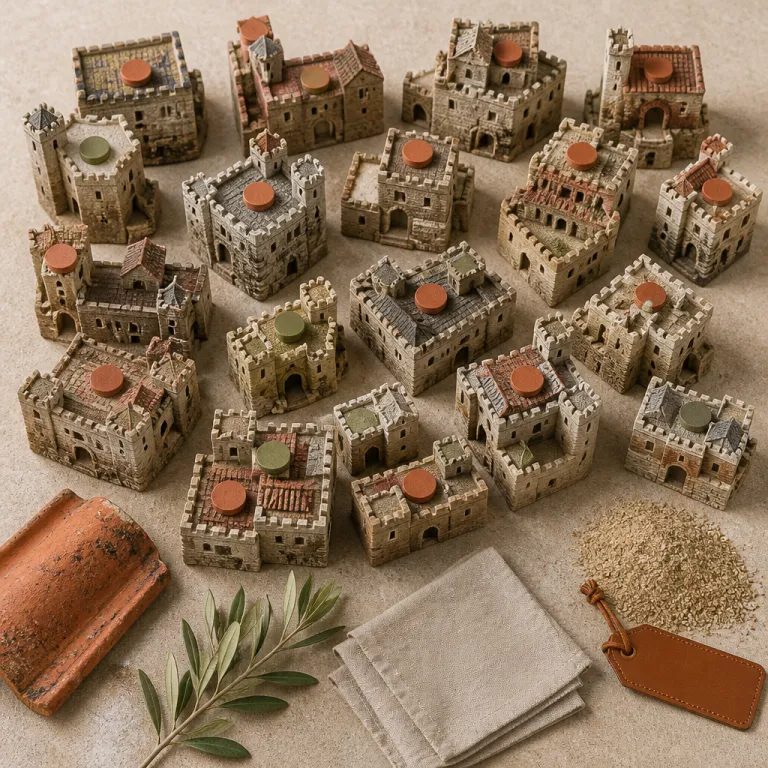
Peak summer reality at European castle hotels
Peak summer turns many European castle hotels into small, self-contained villages. From early July to late August, average occupancy at heritage properties across Europe sits at roughly eighty five percent in July and just over eighty six percent in August, according to recent STR-style benchmarking for independent historic hotels (internal analysis of 2022–2023 sample data). That level of demand means corridors, courtyards and castle grounds feel noticeably busier. If you are planning a high summer stay at a castle hotel in Europe, assume you will be sharing every grand staircase and every flagged terrace with more guests than the glossy photos suggest.
The capacity crunch shows most clearly in communal spaces and dining rooms. A twenty room castle that feels serene in May can host three simultaneous weddings in August, so the same historical hall suddenly becomes a backdrop for speeches, photographers and floral arches while resident guests wait longer for dinner or a quiet drink. Before you confirm any booking, ask the hotel directly how many events they schedule per day, then check whether residents keep access to key rooms such as the library, the chapel or the main salon throughout their stay.
Rates follow this pressure, especially at the best castle addresses in France, Scotland and Italy. Amberley Castle in England, for example, has historically offered entry-level rooms from around one hundred and seventeen pounds per night in the off season, while peak summer pricing climbs sharply once demand surges and dynamic revenue systems react (based on publicly listed rates sampled over recent years). For any high season reservation at a European castle hotel, that means you either commit early and secure the rooms and views you want, or you accept that a last minute stay will rarely be budget friendly, even at a smaller budget castle in a quieter region.
Families feel this intensity more than most. A castle hotel that works beautifully for a couple in April may feel crowded for a family in August, when children share lounges and terraces with wedding parties and adult oriented spa facilities. When you plan castle stays in high season, ask whether the hotel offers dedicated family lounges, early dinner sittings and supervised day activities, or whether your children will be expected to adapt to a more formal, royal style environment designed primarily for couples.
Weather adds another layer to the peak summer calculation. Scottish castles in July offer long daylight for exploring castle grounds and nearby lochs, but midges can make evening drinks outside less appealing unless the hotel provides repellents and screened spaces. Mediterranean castles and châteaux, by contrast, deliver heat and bright days for every day trip, yet stone courtyards and small hotel spa pools can feel crowded once the sun is high and every guest seeks shade at the same hour.
Behind the scenes, heritage properties work hard to keep service standards steady. Many castle hotels increase staffing and lean on revenue management systems and guest feedback platforms to balance high occupancy with a sense of calm. Rising demand for unique stays and increased domestic travel mean that for any summer reservation at a European castle, the onus is on you to check not only the site photos but also recent reviews that mention how the hotel handles full capacity days. As one guest at a Loire château put it in a 2023 review, “The castle was full, but the team staggered breakfast and spa times so it never felt chaotic.”
Families, couples and the crowded castle summer
Not every castle stay feels the same once schools close and temperatures rise. For premium family travelers, the key question is whether a historical property has invested in thoughtful programming or simply expects children to fit into adult spaces designed for perfect couples on a romantic stay. When you plan a peak season castle hotel booking in Europe, the difference between those two models can define whether your holiday feels relaxed or quietly stressful.
Start with the rooms, because layout matters more than brochure language. Interconnecting rooms or family suites in a chateaux hotel are the first to sell for July and August, especially when they combine period features with modern comfort such as air conditioning, blackout curtains and soundproofing. If you need those configurations, book early and ask the hotel to confirm exact room numbers in writing, then check whether cots, extra beds and baby amenities are genuinely available or only mentioned on the site as a theoretical option.
Shared facilities come next. Some castle hotels now run structured children’s clubs, falconry demonstrations and supervised treasure hunts on the castle grounds, which frees parents to enjoy the hotel spa or a quiet lunch. Others offer only informal lawns and a small spa with limited spa facilities, so families end up competing with couples for loungers and pool time during the hottest part of the day.
Dining reveals a property’s true attitude to families. A castle that sources local ingredients and offers flexible children’s menus at civilised but early hours will feel welcoming, even when the restaurant is full and the best tables overlook a loire valley style river or a manicured parterre. By contrast, a rigid single sitting at eight thirty in a formal historical hall can be challenging for younger children, especially after a long day trip in the heat.
Couples face their own trade offs. Peak summer brings lively bars, full terraces and a social atmosphere that some guests enjoy, yet those seeking quiet royal romance may find the constant movement of wedding photographers and event planners intrusive. When you read reviews for castle hotels, look for comments about how staff manage the balance between private stays and large events, and whether there are adult only lounges or wings that remain calm even when the main courtyard hosts a reception.
Urban heritage conversions add another layer of choice. Properties such as the Grade I listed Admiralty Arch in London, now a Waldorf Astoria, show how a former government building can become a city centre hotel with historical gravitas and full service facilities. For some travelers, a night there paired with a quieter rural castle stay offers a more balanced itinerary than spending every day of a trip inside one very busy fortress.
Weather, regions and strategic alternatives to the busiest castles
Geography shapes how peak summer feels as much as occupancy numbers do. A castle hotel booking in the Scottish Highlands for July or August delivers long evenings, cooler air and the chance to walk castle grounds until almost ten at night. The trade off is the presence of midges near water, so the best castle teams provide repellent, screened gazebos and sometimes even light veils for guests who want to linger outside after day trip excursions.
Head south and the equation changes. In Italy, Spain and Portugal, historical castles and fortified palaces bask in intense heat, which makes thick stone walls and shaded courtyards an asset during the middle of the day. Yet those same courtyards can feel crowded when every guest retreats from the sun at once, especially at smaller budget castle properties where pools and terraces were never designed for modern capacity.
Strategic travelers look beyond the obvious regions. Wales, Portugal’s Alentejo and Slovenia still offer characterful castle stays where peak occupancy feels busy but not overwhelming, and where a budget friendly affordable castle can still include a serious hotel spa and thoughtful service. Government backed networks such as Spain’s Paradores system, a castle and monastery collection that remains oddly under discussed, provide another route to historical hotels with transparent pricing and consistent standards.
France’s loire valley remains a classic, yet even there you can sidestep the most saturated addresses. Instead of focusing only on the famous relais châteaux names, consider independent châteaux hotel properties on quieter stretches of river, where castle sustainable practices and local ingredients define the restaurant rather than large event banqueting. These hotels often sit close enough to major sights for an easy day trip, yet far enough from tour bus routes to keep evenings calm.
Urban castle style conversions offer a different answer to the summer crowds. A stay in a former fortress or gatehouse within a smaller city can give you historical atmosphere, reliable transport and easier access to local cafés and parks, which matters for a family that needs varied spaces across the day. For some itineraries, pairing such a city hotel with a rural castle stay creates a more balanced rhythm than spending every night in remote castles that feel cut off once the sun sets.
When you weigh these options, be honest about your priorities. If your dream is a royal style stay with quiet lawns and uncrowded spa facilities, then a shoulder season visit in April, May, September or October will usually serve you better than a peak summer castle reservation in the most famous regions. If school calendars lock you into July or August, focus on lesser known areas, ask detailed questions about event schedules and choose properties whose scale matches your tolerance for shared spaces.
How to book smart for July and August castle stays
Securing the right castle at the right moment is a planning exercise, not a gamble. Popular castle hotels across Europe routinely fill their best rooms six to twelve months ahead for peak weeks, especially when they combine serious history with modern comfort and a respected hotel spa. For any castle hotel Europe peak summer booking, the most effective strategy is to commit early to core dates, then refine the details as your plans evolve.
Start by ranking what matters most. If your priority is a specific view, such as a river bend in the loire valley or a mountain framed courtyard, ask the reservations team which exact rooms deliver that perspective and how many exist in total. Those rooms vanish first, so you should secure them before you worry about add ons like spa treatments, wine tastings or guided historical tours of nearby castles.
Next, interrogate the calendar. Ask the hotel to share a broad outline of weddings, corporate events and large group stays across your target dates, then check whether any days coincide with local festivals that might strain staff and infrastructure. A twenty room castle hosting three weddings in two days will feel very different from the same property on a quieter midweek stay, even if the official occupancy percentage remains identical.
Budget planning deserves the same rigour. Peak summer rates sit at the top of each hotel’s dynamic pricing ladder, so a budget castle that feels affordable in March may edge out of reach in August once demand surges. If you need a budget friendly option, consider shortening the stay by a day or two, or pairing a high season castle with a simpler local hotel nearby to keep the overall budget under control.
Families should lock in logistics early. Interconnecting rooms, rollaway beds and specific mealtimes are finite resources, so you should confirm them in writing at the booking stage rather than assuming they will be available on the day. Ask also about castle sustainable initiatives that affect families, such as limits on air conditioning hours or linen changes, so expectations align with the property’s environmental commitments.
Finally, remember that unique openings can shift demand patterns. Remote estates such as Kilchoan in Scotland, profiled as a notable remote luxury opening this summer by several travel editors (based on 2024 preview coverage), show how a single new property can draw attention away from more established castle hotels for a season or two. Whatever your target, use the hotel’s own site for the final booking, cross check cancellation terms carefully and keep a short list of alternatives in case your first choice changes its event schedule.
FAQ
How far in advance should I book a European castle hotel for July or August ?
For the most sought after castle hotels, you should aim to book six to twelve months in advance for peak summer weeks. Interconnecting rooms, suites with the best views and family friendly layouts sell first, so premium family travelers benefit most from early planning. If you are flexible on region and room type, you may still find options three to four months out, but choice will be limited.
Are peak summer prices at castle hotels worth paying compared with shoulder season ?
Peak summer delivers longer days, fuller programming and a lively atmosphere, which some guests value enough to justify higher rates. However, shoulder seasons in April, May, September and October often offer similar weather with lower prices, fewer crowds and more attentive service. If your schedule allows, a shoulder season stay usually offers better value than a castle hotel Europe peak summer booking in the most famous regions.
What is the average occupancy rate for heritage hotels in summer ?
According to recent hospitality benchmarking for European heritage properties (internal STR-style analysis of independent hotels), average occupancy sits at approximately 85% in July and 86.56% in August. These figures reflect the combined impact of international visitors and increased domestic travel during school holidays. High occupancy means you should expect busier communal spaces, more competition for restaurant reservations and spa slots, and less flexibility for late changes to your booking.
How can I secure a booking during peak season at a historical castle ?
The most reliable approach is to identify your preferred regions and properties early, then contact them directly to check availability and event schedules. Use the hotel’s official site to compare room categories, then follow the standard advice to “Book early and look for special offers.” Flexible dates, midweek stays and openness to lesser known castles will all improve your chances.
Are castle hotels suitable for families during peak summer, or better for couples only ?
Suitability varies widely between properties, so you should never assume. Some castles offer structured children’s activities, early dining options and spacious grounds that work well for families, while others focus on perfect couples seeking quiet, adult oriented stays. Before you commit, ask detailed questions about programming, room layouts and any restrictions on children in spa or dining areas during July and August.