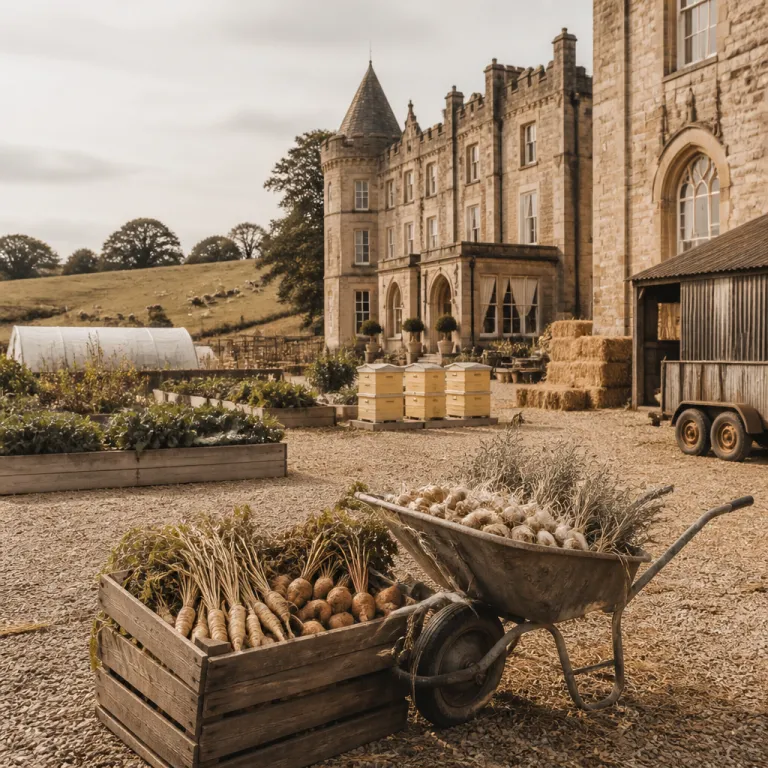
Working estate castle stays for families who want the land to lead
A working estate castle stay is not a themed weekend; it is a holiday where the agricultural calendar quietly sets the pace. You sleep in a castle built for defence or display, yet your days orbit the farm, the hill pasture, the gardens and the livestock rather than the spa timetable or cocktail hour. For families, that shift creates an experience where children learn by watching real farming unfold, while parents enjoy stone walls, good food and a sense of grounded calm.
Across Europe and beyond, only a small number of castle hotels now operate as genuine working farms, forming a niche but influential segment of agritourism. A 2023 internal review by castle-stay.com, cross-checked against publicly available entries in the European Network for Rural Development’s agritourism listings, identified just under fifty properties where farm income remains central to the business model. Places such as Killiane Castle Country House & Farm in Wexford or mixed-farming estates near Dartmoor show how a historic property can run cattle, poultry or orchards while still welcoming guests into comfortable rooms. This is the essence of a land-led castle holiday; accommodation supports the farm, not the other way around.
The distinction matters when you book, because many resorts add a token farm tour without changing how they operate. On a true castle farm, the tractor does not pause for your guided tour, and the lambing shed will be busy whether or not guests have planned a visit. One Irish estate, for example, blocks out 06:00–10:00 for milking and 16:00–18:00 for evening rounds; farm walks are only offered outside those hours so the routine stays intact. When you reserve a stay on a site like castle-stay.com, look for language about sustainable farming, wildlife corridors and growing practices, not just pretty gardens and staged activities.
Families drawn to wilderness and rewilding estates often want both adventure and reassurance. A working estate stay delivers that balance, offering safe access to fields, woods and formal gardens on a generous scale, while an expert team manages risk and routine. As one Scottish owner puts it, “Guests are welcome everywhere the sheep are happy to see them.” Children can join a short farm tour, then retreat to a walled garden or library when the weather turns, giving the day a natural rhythm that screens and tight schedules rarely match.
How to tell a real working estate from a resort with a token farm
The authenticity test for any castle or estate claiming a working farm starts with one question: does the farming timetable shape the guest experience? If haymaking, calving or harvest dictate when farm tours run and when certain fields stay closed, you are likely on a genuine castle farm rather than a landscaped resort. When operations feel open and unscripted, you sense quickly that this is a living landscape, not a backdrop.
On a real working estate, you will hear about sustainable farming and sustainable growing in specific, practical terms. The owners or the expert team might explain rotational grazing on the hill, hedgerow management for wildlife, or how a formal Italian garden now doubles as a productive kitchen garden. You may learn why some corners remain wild, how a garden pond supports amphibians, or how compost from the farm table kitchen feeds the soil.
Contrast that with properties where the only contact with farming is a petting corner and a short guided tour scheduled neatly between spa appointments. There, the farm tour exists to entertain guests, not to share growing practices or the realities of food production. If you can plan a visit at any hour and the fields always appear immaculate, you are probably seeing a stage set rather than a genuinely land-led castle holiday.
Look also at how the estate talks about food, because language reveals priorities. When menus highlight farm fork to plate cooking, seasonal vegetables from the garden and game from the hill, you are closer to a land-led model. For a deeper dive into what castle estate activities actually involve, including falconry and foraging alongside farming, read this guide to authentic castle estate experiences on castle-stay.com.
Seasonal rhythms: what families actually do on a working castle farm
Life on a working estate runs on seasons, not school holidays, and that is precisely the appeal. Spring might bring lambing in stone barns below the hill, with short, supervised farm tours that let children watch without crowding the animals. Estate teams often keep these visits brief, so guests learn respectfully while farming continues at full pace.
In summer, long evenings stretch across lawns and borders spacious enough for hide and seek, with wildlife visible at the woodland edge and swallows skimming the castle walls. Many estates open daily during peak months, offering flexible tours of the garden, the Italian garden terraces or the orchards, alongside river walks or lochside picnics. Families can reserve a room that overlooks the farm or the landscaped grounds, then plan a visit around haymaking, berry picking or beekeeping demonstrations.
Autumn on a castle farm usually means harvest suppers and a more intense focus on food. Children might help collect apples in the orchard, while parents join a guided tour of the cellars or smokehouse before sitting at a long farm table. Some estates host private events or an elegant wedding during this season, yet the working fields and the shop selling local produce remain open, keeping the experience grounded.
Winter is quieter but rarely empty, especially on Highland estates or Irish properties such as Ballynahinch Castle and Ashford Castle, which sit within active rural landscapes even though they are not full-scale commercial farms. Deer management, woodland work and livestock care continue on many estates, and guests often enjoy a more contemplative countryside stay. For families who like structured play, castle-stay.com also covers more activity-led stays such as the castle ball and immersive team games format, which pairs well with a slower farm-based trip another season.
Estate-to-table: how the land shapes your plate and your room rate
On a serious working estate, the menu is written by the soil and the weather, not by a distant concept team. Estate-to-table hospitality means the kitchen responds to what the farm, the garden and the hill can offer that week, whether that is lamb, venison, soft fruit or heritage vegetables. When you book a table in such a castle, you are effectively reserving a seat at the end of a very short supply chain.
Many families find this reassuring, because children can trace their food from field to farm table in a single afternoon. A morning farm tour might show them the polytunnels, the Italian garden beds and the orchards, while an evening menu quietly reflects those same growing practices. Some estates even host farm fork suppers, where the chef and the expert team explain sustainable growing and sustainable farming in language that is clear rather than preachy.
There is also a financial logic that benefits guests who commit early and stay longer. Agricultural income from livestock, arable fields or woodland often subsidises the cost of maintaining a historic castle built centuries ago, from roof repairs to restoring large formal gardens. That extra revenue stream can keep room rates more competitive than at a pure resort, especially when you secure your stay directly through the estate website.
When you arrange accommodation on a platform like castle-stay.com, look for clear information about how the estate balances hospitality and farming. Transparent notes about a privacy policy, open daily farm shop hours, or how local staff are trained in both guest care and land management all signal a mature operation. For another example of how premium properties manage family friendly layouts and service, see this review of refined comfort in family apartments and suites, then apply the same scrutiny to your chosen castle farm.
Planning and booking: how to choose the right working castle farm for your family
Choosing the right working estate castle stay farm experience starts with clarity about your family’s comfort levels. Some estates, such as Castello di Reschio in Umbria, lean towards design-led calm with the farm and gardens as a backdrop, while others like Killiane Castle Country House & Farm place farming at the centre of daily life. Decide whether you want animals and tractors close to your room, or slightly removed behind garden walls.
When you plan a visit, read the estate website carefully before you book, paying attention to how they describe tours, wildlife and seasonal work. Look for practical details such as whether farm tours are guided or self led, how often the garden and Italian garden are open, and whether the shop for local produce is open daily. A clear privacy policy, straightforward online booking process and honest notes about mud, noise and early morning activity are all positive signs.
Families should also think about how children will engage with the land over several days. Some estates offer short, structured tours with an expert team member, while others encourage informal wandering through extensive grounds, with only certain farming areas off limits. Ask in advance whether you can book a table at the farm table restaurant, join a guided tour of the castle, or arrange private events such as an elegant wedding or a birthday picnic on the hill.
Finally, remember that “A stay at a property combining accommodation with active farming operations.” is how one trusted definition describes a working estate stay. “Participation is typically optional.” and “Yes, they blend historical charm with contemporary comforts.” complete the picture, reassuring guests who worry about roughing it. Use those three statements as a checklist when you reserve a room, and you will quickly separate staged experiences from the rare estates where the land still leads.
FAQ
What exactly is a working estate castle stay farm experience ?
A working estate castle stay farm experience is a holiday on a historic estate where a genuine farm operates alongside guest accommodation. The castle, gardens and hill pastures are part of a living agricultural business, not just scenery for photos. Guests can observe or sometimes join farming activities, but the work continues whether visitors are present or not.
Are farm activities mandatory when staying at a castle farm ?
Farm activities are almost always optional, even on the most committed working estates. You can simply reserve a room, enjoy the gardens and food, and treat the farm as an atmospheric backdrop. Families who want more involvement can usually join a guided tour, a short farm tour or seasonal events such as lambing talks or harvest walks.
Do working estate castle hotels offer modern comforts for families ?
Most castle farms that welcome guests combine historical architecture with contemporary amenities such as heating, good bedding and reliable bathrooms. The best estates invest agricultural income back into the castle, keeping rooms comfortable while preserving original features. When you plan a visit, check room descriptions carefully and contact the expert team if you need specific family facilities.
How should families prepare before they book a working estate stay ?
Before you book, check which seasons suit your children’s interests, whether that is spring lambs, summer wildlife or autumn harvest. Pack outdoor clothing that can handle mud, rain and uneven ground, because farming does not pause for weather. It is also wise to read the privacy policy, confirm farm tour timings and book a table in advance if the estate runs a popular farm table restaurant.
What are the main benefits of choosing a working estate over a standard castle hotel ?
The main benefit is depth of experience, because the land, food and wildlife feel genuinely connected. Families gain an educational yet relaxed insight into sustainable farming and sustainable growing, while often paying slightly lower room rates thanks to agricultural income. For many guests, that combination of heritage, landscape and honest food makes a working estate castle stay farm experience more memorable than a conventional castle resort.