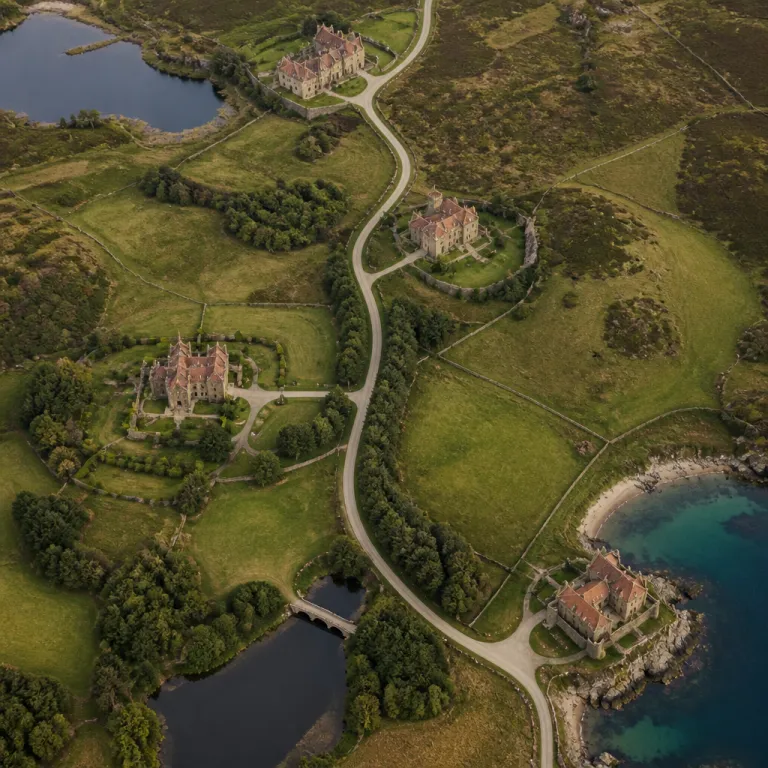
Why Scotland castle hotels beyond Edinburgh belong on your shortlist
Most travelers start with a castle stay near Edinburgh, then assume the rest of Scotland demands Highland epics and long drives. In reality, some of the most rewarding castle hotels sit in quieter regions where the history feels lived in rather than staged, and where a single night can still buy serious character without Highland price inflation. If you are planning a longer itinerary, treating these properties as a chain of two or three nights each turns a simple trip into a slow moving journey through centuries of layered history.
Think of Scotland as a series of historic corridors rather than one Edinburgh to Skye line, with the southwest coast, the Borders, Perthshire, and Aberdeenshire all offering their own castles and loch views. In these regions, a castle hotel is often still a working estate or family home first and a hotel second, which means the rooms carry the patina of use rather than a design concept. That mix of lived in comfort and serious history is what separates the most memorable castle stays from generic hotels across Scotland, and it is exactly what you find when you choose these often overlooked properties.
For a luxury and premium traveler, the question is not whether to stay in a Scottish castle, but which historic property will feel most aligned with your style of travel. Some guests want a 13th century fortress with arrow slits and a dungeon, while others prefer a 19th century baronial house with landscaped grounds and lighter rooms. The five castle hotels highlighted here sit beyond Edinburgh yet within manageable driving times, and each offers a distinct way to experience castle life without sacrificing service, comfort, or a strong sense of place.
The southwest coast: Glenapp Castle and the quiet power of Ayrshire
On the Ayrshire coast, Glenapp Castle has quietly become one of the most highly regarded castle hotels in Scotland for travelers who care as much about service as stonework. The castle sits in wooded grounds above the sea, with suites and bedrooms that frame views across the water rather than just inward toward historic details. This is where an itinerary focused on Scotland’s castle hotels beyond Edinburgh starts to feel coastal, with each evening shaped as much by the light over the loch like waters of the Firth of Clyde as by the history in the drawing room.
Glenapp operates at a level that rivals better known names such as Inverlochy Castle, yet it remains under the radar for many international guests focused on Edinburgh and the Highlands. With a relatively small number of rooms and suites, every stay feels curated, and the team will happily structure castle breaks around boat trips, garden walks, or long lunches rather than rigid schedules. When you check availability here, you are not just booking a hotel in Scotland; you are effectively reserving a private coastal estate where the Scottish castle experience is softened by sea air and serious cooking.
The property is also pushing into wellness, with The Nest suite planned as a dedicated retreat space that will sit apart from the main castle. That move signals how the most interesting castle stay options are evolving, blending historic architecture with contemporary expectations around spa time and recovery. If you are comparing hotels across Scotland for a first castle stay, Glenapp’s combination of heritage, attentive service, and coastal calm makes it a strong candidate beyond Edinburgh, especially when peak season crowds push other properties to their limits, as explored in specialist guides to castle hotels that handle busy periods without losing their soul.
The Borders: Neidpath Castle, Cringletie, and baronial calm
South of Edinburgh, the Scottish Borders offer a softer landscape of rolling hills and stone villages that feel closer to the English Cotswolds than to the Highlands. This is where Neidpath Castle stands above the River Tweed, a fortified tower that anchors the region’s story of border skirmishes and clan alliances. Staying in or near a castle like Neidpath turns a simple hotel night into a direct encounter with Scottish history, especially when you wake in a thick walled room and look out over fields that once marked a frontier.
For travelers who prefer a full service castle hotel, Cringletie House near Peebles brings a 19th century baronial aesthetic with 28 acres of grounds and a more classic country house rhythm. Here, rooms blend period details with modern comforts, and the restaurant leans into local produce in a way that suits longer stays. A two night break in this part of castle country allows you to pair a visit to Neidpath Castle with time at Barony Castle and other nearby strongholds, creating a circuit of historic properties that feels rich in stories yet light on crowds.
Practicalities matter in this region, especially for solo travelers planning their own trip without a driver. From Edinburgh, you can reach Peebles in under 1 hour by car in typical conditions, which makes a Borders castle stay an easy first step beyond the capital before heading deeper into Scotland. When you check availability at properties like Cringletie or Barony Castle, pay attention to room categories, as some bedrooms lean more historic while others feel closer to a contemporary hotel; that choice will shape how immersive your castle stay feels, particularly over multiple night bookings or when combining a bed and breakfast rate with longer visits.
Perthshire: between Edinburgh and the Highlands, with castles in both directions
Perthshire often functions as a corridor between Edinburgh and the Highlands, yet it deserves to be a destination for castle stays in its own right. The region’s estates draw architectural cues from both lowland baronial houses and Highland hunting lodges, which means a single castle stay here can echo several strands of Scottish history. For travelers mapping castle hotels beyond Edinburgh, this is the point where you can pivot north toward Inverlochy Castle or west toward loch side properties, while still enjoying manageable drives back to the central belt.
From a logistics perspective, Perthshire works well for travelers who want to balance driving time with meaningful stays. Distances from Edinburgh and Glasgow generally sit in the 80 to 110 kilometre range, which translates into drives of around 1.5 hours in normal traffic, leaving most of the day free to actually enjoy your chosen castle hotel. That rhythm allows you to book two or three night blocks in different properties without feeling as though your entire travel plan is just a sequence of car journeys between hotels across Scotland.
Perthshire also connects neatly to more remote, conservation led projects in the Highlands, such as the WildLand estates where rates can start from around GBP 1,100 per night on a full board basis according to recent published tariffs. These properties are not traditional castle hotels, but they share a similar commitment to landscape and long term stewardship, with rewilding plans that stretch over two centuries. If you are building a route that combines a classic Scottish castle stay with a more contemporary wilderness experience, consider using Perthshire as the hinge point, and study guidance on evaluating estate properties for refined gatherings to understand how meeting spaces, dining rooms, and guest rooms interact in these large historic buildings.
Aberdeenshire’s castle trail: dense history, selective hospitality
Aberdeenshire holds one of the densest concentrations of castles in Britain, yet many international travelers never push this far northeast. The region’s official castle trail links everything from ruined cliff top fortresses to lived in family homes, and a handful of these properties operate as castle hotels or exclusive use stays. For anyone serious about exploring Scotland’s castle accommodation beyond Edinburgh, Aberdeenshire is where the map starts to feel almost crowded with options, even if only a few offer full hotel services.
Not every castle on the trail will take overnight guests, but those that do often feel more personal than their Highland counterparts. You might stay in a 17th century tower house with just a few rooms, where the owner still pours your whisky in the library, or choose a larger hotel where the castle stay is structured around weddings and events. Either way, the balance of price, history, and privacy here can be compelling, especially when compared with the rates at better known names such as Inverlochy Castle or Dalhousie Castle closer to Edinburgh.
Planning a route through Aberdeenshire requires more active research, because some castle stays are not listed on major booking platforms. You will often need to check availability directly with the property, especially for smaller Scottish estates that operate on a part time or seasonal basis. For travelers who enjoy that level of engagement, the reward is a series of nights that feel genuinely embedded in local life, with rooms that frame views of farmland, woodland, or the North Sea rather than just the car park, and with a sense that your booking is helping to sustain a specific piece of castle Scotland rather than a generic hotel brand.
Edinburgh’s orbit: Dalhousie Castle, Melville Castle, and the extended city circle
While this guide focuses on Scotland castle hotels beyond Edinburgh, it is worth understanding the ring of properties that sit just outside the city, because they often anchor a wider itinerary. Dalhousie Castle, a 13th century fortress with around 29 rooms according to recent hotel information, offers one of the most overtly historic stays within easy reach of the capital, with thick stone walls and a clear sense of medieval history. Melville Castle, by contrast, is an 18th century mansion with approximately 33 rooms and a lighter, more neoclassical feel, which suits travelers who want a castle hotel experience without the full fortress aesthetic.
These properties, along with others such as Glenskirlie House & Castle and Barony Castle near Peebles, illustrate how hotels across Scotland are adapting historic buildings for modern travel. Each hotel balances the demands of weddings, conferences, and leisure stays, which means you should pay close attention to room types, event schedules, and bed and breakfast packages when you check availability. A well chosen night at Dalhousie Castle or Melville Castle can serve as a soft landing before you drive onward to more remote properties, whether that means a loch side retreat, a conservation estate, or a coastal castle stay on the Ayrshire shore.
Using this extended Edinburgh orbit strategically allows you to structure a trip that moves from more polished castle hotels to wilder, more idiosyncratic properties. You might start with two nights at a Scottish castle near the city, then head south to the Borders, west to the Ayrshire coast, or north toward Perthshire and Aberdeenshire. Along the way, consider weaving in more remote luxury openings such as Kilchoan Estate, which demonstrate how the best castle and estate stays in Scotland are evolving beyond traditional models while still respecting the underlying history and landscape.
How to choose and book your ideal castle stay in Scotland
Selecting the right castle hotel in Scotland starts with being honest about how you like to travel. If you value deep quiet and long walks more than formal service, a smaller Scottish castle or exclusive use property may suit you better than a large hotel geared toward events. Those who prefer a full service experience with on site dining, spa facilities, and multiple room categories will likely gravitate toward established castle hotels such as Dalhousie Castle, Melville Castle, or coastal estates where every night is carefully choreographed.
When comparing options, look beyond headline images of turrets and focus on the details that will shape your stay. Check availability across several dates, because castle hotels often book out for weddings, and a flexible plan can unlock better rooms or more favorable bed and breakfast packages. Pay attention to driving times from Edinburgh and Glasgow, rail access where available, and how each castle stay fits into a logical route that might include the Borders, Perthshire, Aberdeenshire, and the southwest coast rather than a simple there and back journey.
Finally, remember that the most rewarding castle stays are not always the most expensive or the most photographed. A modest room in a 16th century tower with strong views and a thoughtful host can feel more memorable than a suite in a busier hotel where the history is diluted by constant events. As you refine your shortlist of Scotland castle hotels beyond Edinburgh, prioritize properties where the owners or managers speak clearly about the building’s history, the surrounding landscape, and their long term plans for conservation; that level of care is often the most reliable indicator that your castle stay will feel both authentic and quietly luxurious.
Key figures for Scotland castle hotels beyond Edinburgh
- Dalhousie Castle operates with roughly 29 rooms in a 13th century fortress near Edinburgh, which allows for a relatively intimate castle hotel experience compared with larger city properties; always confirm current room numbers on the hotel’s own fact sheet or booking engine, as configurations can change.
- Melville Castle offers about 33 rooms in an 18th century mansion just outside Edinburgh, giving travelers a substantial choice of room types while still maintaining a country estate feel; check the latest accommodation details on the property’s official materials before you book.
- Barony Castle near Peebles runs around 78 rooms in a 16th century manor, making it one of the larger castle style hotels in the Borders region and well suited to events and group stays; verify the exact inventory on the hotel’s website or current brochure.
- Cringletie House sits within approximately 28 acres of grounds in the Scottish Borders, providing ample space for walks and outdoor activities alongside its role as a historic country house hotel; prospective guests should consult the estate map or hotel information for the most up to date acreage.
- WildLand’s conservation led Highland properties can start from around GBP 1,100 per night on a full board basis according to recent rate guidance, reflecting the premium attached to remote locations and long term rewilding commitments; always review the latest published tariffs or contact the reservations team for current pricing.
Frequently asked questions about castle stays in Scotland
Are Scotland’s castle hotels open all year round?
Many castle hotels in Scotland operate year round, but some smaller properties close for part of the winter or for maintenance periods. The most reliable approach is to check availability directly on each hotel’s website or contact the property by email. This is especially important for remote castles and exclusive use stays, where opening dates can vary from one season to the next.
Do Scottish castle hotels offer wedding and event packages?
Most established castle hotels provide dedicated wedding and event packages, often including exclusive use of the castle, catering, and accommodation. Properties such as Dalhousie Castle, Melville Castle, and Barony Castle are well known for hosting weddings alongside leisure stays. If you are planning a trip that coincides with peak wedding season, always ask the hotel whether any large events are scheduled during your preferred dates.
Can I bring pets to a castle hotel in Scotland?
Pet policies vary widely between castle hotels, with some properties welcoming dogs in specific rooms and others maintaining a no pets rule to protect historic interiors. Before you book, check the hotel’s pet policy on its website or contact the team directly to confirm what is allowed. This is particularly important if you plan multiple castle stays, as you may need to coordinate pet friendly rooms across several hotels.
Is Wi-Fi and modern connectivity standard in historic castles?
Most castle hotels in Scotland now offer complimentary Wi-Fi in guest rooms and public areas, although signal strength can vary in very thick walled sections of older buildings. Larger properties often supplement this with upgraded networks in meeting rooms and lounges. If reliable connectivity is essential for work, mention this when you check availability so the hotel can recommend the most suitable room.
How far in advance should I book a castle stay beyond Edinburgh?
For peak season travel, it is wise to book castle stays at least several months in advance, especially for smaller properties with limited rooms. Weekends, public holidays, and popular wedding dates can sell out quickly at hotels near Edinburgh and in high demand regions such as the Highlands. Flexible travelers visiting in shoulder seasons may find more last minute availability, but even then, early planning gives you a better choice of rooms and rates.
References
- VisitScotland – official tourism information on Scottish regions and heritage accommodation; consult regional pages for current travel times, public transport options, and featured castle stays.
- Historic Environment Scotland – background on castles, listed buildings, and conservation policies, including entries for many of the fortresses and tower houses mentioned in this guide.
- Relais & Châteaux – property details and standards for member hotels such as Glenapp Castle, including current room categories, dining information, and seasonal opening dates.