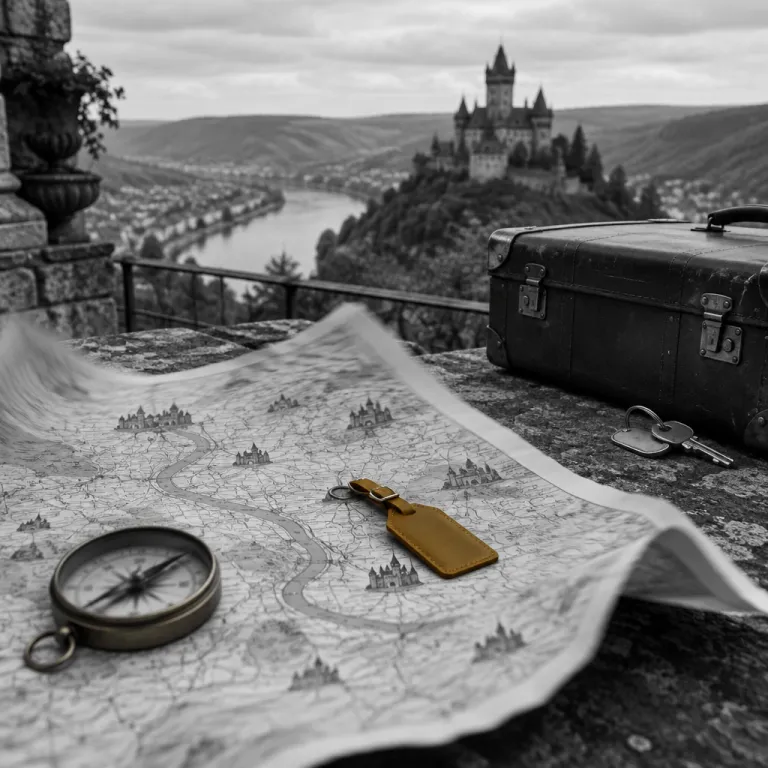
How a castles in Germany map shapes a luxury stay
A curated castles in Germany map is the most elegant starting point for planning a refined stay in a historic castle. When you overlay luxury accommodation options on this interactive overview of German castles, you immediately see which regions combine heritage, comfort, and efficient travel hours. For discerning guests, the right castle in Germany is never just about a pretty façade; it is about how the surrounding landscape, access roads, and nearby villages support a seamless visit.
On a premium booking website, interactive layers let you filter each castle by region in Germany, by style such as medieval Burg or baroque Schloss, and by whether it is open to the public overnight. This approach transforms a static list of castles into a living planning tool, where you can check opening times, parking options, and shuttle bus availability before you reserve a suite. When you zoom into southern Germany, for example, the map highlights fairytale castles and palaces that sit within a two-hour drive of each other, ideal for a short road trip.
Luxury travellers often arrive with a personal bucket list of castles and palaces they have admired for years. A well-designed castles in Germany map helps you find which famous landmark offers suites, which remains only a day visit, and which hosts a royal family museum rather than guest rooms. By plotting Neuschwanstein Castle, Eltz Castle, Hohenzollern Castle, and Cochem Castle together, you can see how to link these fairytale icons into one coherent itinerary instead of isolated visits. One reviewer described the experience as “finally seeing the puzzle pieces click into place, with every overnight stay exactly where it needed to be.”
Mapping southern Germany for castle hotel itineraries
Southern Germany is where many travellers expect the archetypal fairytale castle, framed by forests and mountains. On a detailed castles in Germany map, this southern region stands out as a dense cluster of castles, palaces, and fortified Burg landmarks that are open to the public for tours or overnight stays. When you focus your map on southern Germany, you can quickly check which castles Germany highlights are within comfortable driving hours of Munich, Stuttgart, or Lake Constance.
Neuschwanstein Castle appears on almost every bucket list, and for good reason, as its clifftop setting above Hohenschwangau is one of the most photographed views in Germany. A premium booking platform will show not only the exact address of this castle in Germany (Neuschwansteinstraße 20, 87645 Schwangau) but also nearby castle-style hotels and lakeside retreats that pair well with a visit. Before you reserve, you can check opening hours, parking zones, and shuttle bus stops, then align them with your preferred check-in time at a neighbouring Schloss hotel.
Many travellers pair Neuschwanstein with a stay in a historic palace in southern Germany that has been transformed into a refined hotel. On your castles in Germany map, look for properties that sit within one or two hours of the Allgäu region, so you can visit the castle during quieter morning slots and retreat to your suite by late afternoon. If you are planning festive escapes in European castle hotels, a specialised guide to unforgettable festive castle stays can help you match winter markets, snow-covered castles, and seasonal palace events with your chosen route. A typical three-night itinerary might include Munich, Schwangau, and a lakeside Schloss near Lake Constance, with driving times of 90 to 150 minutes between each stop.
Iconic castles on the map: from Eltz to Hohenzollern
Some names on any castles in Germany map immediately signal heritage and romance, and Eltz is one of them. Burg Eltz rises from a forested valley near the Moselle River, and its address is often the first entry guests type into their navigation system when planning a castle Germany themed holiday. Many years ago, this Burg was a defensive stronghold, yet today it welcomes visitors with guided tours, curated art collections, and well-organised parking areas at the top of the hill.
When you plan a visit to Burg Eltz, check the opening season on your chosen booking or information site, as the castle is not open to the public all year. The map will show the main parking area, the walking path through the woods, and any seasonal shuttle bus service that reduces the walking time for guests with luggage. Luxury travellers often stay in nearby castles and palaces along the Moselle, turning a single castle visit into a multi-night road trip through wine villages and riverside Schloss estates. In peak months, shuttle buses typically run every 10 to 15 minutes during core visiting hours, which makes timing your arrival from a nearby hotel straightforward.
Farther south, Hohenzollern Castle crowns a hill in Baden-Württemberg and offers sweeping views that rival many palaces in Europe. On a castles in Germany map, this fortress pairs well with other southern Germany highlights, allowing you to find refined castle hotels within a short drive. Couples planning a romantic escape sometimes combine a stay near Hohenzollern Castle with a separate coastal retreat, using resources such as a guide to castle-style honeymoons with sea view romance to balance inland heritage with island luxury.
Neuschwanstein, Cochem and the art of practical planning
Neuschwanstein Castle and Cochem Castle often anchor the first version of a traveller’s castles in Germany map, because both combine dramatic silhouettes with accessible locations. Cochem Castle rises above the Moselle River, and its address is easy to integrate into a wider road trip that includes vineyards, river cruises, and stays in nearby Schloss hotels. When you add these two castles to your map, pay attention to driving hours, parking logistics, and the timing of guided tours, so your luxury experience remains unhurried.
For Neuschwanstein Castle, the official address leads you to the village of Hohenschwangau, where you will find several parking areas and ticket offices. From there, you can either walk uphill, take a shuttle bus, or opt for a horse-drawn carriage, each with different waiting times depending on the season. A premium booking website will often include a practical list of castles and palaces with notes on whether luggage storage is available, which is essential if you plan to visit between hotel check-out and your next check-in. In busy summer weeks, shuttles may depart every few minutes, while in shoulder seasons they can be spaced 20 minutes apart, so aligning your ticket time with transport is crucial.
Cochem Castle, sometimes referred to as Reichsburg Cochem, is open to the public for tours and special events, and many guests combine a visit with a stay in a nearby castle Germany style hotel overlooking the river. When you check your castles in Germany map, look for properties that offer private transfers or clear guidance on taxi services, especially if you prefer not to drive after wine tastings. This level of planning ensures that your bucket list of Germany castles feels indulgent rather than rushed, with each castle and palace visit framed by attentive service and comfortable suites.
From Frankenstein castle to royal family heritage stays
Not every highlight on a castles in Germany map is defined by romance alone; some, like Frankenstein Castle near Darmstadt, appeal to guests who enjoy legend and literature. While Frankenstein Castle is not a traditional luxury hotel, it often features on a wider list of castles that guests want to see during a themed road trip. A refined booking platform will help you find nearby Schloss properties or castles and palaces that provide the comfort you expect, while still allowing an easy visit to this atmospheric ruin.
Many castles in Germany were once homes to a royal family or high-ranking nobility, and some of these estates now operate as high-end hotels. When you browse a curated list of castles Germany properties on a specialist site, you can check which ones still display royal family portraits, original furniture, or palace gardens that are open to the public. These details matter, because they shape whether your stay feels like a night in a historic castle or a more contemporary hotel with only a passing nod to heritage.
Years ago, many of these estates faced uncertain futures, yet careful restoration has turned them into sustainable hospitality projects. On your castles in Germany map, you can filter for castle Germany stays that balance authenticity with modern comforts such as spa facilities, fine dining, and discreet technology. For guests who value personalised service, guides on how to use a dedicated contact number for an exceptional castle-style stay, such as the advice shared in this detailed contact strategy, can be adapted to German properties as well. The German National Tourist Board notes that heritage-focused accommodation plays a significant role in cultural tourism, reinforcing the value of supporting these restored estates.
Using a castles in Germany map on premium booking platforms
On a luxury-focused booking website, the castles in Germany map is more than a visual aid; it is the backbone of the planning experience. Each castle and palace pin should open a detailed profile with photographs, a precise address, driving directions, and clear information about opening hours and seasonal closures. Guests can then check whether the property is open to the public for day visits only or whether it offers suites, apartments, or exclusive-use stays.
Advanced filters allow you to build a personalised list of castles based on your interests, whether that is riverside Schloss estates, mountain-top Burg fortresses, or urban palace residences. You might, for example, create one list of castles Germany highlights suitable for families, and another list of castles palaces ideal for couples seeking privacy and spa facilities. Over time, this approach helps you refine a bucket list that moves beyond the obvious fairytale castles and includes lesser-known yet equally pretty properties.
When evaluating options, pay attention to practical notes such as parking arrangements, shuttle bus frequency, and estimated driving hours between each castle Germany stop. A well-designed platform will also flag whether a property was renovated years ago or more recently, which can influence room comfort and accessibility. By combining this structured information with your own preferences, you transform a simple map of Germany castles into a tailored itinerary that reflects both your travel style and your expectations of luxury.
Key statistics about castle tourism and luxury stays
- Estimates from the German National Tourist Board suggest that Germany hosts more than 25,000 castles, palaces, and manor houses, though only a fraction operate as hotels or are open to the public for overnight stays.1
- Pre-pandemic data from the German National Tourist Board indicates that cultural and heritage tourism, including visits to castles and palaces, accounted for a substantial share of international overnight stays in Germany, underscoring the importance of accurate mapping and information.2
- Neuschwanstein Castle alone has attracted up to around 1.4 million visitors per year in peak periods, which makes advance planning of parking, shuttle bus use, and ticket times essential for guests staying in nearby luxury properties.3
- Regional tourism boards in southern Germany report that themed road trip routes combining multiple castles and palaces can increase average length of stay by one to two nights, benefiting both heritage sites and surrounding hotels.
1 Figures referenced from summaries published by the German National Tourist Board (Deutsche Zentrale für Tourismus).
2 Based on pre-2020 cultural tourism reports from the same organisation.
3 Visitor numbers drawn from official Neuschwanstein Castle statistics cited in regional tourism materials.
FAQ about using a castles in Germany map for luxury bookings
How do I choose which castles to include on my itinerary?
Start by listing the castles and palaces that matter most to you, such as Neuschwanstein Castle, Eltz Castle, or Hohenzollern Castle, then plot them on a castles in Germany map. Check driving hours between each castle Germany stop and prioritise clusters in southern Germany or along the Rhine and Moselle rivers. From there, refine your list of castles based on which properties offer the level of accommodation and service you expect.
Can I stay overnight inside a historic castle in Germany?
Yes, several castles in Germany and many Schloss estates have been converted into luxury hotels or guesthouses. On a specialised booking website, you can filter Germany castles by those that are open to the public only for day visits and those that provide suites or apartments. Always check recent guest reviews and renovation dates to ensure the castle hotel meets modern comfort standards.
How much time should I allow for each castle visit?
For major sites such as Neuschwanstein Castle or Burg Eltz, plan at least three to four hours, including parking, shuttle bus or walking time, and the guided tour. Smaller castles and palaces may require only one to two hours, especially if you are not visiting extensive museums or gardens. When building a road trip, limit yourself to two significant castle visits per day to keep the experience relaxed.
Is it better to rent a car or rely on public transport for castle trips?
Renting a car offers the greatest flexibility for visiting multiple castles in Germany, particularly in rural southern regions where bus and train connections can be limited. However, some iconic castles, such as Neuschwanstein, are well served by regional trains and local buses, which can reduce parking concerns. If you prefer not to drive, choose a base in a town with strong rail links and use guided excursions to reach more remote castles.
How can I ensure my luxury castle stay respects heritage conservation?
Choose properties that clearly communicate their conservation policies, such as energy-efficient upgrades, careful restoration practices, and partnerships with local heritage organisations. Many castles and palaces now balance guest comfort with preservation by limiting guest numbers in historic wings or restricting access to fragile rooms. Supporting these responsible operators helps ensure that the castles in Germany you enjoy today will remain open to the public for future generations.