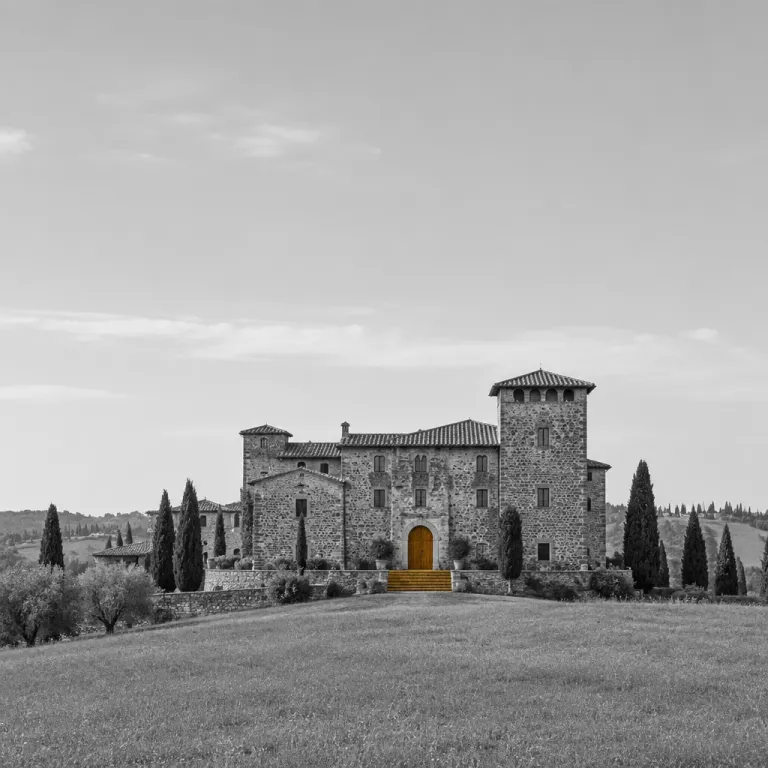
Why castle hotels in Italy create such a rare sense of place
Choosing castle hotels in Italy means sleeping inside the country’s layered history. Many a medieval castle has been transformed into a refined castle hotel where thick stone walls now frame light filled rooms and generous suites. Guests move between centuries as original towers, frescoes, and courtyards coexist with modern comforts that match leading luxury hotels across Italy.
Across Italy, from Tuscany to Veneto and Campania, each castello tells a different story shaped by its landscape and former noble owners. A fifteenth century fortress on a hilltop might now host a discreet spa and a heated swimming pool, while a lakeside stronghold offers family friendly apartments with panoramic views across vineyards or water. The best castle hotels balance heritage and comfort so you can share time with loved ones without sacrificing privacy, attentive service, or contemporary design.
Travelers comparing a city hotel with a rural castle quickly notice how scale and silence change the experience. In a restored medieval castle, rooms are often carved from former guard quarters or granaries, so no two layouts match and corridors twist unexpectedly. This sense of architectural surprise, combined with curated amenities and genuinely friendly staff, is what keeps many guests returning to the same castello year after year.
Historic regions and emblematic castelli for an Italian castle stay
Tuscany Italy remains the most requested region for castle hotels in Italy, and with good reason. Around Siena and Arezzo, properties such as Castello di Gargonza and Castello di Monterone occupy hilltop positions that once controlled trade routes, and their suites now overlook olive groves instead of battlefields. These Tuscan estates often pair a medieval castle silhouette with a tranquil swimming pool and understated spa facilities, creating a calm retreat after days spent exploring nearby villages.
Moving north east, Veneto offers a different atmosphere where a castello might sit among Prosecco vineyards or on the plains leading towards the Dolomites. Here, a castle hotel often focuses on wine experiences, with apartments and rooms designed for couples or a small family keen to share tastings and cellar tours. When planning meetings or private events, it is worth studying how European properties manage heritage venues, and a concise guide to refined conference facilities in a Scottish castle hotel in rural Aberdeenshire can help you frame the right questions for Italian hosts about access, acoustics, and guest flow.
Further south, Campania combines coastal drama with layered history, and several castle hotels rise above the Tyrrhenian Sea or inland lakes. These properties often integrate terraces, pools, and modern amenities into centuries old ramparts, so guests enjoy open air breakfasts with sweeping views. Whether you choose Tuscany, Veneto, or Campania, always check how each castello has adapted its medieval structure to current safety standards, accessibility needs, and the expectations of luxury travelers.
From medieval fortress to refined retreat: how castles are adapted for guests
Transforming a fortified castello into a comfortable hotel requires meticulous planning and significant investment. Architects must respect every medieval arch and tower while threading in heating, cooling, and discreet wiring to support modern amenities. The result, when done well, is a castle hotel where thick stone walls regulate temperature naturally and a contemporary spa or indoor pool feels like a natural extension of the original structure.
In Piedmont Italy, for example, several del castello estates have converted former stables into generous suites and apartments that suit both couples and multi generational family groups. These spaces often feature vaulted ceilings, original beams, and large windows framing vineyard views, while bathrooms and bedding meet the standards of leading luxury hotels Italy travelers already know. Before booking, ask how many rooms the property offers, because a smaller medieval castle may provide a more intimate, friendly atmosphere than a larger complex.
Service design matters as much as architecture when you evaluate castle hotels in Italy for a special stay. Reception teams in properties such as Castello di Oviglio or relais del castello style retreats in Emilia Romagna typically coordinate transfers, tastings, and private guides, mirroring the concierge standards of renowned country houses in Britain, where advice on using a dedicated reception number for a flawless stay has become a benchmark. When a castle hotel invests in both infrastructure and people, guests feel the difference from the moment they arrive at the gatehouse.
Signature Italian castle stays: from lakeside legends to hilltop sanctuaries
Some castle hotels in Italy have achieved near mythical status among seasoned travelers. On Lake Orta, the island of San Giulio and the village of Orta San Giulio form a romantic backdrop for several historic hotels, and a nearby castello offers rooms with lake views that feel almost theatrical. Couples often choose these properties for honeymoons, then return later with a family to share the same terraces and walking paths.
In central Italy, Castello di Monterone near Perugia stands out as a carefully restored medieval castle that balances authenticity and comfort. Its suites are individually decorated, some with fresco fragments, and many open towards the Umbrian hills, while a small spa and outdoor swimming pool provide quiet corners after days of sightseeing. Guests who appreciate this style of stay often look for similar castle style luxury when planning romantic escapes elsewhere, and curated guides to sea view romance in other Mediterranean destinations can help refine expectations before booking another castle hotel.
Closer to Rome, Castello Orsini and several Castello San estates offer a different mood, with crenellated towers rising above wooded valleys and villages. These historic hotels often host weddings and private events, so it is wise to confirm how many rooms will be reserved for your dates and whether any large celebrations might affect access to shared amenities such as the main pool or terraces. When a property communicates clearly and maintains a friendly, proactive dialogue before arrival, it signals a level of professionalism that usually carries through to every aspect of the stay.
Choosing the right castle hotel layout, rooms, and amenities for your trip
Because no two castle hotels in Italy share the same floor plan, matching the property layout to your travel style is essential. A compact medieval castle with only a handful of rooms may suit couples seeking privacy, while larger estates with apartments and multiple suites work better for a family or group of friends. When you read descriptions, pay attention to whether rooms are in the main castello, in former farm buildings, or in modern wings discreetly added to the original structure.
Facilities vary widely, so confirm which amenities matter most to you before committing. Many travelers expect a spa, a heated swimming pool, and reliable climate control as standard modern comforts, yet some smaller or more remote hotels in Italy may offer only a seasonal outdoor pool and simple wellness services. If you plan to share the experience with children, ask about family friendly features such as interconnecting rooms, shallow pool areas, and supervised activities that respect the quiet atmosphere of a historic castello.
Location within Italy also shapes how you will use the hotel during your stay. In Tuscany Italy or Emilia Romagna, a castle hotel often serves as a base for wine tasting, cycling, and visits to medieval hill towns, so on site dining and flexible breakfast hours become important amenities. In Veneto, Campania, or Piedmont Italy, where day trips can involve longer drives, you may prioritize comfortable beds, blackout curtains, and late evening room service so that every return to your castello feels restorative.
Practical booking strategies for luxury and premium castle stays
Securing the best value and experience at castle hotels in Italy requires more than simply choosing attractive photos. Start by checking whether the castle hotel offers different rate structures for rooms, apartments, and suites, because a larger space with kitchen facilities can be more economical for a family staying several nights. Direct booking often unlocks added amenities such as late checkout, a welcome drink by the pool, or complimentary spa access that third party sites may not mention.
Seasonality plays a major role in pricing across Tuscany, Veneto, Campania, and other regions of Italy. Shoulder seasons such as April to early June and September to October usually provide milder weather, quieter public spaces, and better access to popular medieval castle sites, while still allowing you to enjoy outdoor terraces and sometimes even the swimming pool. When comparing hotels in Italy, look beyond headline rates and evaluate what is included, from breakfast and parking to guided tours of the castello and its grounds.
Communication before arrival is a reliable indicator of service quality in any castle hotel. A responsive, friendly reservations team that answers detailed questions about suites, accessibility, and modern amenities shows that the property values transparency and guest comfort. If you are planning a complex itinerary that combines a lakeside stay near San Giulio and Orta San Giulio with time in Piedmont Italy or Emilia Romagna, share your plans with the hotel so they can coordinate transfers, restaurant bookings, and timed entries to nearby cultural sites.
Key figures about castle hotels in Italy
- According to the Italian Historic Houses Association (Associazione Dimore Storiche Italiane), more than 4,500 historic residences operate as hospitality venues across Italy, and a significant share of these are castle hotels or fortified villas that have been adapted for guests. The most recent figures publicly cited by the association date from the early 2020s and may be updated over time; readers can consult the association’s official publications for current data.
- Data from ENIT, the Italian National Tourist Board, indicates that cultural and heritage tourism regularly accounts for a large proportion of international overnight stays in the country, which helps explain the growing demand for stays in a medieval castle or castello style property. ENIT’s published reports vary by year, but the overall importance of culture focused travel has remained consistently high; for precise percentages, refer to the latest ENIT statistical yearbook.
- Regional tourism statistics from Tuscany show that rural accommodations, including castle hotels and agriturismi, have recorded sustained growth in arrivals over the past decade, often outpacing many traditional city hotels in Italy. Exact percentages differ by province and reporting period, yet the upward trend for countryside stays is clear and is highlighted in annual reports from the Tuscan regional tourism authorities.
- Surveys by European luxury travel agencies report that travelers are willing to pay a noticeable premium for suites in historic properties that combine authentic architecture with modern amenities such as a spa and swimming pool. Methodologies and figures vary by study and year, so it is worth checking the most recent survey notes from individual agencies to understand the precise range of premiums guests accept for castle style stays.
FAQ about staying in castle hotels in Italy
Are castle hotels in Italy suitable for families with children ?
Many castle hotels in Italy welcome families and offer apartments, interconnecting rooms, and child friendly pool areas. When booking, confirm whether the castello provides cots, extra beds, and flexible dining times that suit younger guests. Some properties also organize low key activities such as treasure hunts in the gardens, while still preserving the quiet atmosphere of a historic medieval castle.
Do Italian castle hotels have modern amenities like air conditioning and Wi Fi ?
Most luxury level castle hotels in Italy now integrate essential modern amenities such as air conditioning, reliable Wi Fi, and updated bathrooms. However, because each medieval structure is unique, not every room in a castello will have identical features. Always check room descriptions carefully and ask the hotel to confirm which amenities apply to your specific room category.
Is a car necessary when staying at a castle hotel in Tuscany or Piedmont ?
Many castelli in Tuscany Italy and Piedmont Italy sit in rural locations where public transport is limited. Renting a car gives you the freedom to explore nearby villages, vineyards, and viewpoints at your own pace. If you prefer not to drive, ask the hotel about transfers, private drivers, or local taxi services before finalizing your reservation.
How far in advance should I book a popular castle hotel ?
For peak periods such as spring and late summer, it is wise to book sought after castle hotels in Italy several months ahead. Properties with a small number of suites, especially around San Giulio, Orta San Giulio, or iconic Tuscany hill towns, can fill quickly with weddings and events. Early booking also increases your chances of securing specific room types with the best views or access to the spa and pool.
What is the typical price range for a night in an Italian castle hotel ?
Rates vary widely depending on region, season, and the level of luxury, but many castle hotels in Italy start around mid range prices for standard rooms and rise to premium levels for suites with terraces, private pools, or exceptional views. Properties in Veneto and Campania near major attractions or coastlines often command higher rates than more remote castelli in Emilia Romagna or inland Piedmont Italy. Always compare what is included in the nightly rate, such as breakfast, parking, and guided tours of the castello, to understand the true value.