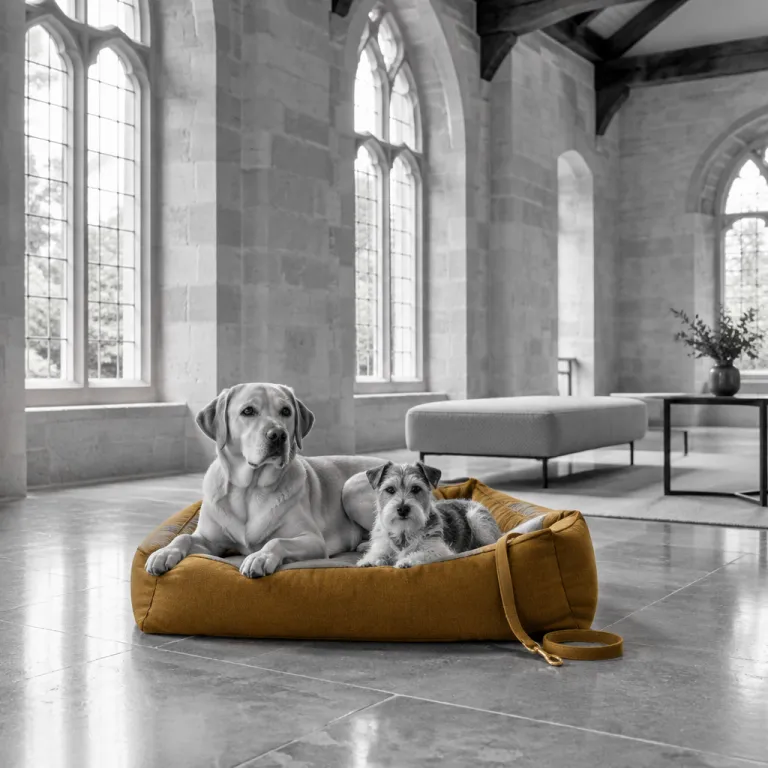
What real dog friendly castle hotels look like for families
Dog friendly castle hotels promise romance, heritage and wagging tails together. A genuinely friendly castle stay treats your dog as part of the family, not as a surcharge on the bill or a problem to be managed. The best hotels balance rich history with practical comforts so children, adults and dogs all feel at ease.
At a true dog friendly luxury hotel, you will see water bowls in the great hall, dog blankets in selected rooms and staff who know nearby walking routes by heart. These castle hotels usually limit how many dogs are allowed per room, yet they make those friendly stays feel relaxed with clear rules and a calm tone. Before you book any castle hotel, check whether dogs can join you in lounges, whether there is outdoor lighting for a late night walk and whether the team can recommend a local vet.
Many families arrive expecting wide scottish style estates or south west parkland, only to find a single gravel courtyard where dogs are allowed on a short lead. Look for a castle with enclosed gardens or woodland, because those spaces turn short stays into easy year round routines with children and dogs. When a hotel invests in dog friendly touches, from welcome treats to washable throws in every room, it signals that your whole family is genuinely welcome.
The spectrum from tolerated dogs to genuinely friendly stays
Not every dog friendly castle delivers the same experience once you arrive. Some castle hotels accept a dog only in specific rooms, charge a high nightly fee and restrict access to most public spaces, which can make family stays feel constrained. Other hotels quietly shape the entire property around dogs allowed in comfort, from ground floor rooms opening onto lawns to flexible dining options.
At the stricter end, a luxury hotel might confine dogs to one wing of the castle, ban them from the great hall and insist they are never left alone in the room. Families then juggle dining schedules, because formal dining rooms may be off limits and room service becomes the only option for a hot meal at night. When you check policies before you book, ask whether there is a relaxed bar or terrace where dogs can sit with you during informal dining, and whether children can share that same space without feeling out of place.
More welcoming castle hotels treat dog friendly policies as part of their identity, not a reluctant add on. They publish a clear guide to where dogs are allowed, outline walking routes on estate maps and explain how housekeeping manages rooms with dogs between stays. For a refined planning example, you can study how a city property structures guest communication in this phone number etiquette guide for a luxury stay, then apply the same clarity when you call a castle to check pet rules.
Grounds, gardens and walking routes: the castle advantage
Historic castle estates should be paradise for dogs and children, yet many hotels underuse their land. A thoughtful dog friendly castle hotel will map safe walking routes, fence sensitive gardens and signpost livestock areas, so families can relax without constant negotiation. When you compare castle hotels, pay close attention to how they describe their grounds, not just their rooms.
Scottish properties such as Glenapp Castle or Stonefield Castle often sit within extensive woodland and coastal landscapes, where sea views and forest paths turn short walks into small adventures. In south west regions or in south Gloucestershire, a grade listed castle with access to National Trust trails can offer year round variety, from riverside paths to hilltop viewpoints. Ask whether dogs are allowed off lead in any part of the estate, whether there are dog waste bins along the main walking routes and how far the nearest public footpath lies from the hotel gate.
Some hotels, including places like Thornbury Castle or Melville Castle, use walled gardens and lawns as outdoor living rooms for families with dogs. When a castle hotel provides benches, lighting and water points around these gardens, evenings stretch easily after dining while children play and dogs explore. For more inspiration on atmospheric estates, browse this curated selection of romantic castle stays with exceptional grounds and adapt the same criteria to your own dog friendly short list.
Clear communication matters as much as acreage, so study how premium properties explain access rules in resources such as this refined stay contact guide and expect similar precision from any castle hotel that claims to welcome dogs.
Inside the castle: rooms, dining and quiet for everyone
Once you step into the castle, the details of rooms and dining determine whether a dog friendly promise holds. Families should look for ground floor or first floor rooms with easy outdoor access, hard flooring near the door and enough space for a dog bed without crowding children. When you book, ask the hotel to assign a room away from the noisiest corridors, so both dogs and young guests can settle at night.
In the best dog friendly castle hotels, staff provide a small kit in the room, with a washable blanket, a bowl and sometimes a list of local walks. Luxury touches might include a towel by the entrance for muddy paws and a discreet door hanger that signals when dogs are inside, which helps housekeeping plan their check. Families should also ask whether dogs may stay in the room alone for short periods, because strict rules here can shape how you schedule spa visits or formal dining.
Shared spaces require balance between guests who travel with dogs and those who prefer a quieter environment. Many castle hotels allow dogs in lounges and bars but not in the main dining room, which works well when bar menus are strong and service is relaxed. Award winning properties tend to handle this best, offering parallel experiences so a family with dogs can enjoy refined dining without feeling like second class guests, while others savour a silent tasting menu in the great hall.
How to book dog friendly castle hotels with confidence
Securing the right dog friendly castle stay starts long before you arrive at the gate. Treat the booking call or email as your first test of how friendly the hotel really is toward dogs and families. A confident reservations team should answer detailed questions about rooms, gardens and where dogs are allowed without hesitation.
When you book, confirm the exact room category, the number of dogs allowed, any nightly supplements and where on the estate you can walk before breakfast or late at night. Ask the hotel to email a short guide that summarises dog friendly areas, quiet zones and any restrictions linked to conservation or National Trust partnerships. Clarify whether your preferred dates fall during busy family seasons, because a quieter midweek night can be kinder to both nervous dogs and guests seeking calm.
Families should also check cancellation terms, as travelling with dogs and children can introduce more variables. Look for flexible policies that allow you to move dates if a dog becomes unwell, and ask whether the hotel can recommend local kennels or pet sitters if you plan a non dog friendly excursion. Over time, you will build your own list of the best castle hotels for year round friendly stays, where rich history, thoughtful service and relaxed dogs share the same great hall without friction.
FAQ
How can I tell if a castle hotel is genuinely dog friendly ?
Look for specific information about where dogs are allowed, from rooms to lounges and gardens, rather than a single vague line on the website. A genuinely dog friendly castle hotel will describe walking routes, provide clear rules about dining spaces and explain any fees in advance. If staff answer detailed questions confidently by phone or email, that is usually a reliable sign.
What room features matter most for a family staying with dogs ?
Ground floor or low level rooms with direct outdoor access make early walks and late night trips much easier. Hard flooring near the door, enough space for a dog bed and nearby green space all help dogs settle quickly. Families should also ask for rooms away from busy stairwells or lifts, which can unsettle nervous dogs.
Are dogs usually allowed in castle dining rooms and great halls ?
Many historic hotels keep formal dining rooms and the main great hall dog free to preserve a quieter atmosphere. However, well designed properties offer bar areas, terraces or smaller lounges where guests can enjoy full menus with their dogs beside them. Always check in advance so you can plan whether to use room service, casual dining or a mix of both.
What should I pack when staying at a castle with my dog ?
Bring a familiar bed or blanket, a secure lead, waste bags and any medication your dog needs. Even when hotels provide bowls, many dogs eat and drink better from their own dishes, so consider packing collapsible versions. A small towel for muddy paws and a long line for safe garden play can also be useful on large estates.
How do castle hotels balance dog owners with guests who prefer quiet stays ?
Thoughtful properties separate some rooms, designate dog free zones and set clear rules about barking and unattended dogs. They often allow dogs in certain lounges and outdoor areas while keeping spas, formal dining rooms and some corridors pet free. This zoning lets families enjoy relaxed, friendly stays with their dogs while preserving calm spaces for other guests.