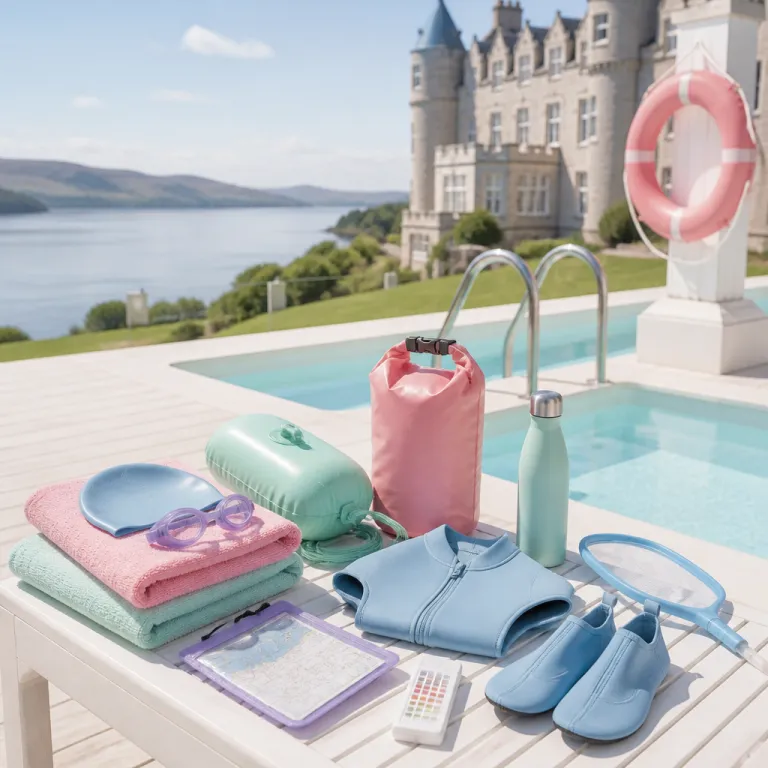
From castle hotel swimming pools to lochside wild swims
Summer is when a castle hotel swimming pool stops being a rainy day fallback and becomes the reason families book the stay. The most rewarding properties now pair a well heated outdoor pool with supervised access to a nearby loch or river, creating a seamless shift from structured swimming to a carefully managed wild swim that still respects water safety and family comfort. For travelers weighing a city break in Edinburgh against a rural escape, the promise of both polished swimming facilities and guided wild swimming often tips the balance toward the countryside.
Across Scotland and Ireland, heritage estates such as Ashford Castle in County Mayo, Fonab Castle Hotel overlooking Loch Faskally, Glengarry Castle Hotel on the shores of Loch Oich near Loch Ness, and Lough Eske Castle beside Lough Eske in Donegal have understood that swimming is no longer a side amenity but a core part of the guest experience. Their teams talk about swimming Scotland and Ireland in the broadest sense, from a warm indoor pool for cautious children to hosted wild swimming sessions in nearby lochs where cold water and changing weather are treated with respect rather than bravado. When you browse a luxury booking website for castle hotels, look for clear information on swimming spots, lifeguard presence and hours, easy access to the water, and whether the estate offers equipment such as tow floats, neoprene gloves, or high visibility swim caps for colder conditions.
Not all castle hotels have swimming pools, and not every loch permits swimming, so planning matters. Industry listings and hotel websites are explicit on that point: many historic properties remain pool free, and some waters are reserved for fishing, boating, or conservation. Families should read that as a prompt to check each property’s website, confirm whether outdoor pools are heated and to what approximate temperature, and verify if wild swimming is allowed in the adjacent loch or river before committing to a non refundable rate. When you find a castle hotel swimming pool loch wild swim combination that aligns with your children’s ages and confidence levels, you are no longer just booking a room; you are booking a layered water experience that can shape the entire trip.
Scottish castle estates: lochs, cold water, and family friendly wild swimming
Scotland is where the idea of combining a castle hotel swimming pool with a lochside wild swim feels most natural. Properties such as Glengarry Castle Hotel on Loch Oich near the Caledonian Canal, Fonab Castle Hotel above Loch Faskally in Pitlochry, and Culcreuch Castle Hotel within reach of the central Highlands all sit close to water where wild swimming is possible when conditions, permissions, and safety align. For families, the appeal lies in being able to move from a controlled swim in the pool to a supervised wild swim in a nearby loch, with staff who understand both water shock and the realities of cold water immersion.
On a clear summer morning in the Scottish Highlands, you might start with laps in a heated outdoor pool screened by stone walls and mature trees, then walk with a guide down to a loch shore for a short wild swimming session. Around the Great Glen near Inverness, some estates offer easy access points where the entry is gradual, the car park is close, and the emphasis is firmly on water safety rather than bravado about how cold the water feels. Typical summer surface temperatures in larger Scottish lochs often sit between 10°C and 15°C (50°F to 59°F), so sessions are usually brief and carefully timed. The same pattern appears near Loch Lomond and Loch Tay, where family friendly swimming spots are chosen for their gentle gradients, short walk from the castle, and the ability to exit the water quickly if younger swimmers feel overwhelmed.
Further east, day trips from castle bases toward East Lothian or the Scottish Borders open up a different kind of water experience, with sandy beach stretches and river pools that soften the drama of the Highlands. You might stay at a central Scotland castle, then drive to a sheltered beach in East Lothian where the water is still cold but the entry is easy and the outdoors feel less intimidating for children. For those drawn to more dramatic scenery, the view of Castle Stalker rising from the water on the west coast is a reminder that swimming Highlands style is as much about the setting as the stroke, and families can balance such excursions with indoor pool time or even estate based activities like historic themed games, as explored in this guide to immersive castle events and grand stays.
Designing the perfect family day: pools, lochs, and working estate life
A well run castle hotel understands that a family day built around swimming needs rhythm. Morning might mean a structured session in the main swimming pool, where children can practice strokes under watchful eyes before anyone even thinks about a wild swim in nearby open water. Afternoon becomes the time for a carefully planned loch visit, with staff briefing guests on water safety, likely water temperature, and how to avoid water shock when stepping into cold water after a warm day on the lawn.
On estates with easy access to a loch, the best teams mark out specific swimming spots with clear entry and exit points, often close to a car park so families do not have to carry gear far. A short walk through the grounds can be part of the charm, especially when the path passes through old woodland where nature feels close but the route remains easy for younger legs. Properties that take swimming Highlands style seriously will often provide or recommend neoprene socks, lightweight robes, and even waterproof shoes to help guests navigate stony loch shores without drama.
Some of the most rewarding days unfold on working estates where swimming is just one thread in a wider tapestry of outdoor life. After a morning wild swim in a sheltered corner of a loch, families might tour the farm, meet the estate équipe, and understand how land management shapes both water quality and wildlife. If that rhythm appeals, it is worth reading this piece on what happens when your castle hotel is also a farm, then choosing a property where the same people who talk about crop rotation can also advise on the safest time of day for a wild swim.
Practical planning: packing lists, seasonal realities, and where pools still matter most
Planning a trip around a castle hotel swimming pool loch wild swim combination demands more than throwing a swimsuit into a bag. Northern European water, whether in a loch or the sea, stays cold even when the air feels warm, so packing neoprene layers, dry robes, and warm hats for post swim recovery is a good idea for both adults and children. Waterproof shoes or sandals make loch access easier, especially on pebbly shores where bare feet turn every step into a negotiation.
Families who enjoy hiking will appreciate estates where the best swimming spots are reached by a short walk through the grounds rather than a long scramble. Look for descriptions that mention easy access, nearby car parks, and clear signage, especially if you are new to wild swimming or traveling with younger children. When browsing booking platforms, prioritize properties that explain their approach to water safety, outline whether lifeguards are present at the pool and at what times, and state clearly if wild swimming is supervised, guided, or entirely at guests’ own risk.
There is also a seasonal reality that no amount of romance can erase: outdoor pools in Scotland, Ireland, or the north of England need serious heating infrastructure to be genuinely comfortable. Some forward thinking estates now use ground source heat pumps or high efficiency boilers to keep water at a stable 27°C to 29°C (around 80°F to 84°F), allowing guests to move between the pool and the outdoors without courting water shock from extreme temperature swings. If your travels extend beyond the lochs toward mountain regions, it is worth exploring properties with elevated wellness facilities such as panoramic saunas, as profiled in this guide to the best castle style hotels with panoramic saunas, then applying the same scrutiny to pool heating, access, and safety when you return to planning your next castle stay.
FAQ
Do all castle hotels offer both pools and wild swimming options ?
No, many castle hotels offer a swimming pool but do not have safe or legal access to nearby open water for a wild swim. Public tourism information and hotel listings show that not all castle hotels even have pools, so you should always check the hotel website or contact the property directly. If wild swimming is important to your trip, ask specifically about loch access, water safety measures, and whether staff can recommend suitable swimming spots.
Are castle hotels with loch access suitable for families with children ?
Many castle hotels in Scotland and Ireland are genuinely family friendly, but suitability depends on how each estate manages its water access. A good family option will combine a supervised or well monitored swimming pool with clearly marked loch entry points, easy access from the car park, and staff who brief guests on cold water risks and water shock. Always match the environment to your children’s confidence levels, and start with short, shallow swims close to shore.
Can you swim in lochs such as Loch Ness, Loch Lomond, or Loch Tay near castle hotels ?
Swimming is possible in many Scottish lochs, including Loch Ness, Loch Lomond, and Loch Tay, but conditions vary and local guidance must be followed. Some areas have designated swimming spots with gentler gradients and better water safety information, while others are more exposed and better suited to experienced wild swimmers. Before entering the water, check for signage, ask your hotel about recommended areas, and assess wind, waves, and boat traffic.
How cold is the water in Scottish lochs during summer ?
Even in summer, water temperatures in Scottish lochs remain cold compared with indoor or heated outdoor pools. That cold water can cause water shock if you jump in suddenly, so gradual entry, short initial swims, and warm clothing for after your swim are essential. Families should treat loch swimming as a brief, invigorating experience rather than an extended pool style session, especially with younger children.
What should I pack for a castle stay focused on swimming and wild swims ?
For a castle hotel stay built around swimming, pack at least two swimsuits per person, lightweight robes, and quick drying towels. For wild swimming in lochs or rivers, add neoprene socks or boots, gloves, a warm hat, and waterproof shoes to handle rocky shores and easy access paths. A small dry bag for valuables, a thermos with a hot drink, and bright swim caps for visibility will make both pool time and wild swims safer and more comfortable.