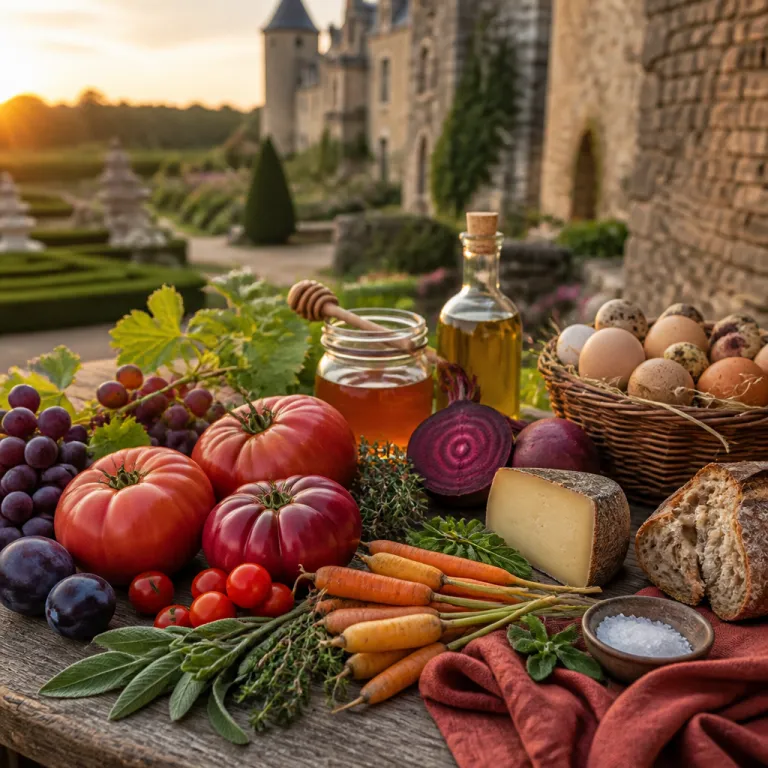
How to read the estate to table promise at a castle hotel
Estate to table sounds seductive when you are planning castle hotel dining, yet the phrase hides wildly different realities behind similar language. In practice, a serious castle hotel dining estate-to-table restaurant will be transparent about what actually grows within its walls and what comes from trusted neighbours. When you read about a castle hotel restaurant, look for specifics about the gardens, the livestock, and the percentage of the menu that can genuinely be traced back to the estate.
Many properties now describe every meal as an estate-led or farm-to-table dining experience, but most historic grounds simply cannot supply every ingredient for breakfast, lunch, and dinner. Responsible teams quietly acknowledge that even the most ambitious castle can usually cover only around 15 to 30 percent of a seasonal menu from its own land, then build the rest around local farmers and artisan producers. That range reflects figures shared in sustainability reports from European country-house hotels and Relais & Châteaux style properties, which track how much of their produce comes from on-site plots versus nearby suppliers; for example, the Relais & Châteaux Sustainability Report 2023 notes that member estates with working gardens typically self-supply between one fifth and one third of their fresh produce. That balance still creates meaningful impact when the castle works with nearby growers who share its standards for fresh food and sustainable agriculture.
When you compare options on a luxury booking website, pay attention to how each castle hotel explains its sourcing rather than how often it repeats the marketing phrase. A credible estate-to-table restaurant will name its partners, describe its on-site gardens, and explain how the executive chef adapts the dining room menu between winter and summer. As one country-house general manager recently put it in a Green Key case study, “if we cannot show guests the field or farmer behind a dish, we do not call it estate cuisine.” If the language feels vague, you can safely assume the promise leans more toward branding than to a grounded dining experience.
Where the promise is real: from Pauillac vines to Provençal gardens
Some properties have built their entire culinary identity around verifiable estate-to-plate dining, and they set the standard for what you should expect. COMO Le Cordeillan-Bages in Pauillac, Bordeaux, for example, works with consultant chef Fabien Ferré to design a restaurant menu that follows the rhythm of the vineyards surrounding the castle, and the cellar holds more than 1,600 wines from neighbouring châteaux. According to the estate’s own cellar inventory, the list regularly exceeds this figure when new vintages arrive, with a strong focus on Pauillac and wider Médoc appellations. This is not a themed castle hotel dining estate to table restaurant but a working wine house where the dining room, the vines, and the cellar operate as one ecosystem.
Further south, Château de Berne in Provence offers a different model of serious castle hotel dining, with Michelin-starred Le Jardin de Berne framed by 34 rooms set amid active vineyards and olive groves. Here the estate restaurant draws heavily on the property’s own olives, vegetables, and herbs, then complements them with produce from nearby farms to keep the food both fresh and regionally grounded. As the chef there has explained in interviews with French food magazines, the kitchen aims for “maximum estate produce, minimum food miles,” using preserved tomatoes, oils, and pickles when the garden rests. When you book a table, you are effectively reserving a seat inside a functioning agricultural landscape rather than a stage set.
These examples show how a castle can turn its land into a living pantry while still acknowledging limits and seasonality. They also underline why wine-focused estates often deliver the most coherent castle hotel dining experience, because the vineyards already anchor a culture of terroir and patient craftsmanship. For readers interested in how serious properties treat their vines as carefully as their kitchens, a deeper guide to castle wine country and when an estate’s vintage matters more than its century is essential reading on the same platform.
Walled gardens, foraging, and the new castle food landscape
Across Europe, a quiet renaissance is reshaping how castle grounds feed their guests, and it starts with the walled garden. Places such as Aldourie Castle on Loch Ness and Bovey Castle on Dartmoor have restored Victorian kitchen gardens not as nostalgic ornaments but as working plots that supply salad leaves, herbs, and soft fruit to the main restaurant. When you walk through these spaces before lunch or dinner, you see the literal distance between soil and plate measured in metres rather than kilometres.
Foraging has become another headline feature of the modern castle hotel dining estate to table restaurant, though here the gap between promise and practice can be wide. Some hotels offer gentle afternoon walks where guests collect wild herbs or mushrooms, yet the harvest never reaches the dining room and remains a staged activity. Others integrate foraged ingredients into the daily menu, with the executive chef and kitchen team building dishes around seasonal finds such as wild garlic, chanterelles, or sea herbs from nearby sand dunes.
When you evaluate these experiences on a booking platform, look for clues in the language used to describe the dining experience. If the castle talks about specific species, habitats, and preservation methods, the practice is usually real and ongoing. One Scottish estate chef quoted in a regional tourism report summarised it neatly: “we only write ‘foraged’ on the menu when the picker can point to the exact glen.” If the copy leans on vague references to forest to fork without detail, you are probably looking at a photo opportunity rather than a meaningful extension of estate-led dining and local sourcing.
Menus, seasons, and the red flags on your plate
The most reliable way to judge a castle hotel dining promise is to read the menu as closely as you would a wine list. A serious estate-to-table restaurant will change its lunch and dinner offerings as the seasons move, sometimes subtly, sometimes dramatically. When asparagus appears in early spring and disappears by midsummer, you know the kitchen is responding to real fields rather than a central supplier.
There are also clear warning signs that the estate-to-plate story is mostly aspirational, and you can spot them before you book. If the castle restaurant menu looks identical in January and July, estate sourcing is probably limited, because no walled garden in a temperate climate produces the same vegetables all year. Another red flag is a long list of exotic ingredients that could never grow within a few kilometres of a Scottish glen or a Loire valley castle hill, yet dominate every course.
When you speak with the reservations team or use a booking form, ask direct questions about how much of the dining room menu comes from the estate itself. Many leading properties now track their local sourcing and can tell you that around 80 percent of ingredients come from nearby producers, a figure echoed in case studies from sustainable hospitality awards and Green Key certifications that monitor supply-chain transparency. To make this more concrete, a typical early-summer tasting menu at a genuinely estate-driven castle might feature garden pea velouté with herbs from the potager, line-caught local fish with estate-grown fennel, and a dessert of walled-garden berries preserved in last year’s cordials. That level of transparency, combined with visible gardens and changing menus, is your best assurance that the castle hotel dining estate to table restaurant you choose will deliver more than marketing language.
From plate to place: what guests should ask before they book
For couples planning a romantic stay, the castle hotel dining experience often matters as much as the room category or the spa. Before you reserve, ask whether the property offers guided walks through its gardens or orchards, because these visits reveal more about the estate restaurant than any brochure. If you can see compost heaps, working greenhouses, and chefs clipping herbs before service, you are in the right place.
It is also worth inquiring about how the castle integrates its food philosophy with the wider stay, from breakfast through afternoon tea to the final dinner. Some estates now pair their dining room with wellness-focused amenities such as outdoor thermal circuits and courtyard cold plunges, creating a holistic sense of place that extends beyond the plate. When a property treats its grounds as both larder and landscape, the result feels closer to a lived-in house than a themed backdrop, and that intimacy is what many travellers now seek.
Finally, remember that genuine estate-to-table dining is rarely perfect or uniform, and that is part of its appeal. Menus may be shorter, certain dishes may sell out, and the kitchen might lean heavily on one vegetable when the garden overproduces. Those small imperfections signal a castle hotel that is listening to its land, and for many guests, that quiet honesty tastes better than any polished marketing promise.
FAQ
What is estate to table dining at a castle hotel ?
Estate to table dining means that a castle hotel restaurant uses ingredients grown, raised, or foraged on its own grounds, then completes the menu with produce from nearby farmers and artisan suppliers. In the words of one reference guide used by country-house hoteliers, “estate-to-table dining means meals using ingredients grown or sourced from the estate and its immediate surroundings.” While no property can source everything from its land, the best castle hotel dining estate to table restaurant models make the estate a visible, measurable part of every meal.
Do all castle hotels offer genuine estate to table food ?
Not every castle hotel operates a true estate-driven restaurant, even if the marketing suggests otherwise. Some properties have extensive gardens, orchards, or vineyards that supply a significant share of the menu, while others rely mostly on external suppliers. When you are unsure, ask the hotel how much of its dining room menu comes from the estate and how often it changes with the seasons.
Are estate to table meals more expensive than standard hotel dining ?
Prices at an estate to table castle restaurant can be slightly higher than at a conventional hotel restaurant, because growing or sourcing small-scale seasonal produce is more labour intensive. However, many guests report higher satisfaction when they can see where their food comes from and taste the difference in freshness. If you value provenance and sustainability, the premium often feels justified.
How can I tell if a castle restaurant really follows the seasons ?
The clearest sign is a menu that changes between winter and summer, with different vegetables, herbs, and even cooking methods appearing as the year progresses. You can also look for references to specific plots, orchards, or vineyards on the property, which indicate that the kitchen is working closely with the land. If the same dishes appear year round with identical garnishes, the estate to table claim is likely more limited.
Should I book special experiences such as garden tours or foraging walks ?
Garden tours, walled garden visits, and guided foraging walks can deepen your understanding of how a castle hotel dining estate to table restaurant operates. These activities show you the scale of the gardens, the crops in season, and sometimes the preservation methods that carry flavours into the colder months. If food is central to your trip, reserving at least one of these experiences usually adds meaningful context to your meals.