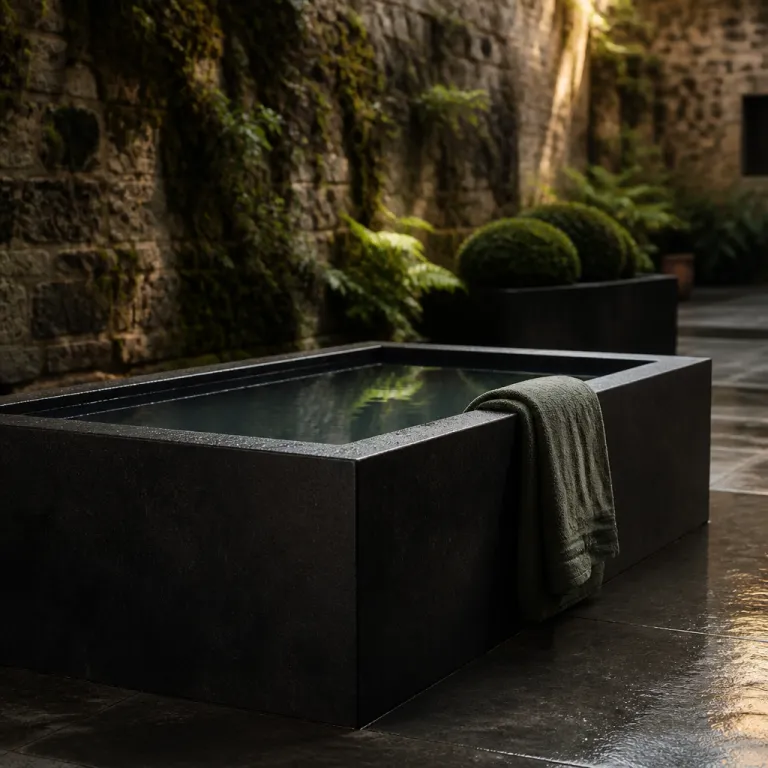
Castle hotel outdoor wellness: cold plunge, sauna rituals and romantic escapes
From dungeon spas to walled garden sanctuaries
Castle hotels are quietly moving their wellness rituals outdoors. The old model of a windowless spa room below the great hall is giving way to walled garden sanctuaries where a sauna stands beside a cold plunge tub and an outdoor pool shimmers against stone ramparts. For couples planning a romantic escape, the new benchmark is a castle hotel outdoor wellness cold plunge sauna experience that feels rooted in the landscape rather than hidden from it.
This shift is not a passing trend but a structural rethinking of how wellness, heritage and place intersect. Properties that once tucked a steam room beside the laundry now design entire courtyards around contrast therapy, with a hot sauna cold cycle leading directly to pool cold immersion in natural light. The best estates use their grounds as a recovery studio in the open air, where you move from hot tub to cold plunges to forest paths in a single, flowing session instead of shuffling between basement doors.
Glenapp Castle on Scotland’s west coast is emblematic of this new direction. Its forthcoming wellness suite, The Nest, places a compact Cube 250 outdoor sauna cabin and a natural barrel cold plunge in an 1830s walled garden, turning a former kitchen plot into a focused outdoor wellness place for couples who want privacy without losing the sense of sky and weather. As one recent guest described it, “you step out of the heat and straight into birdsong and sea air, not a tiled corridor.” The castle’s thick walls still shelter cool treatment rooms, yet the real theatre now happens outside, where every plunge and minute session is framed by brick, roses and shifting light.
The contrast ritual: hot stone, cold water, open sky
At the heart of any serious castle hotel outdoor wellness cold plunge sauna program lies the contrast ritual. You move from a dry sauna or infrared sauna into a cold plunge pool, then back again, using hot cold cycles to stimulate circulation and support recovery after long travel days. The most thoughtful estates design this journey as a sequence of sessions rather than a single shock, with staff guiding you on how many minutes sauna guests should aim for in each phase and how to pace breathing as the body adapts.
Medical consensus aligns on the basics of safe exposure, and many castles now brief guests clearly before they book a spa session. A 2022 systematic review in the International Journal of Circumpolar Health on cold-water immersion (Niemelä et al., 2022) reported associations with improved mood, reduced pain and possible cardiometabolic benefits, while also stressing the need for gradual adaptation and medical screening for at-risk groups. One leading wellness partner summarises it plainly for first timers: “What are the benefits of cold plunges? They improve circulation, reduce inflammation, and boost mood.” “Are cold plunges safe for everyone? Generally safe, but consult a doctor if you have health concerns.” “How long should I stay in a cold plunge? Start with 30 seconds to 3 minutes, depending on comfort.” These guidelines translate neatly into a castle context, where a two minute session in a courtyard pool cold bath can be followed by a gentle walk through the garden rather than a dash through fluorescent corridors.
Outdoor layouts also encourage social wellbeing, which matters for couples who want to share the experience rather than sit alone in separate rooms. Communal saunas and outdoor pools become quiet stages for conversation, especially in properties that limit numbers per session to keep the atmosphere calm. As one spa manager at a Highland estate notes, “when guests can see the sky and hear the wind in the trees, they relax faster and talk more openly.” For a deeper dive into how estates are rethinking subterranean spaces versus open air designs, the analysis of the spa in the dungeon model shows why more owners now push wellness toward the gardens and courtyards.
Technology meets heritage: infrared, light and longevity
The most forward looking castle spas are not only moving outdoors; they are also layering modern technology onto centuries old stone. Infrared sauna cabins now sit beneath fruit trees, offering deep heat therapy that feels gentler than a traditional sauna cold blast yet still supports muscle recovery after a day on estate trails. Many couples alternate classic saunas with infrared sessions, using each type of heat for different wellness goals across a longer day spa itinerary.
Light therapy is another quiet revolution in these settings. Red light panels, once confined to urban recovery studio concepts in places like New York City, now appear in converted towers and garden pavilions, where guests can spend time in a dedicated room focused on skin health and circadian balance. Some castles integrate red light into multi purpose wellness rooms, pairing it with diagnostic equipment and consultation spaces that reflect a broader shift toward longevity focused spa design rather than purely indulgent treatments. As one spa director at a Scottish estate notes, “our guests still want indulgence, but they also ask about sleep, stress and long term resilience, so we design every session with those questions in mind.”
Steam room facilities have not disappeared, but they are increasingly balanced by outdoor pool decks and hot tub terraces that keep you connected to the weather. A typical circuit at a leading property might include a ten minutes sauna heat phase, a one minute session in a cold plunge, a spell in the steam room, then a barefoot walk across grass before sliding into an outdoor pool for a gentle swim. For couples comparing options, guides to regal relaxation and castle spa amenities can help identify which estates truly invest in this layered, technology informed approach.
Landscape as therapist: lochs, forests and walled gardens
What sets castle hotel outdoor wellness cold plunge sauna experiences apart from urban spas is the landscape itself. Many estates sit beside natural lakes or rivers, where cold plunges become wild swims rather than stainless steel tubs, and the contrast therapy comes from a hot sauna followed by a dash down to a Scottish loch or a sheltered bay. The sensory impact is different when your plunge is framed by reeds, mist and distant hills instead of tiled walls.
Forest bathing is another asset that castle owners are finally treating as a core wellness offer rather than a pleasant walk. Couples can book guided sessions that combine slow movement through ancient woodland with breathing exercises, then return to a recovery studio space for light stretching and a warm drink. In this context, a spa is no longer just a cluster of rooms but a network of outdoor pools, paths and clearings that support both physical recovery and mental reset.
Walled gardens, like the one at Glenapp Castle, provide a middle ground between wild nature and controlled design. Their high brick walls create microclimates where an outdoor pool or hot tub can operate comfortably for more months of the year, while still offering privacy for guests who prefer to spend time away from the main terrace. For couples who enjoy more active pursuits between wellness sessions, estate guides to falconry, foraging and firing ranges show how easily a day can flow from adrenaline to recovery without ever leaving the grounds.
Planning your stay: how to book and what to expect
For travelers used to urban day spa visits, planning a castle stay with a focus on outdoor wellness requires a slightly different mindset. Start by checking how the property structures its sessions: some run fixed contrast therapy circuits with set minutes sauna and plunge timings, while others allow you to move freely between saunas, pools and rooms within a broader time window. When you book, ask specifically whether the cold plunge facilities, outdoor pools and hot tub areas are open year round or seasonal, as this can shape your daily rhythm.
Pack with the elements in mind rather than just the spa menu. Swimwear is essential, but so are warm robes, slip resistant sandals and perhaps a light hat if you plan to sit in an infrared sauna or under red light panels on a sunny terrace. Couples who value privacy should request garden facing rooms close to the wellness zone, which makes it easier to step out for a short minute session in the pool cold bath or a quick therapy circuit before breakfast.
Geography also matters. A desert retreat like Castle Hot Springs in Morristown, Arizona, uses geothermal pools and naturally warm outdoor pools for its wellness programming, while Scottish and Irish castles lean into bracing cold water and hot cold contrast against moody skies. According to the Global Wellness Institute’s 2023 report on wellness tourism, the wellness tourism market is projected to surpass $1 trillion within the next few years, and castle hotels are using this momentum to refine their offers with wellness experts, spa designers and health consultants, so guests can expect more tailored guidance, clearer safety briefings and better integrated experiences with every stay.
FAQ
How long should I stay in a castle cold plunge pool ?
Most castle spas recommend starting with very short immersions, especially if the water is truly cold from a natural source. Aim for 30 seconds to one minute in the cold plunge, then warm up in a sauna or steam room before repeating the cycle. Over several sessions you may build toward two or three minutes, but always listen to your body and step out sooner if you feel light headed or breathless.
Are outdoor saunas and cold plunges safe in winter ?
Well run castle hotels design their outdoor wellness areas to operate safely in colder seasons, with non slip surfaces, clear lighting and staff supervision. The hot cold contrast can feel more intense in winter, so teams usually advise shorter minutes sauna phases and briefer plunges, followed by thorough rewarming indoors. Guests with cardiovascular conditions should seek medical advice before using extreme temperature facilities at any time of year.
What should couples pack for an outdoor wellness focused castle stay ?
Bring at least two sets of swimwear so you can rotate between sessions without putting on damp clothing. Lightweight layers, warm socks and easy on footwear make it more comfortable to move between your room, the outdoor pool deck and any recovery studio spaces. If you plan to spend time in infrared sauna cabins or under red light therapy panels, consider a simple eye mask to reduce glare during longer sessions.
How do castle spas differ from urban day spas ?
Castle spas typically integrate the surrounding landscape into their wellness design, using walled gardens, forests and natural water for contrast therapy and recovery. Urban day spa venues often rely on indoor pools and artificial light, whereas castle hotels can offer outdoor pools, wild swimming spots and naturally cool treatment rooms created by thick stone walls. For many couples, the slower pace and sense of seclusion make a multi day castle stay more restorative than a single city based minute session.
Can beginners use infrared and light therapy at castle hotels ?
Yes, most properties that offer infrared sauna cabins and light therapy rooms provide clear guidance for first time users. Staff usually suggest shorter sessions at lower temperatures or light intensities, then adjust based on your comfort and wellness goals. As with any therapy, communicate openly about how you feel during and after each session so the team can tailor your program safely.