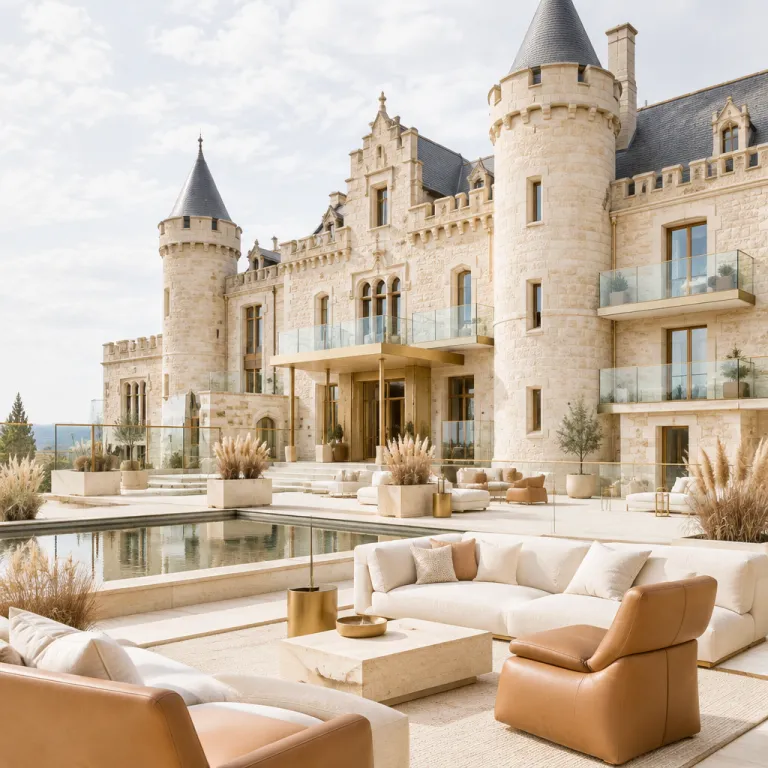
Sleeping in storybook stone: why fairy tale castles make unforgettable stays
Fairy tale castles speak to travellers who want history, privacy, and refined comfort. These castles were often built as symbols of power for kings and princes, yet today their restored rooms and great halls welcome guests seeking a more intimate palace experience. When you choose a castle stay, you gain a privileged view into aristocratic life that ordinary hotels can never match.
Across castles in Europe, owners have transformed ancestral estates into luxury retreats without erasing their soul. A carefully curated castle in Ireland or Scotland might offer only thirty rooms, but each space feels like a private wing with tapestries, four poster beds, and deep stone window seats. Many of these beautiful castles began as medieval strongholds between the 12th and 16th centuries, then evolved into palaces with landscaped gardens and mirrored halls as warfare moved elsewhere.
Architectural details become part of your daily routine inside the castle. You might cross a vaulted hall to reach breakfast, then pass a discreet throne room preserved as a ceremonial space for evening cocktails. When castles open to overnight guests retain their original staircases, chapels, and armour lined corridors, every short visit feels like a living museum experience rather than a simple night away.
Architectural marvels in Bavaria and beyond for design focused guests
For many travellers, the phrase fairy tale castles instantly evokes Neuschwanstein Castle in southern Germany. This Bavarian landmark rises above the village of Hohenschwangau, with towers and turrets that inspired film studios and fantasy illustrators worldwide. From a design perspective, Neuschwanstein was built in the late 19th century as a romantic reinterpretation of medieval fortresses Bavaria once knew, rather than a faithful reconstruction of any single castle.
King Ludwig II of Bavaria commissioned Neuschwanstein as a personal retreat, not as a defensive stronghold. Inside Neuschwanstein, the throne hall dazzles with Byzantine inspired mosaics, while each room celebrates legends beloved by Ludwig and his favourite composer Richard Wagner. When you stay near Neuschwanstein, you can plan a day trip that combines guided tours inside the castle with a lakeside walk and an elevated view from Marienbrücke.
Across the valley, Hohenschwangau Castle offers a more intimate architectural story. This yellow walled castle stands on 12th century foundations and was rebuilt in the 19th century by Ludwig’s father as a summer residence for the royal family. Travellers who follow detailed travel tips from local guides often highly recommend pairing a visit to Hohenschwangau Castle with an overnight stay in a nearby heritage style property, then exploring why an autumn escape to Edinburgh’s royal castles offers a different yet equally rich architectural mood.
From royal fantasies to refined suites: inside castle life today
Stepping inside castle walls today, you will notice how carefully designers balance authenticity and comfort. Many castles in Ireland, Scotland, and Germany retain original stone vaults, yet they now hide underfloor heating, acoustic insulation, and subtle lighting. The best restorations respect each hall and room layout while reimagining them as suites, libraries, and spa sanctuaries.
In properties near Neuschwanstein and Linderhof, owners often reference King Ludwig’s theatrical taste without copying it. A palace style suite might echo the colours of Linderhof Palace, while a dining room ceiling subtly mirrors the painted skies of Schloss Neuschwanstein. When you book through a specialist platform dedicated to a fairy tale castle escape, such as this curated guide to planning your next regal stay, you gain access to vetted properties where every room has been assessed for both heritage value and guest comfort.
Guests often highly recommend choosing a castle open all year, because each season transforms the view and atmosphere. In winter, Bavarian castles feel cocooned, with roaring fires in the main hall and snow framed towers outside. During longer days, a day trip from your chosen castle to nearby heritage attractions, such as Linderhof Castle or Hohenschwangau Castle, allows you to compare how different kings built their private fantasies.
Neuschwanstein, Linderhof, and Hohenschwangau: planning a regal Bavarian itinerary
Design lovers often start their Bavarian castle journey with Neuschwanstein Castle, Linderhof Palace, and Hohenschwangau Castle. These three castles in Germany form a triangle of royal imagination, each residence reflecting a different phase of King Ludwig’s life. When you plan carefully, you can visit all three castles on separate days, using one luxury castle hotel as your base.
Schloss Neuschwanstein dominates most postcards, yet Linderhof offers perhaps the most complete inside castle experience. This smaller palace was built in the 19th century as Ludwig’s intimate retreat, with lavish rooms inspired by French courts and a mirrored hall that feels almost theatrical. The gardens at Linderhof, with terraces and fountains, provide a contrasting view to the rugged cliffs surrounding Neuschwanstein Castle and the lakeside calm near Hohenschwangau.
Hohenschwangau Castle, where Ludwig spent much of his youth, helps travellers understand how his tastes evolved. The castle stands on medieval ruins from the 12th century, then was reshaped into a romantic residence filled with murals of Germanic legends. Many travel tips suggest staying two or three nights in the region, allowing time for a relaxed day trip to each castle, a lakeside walk, and an evening in your chosen heritage style property where the halls and rooms echo royal stories.
Beyond Bavaria: fairy tale castles in Ireland and Scotland
While Bavaria offers some of the world’s most photographed fairy tale castles, Ireland and Scotland provide equally atmospheric stays. In Ireland, many castles were originally built as tower houses between the 15th and 17th centuries, then expanded into palace like residences with grand rooms and a formal hall. Today, these castles in Ireland often feature refined dining rooms, spa facilities in former stables, and suites with sweeping views over rivers or Atlantic headlands.
Scotland’s castles range from rugged cliff top fortresses to baronial mansions with turrets and crow stepped gables. Travellers seeking beautiful castles for a romantic escape often highly recommend a stay near Edinburgh or in the Highlands, where each castle open to guests offers a different architectural narrative. Some Scottish castles have been recognised within wider heritage networks, which encourage sensitive restoration of each room and hall.
For those comparing castles in Ireland and castles in Scotland, the choice often comes down to landscape and style. Ireland’s green valleys and coastal cliffs frame castles that feel softer, with gardens and riverside walks just beyond the palace walls. Scotland’s more dramatic peaks and lochs create a starker backdrop, where a day trip from your castle might include whisky tastings, moorland hikes, and visits to ruined castles that were first fortified in the Middle Ages.
How luxury booking platforms curate the best castle stays
Choosing between dozens of fairy tale castles can feel overwhelming without expert curation. Luxury booking platforms dedicated to castle stays evaluate each property in Germany, Ireland, and Scotland on architecture, service, and heritage integrity. They prioritise castles where the rooms respect original proportions, the main hall retains its character, and the palace grounds remain largely intact.
For weddings and milestone celebrations, planners now highly recommend castle venues that combine architectural drama with modern logistics. A well managed castle open for events will have discreet service corridors, upgraded kitchens, and flexible rooms that can shift from throne room style ceremonies to intimate dinners. If you are considering a celebration, it is worth reading why castle hotels are increasingly the first choice for wedding planners who value both aesthetics and guest experience.
For independent travellers, specialist platforms provide detailed travel tips on how to structure a day trip from each castle, which heritage attractions to prioritise, and how to time your visit to Neuschwanstein or Linderhof to avoid peak crowds. They also highlight lesser known beautiful castles in different European regions, where you can enjoy a more tranquil fairy tale atmosphere. By filtering for properties near landmarks such as Schloss Neuschwanstein or Linderhof Palace, you can align your stay with the royal stories that fascinate you most.
Design details to look for when booking your fairy tale castle stay
Architecture focused guests should pay close attention to how each castle presents its interiors online. Look for floor plans that show the relationship between the main hall, private rooms, and service areas, because this reveals how the palace originally functioned. When a property explains which parts date from the 13th or 15th century and which were added later, you gain a clearer sense of how your stay supports ongoing conservation.
In Bavarian castles, you may find suites inspired by King Ludwig’s theatrical tastes, with rich colours and murals referencing Richard Wagner’s operas. Some rooms near Neuschwanstein Castle echo the woodwork and painted ceilings of Schloss Neuschwanstein, while others borrow motifs from Linderhof’s mirrored salons. Properties that highlight how each room’s view frames mountains, lakes, or formal gardens help you imagine daily life inside castle walls before you arrive.
Beyond Bavaria, many castles in Ireland and Scotland showcase original stonework, timber beams, and restored throne hall spaces. When booking, seek detailed photography of corridors, staircases, and secondary rooms, not only the great hall or main palace façade. This level of transparency signals a serious commitment to heritage standards and usually correlates with a more authentic, fairy tale rich experience for every guest.
Key figures about fairy tale castle tourism
- Neuschwanstein Castle in Germany welcomes around 1.4 million visitors each year according to official Bavarian tourism data, making it one of the most visited castles in Europe and a major driver of tourism in Bavaria.
- UNESCO and other cultural bodies estimate that cultural and heritage tourism accounts for a substantial share of global tourism revenue, underlining the economic importance of preserving castles and palaces.
- VisitScotland data shows that castles and historic houses rank among the top three paid attractions in Scotland, with millions of entries recorded annually across major sites.
- Tourism Ireland notes that visitors interested in castles and historic houses tend to spend more per trip than average leisure travellers, reflecting the premium nature of fairy tale castle stays.
- Studies by the European Travel Commission indicate that travellers who include at least one day trip to a castle or palace are more likely to return to the same region within three years.
FAQ about staying in fairy tale castles
How far in advance should I book a stay near Neuschwanstein Castle ?
For peak seasons, you should book accommodation near Neuschwanstein Castle at least three to six months ahead. The castle itself operates on timed entry, so align your room reservation with ticket availability. Luxury castle style properties in Bavaria often sell out quickly during holidays and school breaks.
Can I stay inside an actual historic castle in Ireland or Scotland ?
Yes, several properties in Ireland and Scotland operate as hotels within genuine castle walls. Some are fully restored palaces with modern rooms, while others retain a more traditional hall and room layout. Always check whether the castle open to guests occupies the original structure or a newer wing built beside the ruins.
What should I look for to ensure a castle stay is comfortable, not just atmospheric ?
Review room descriptions carefully for heating, air conditioning where appropriate, and modern bathrooms. High quality properties explain how they upgraded infrastructure without damaging heritage features such as vaulted halls or original staircases. Guest reviews that highly recommend both the atmosphere and sleep quality are a strong indicator of comfort.
Is it possible to visit castles like Linderhof and Hohenschwangau as day trips from one base ?
Yes, many travellers choose a single base in the Bavarian Alps and plan separate day trip excursions to Linderhof Palace, Hohenschwangau Castle, and Neuschwanstein Castle. Driving times between these castles are usually under two hours, depending on traffic and season. Booking a nearby castle style property allows you to return each evening to a setting that matches the fairy tale mood of your visits.
Are fairy tale castle stays suitable for families with children ?
Many castles welcome families and offer larger rooms or interconnecting suites. However, because some castles were originally built with steep stairs and uneven floors, parents should check accessibility details and safety features. Choosing a property with gardens, easy day trip options, and flexible dining makes the experience more enjoyable for younger guests.