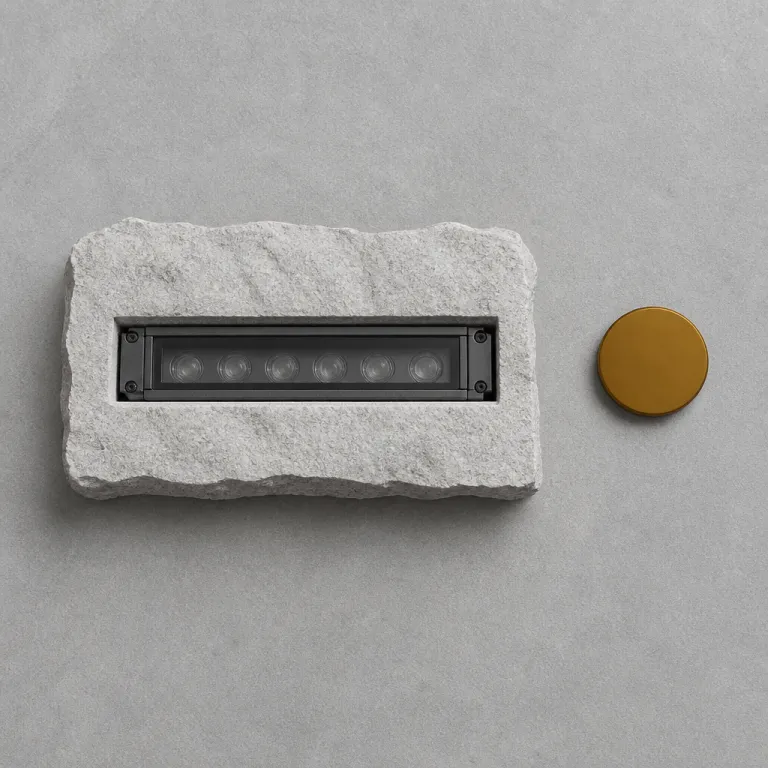
Why castle hotel lighting feels different the moment you step inside
Walk into a serious castle hotel and your eyes need a moment. The stone walls, deep embrasures, and narrow windows were never meant to flatter a modern guest who wants to feel instantly oriented and connected to the view. Medieval builders designed every castle building for defence first, which means the original openings admit far less natural light than a contemporary hotel room of similar size.
That is the starting point for any credible castle hotel lighting design in dark rooms with heritage protections. Conservation rules often prevent enlarging windows in historic buildings, so designers work with arrow slits and tiny apertures that can cut daylight by 60 to 70 percent compared with modern rooms. The best projects accept this historical constraint and then use layered light to make each room feel atmospheric rather than gloomy.
When you book a castle stay, you are not just reserving a room ; you are stepping into a historic narrative. The most successful properties treat every corridor, stairwell, and dining room as part of a single lighting project that balances guest comfort with conservation. They use a mix of concealed fittings, warm colour temperatures, and carefully positioned mirrors to respect the original fabric of the building while still meeting contemporary hospitality expectations.
How heritage lighting consultants work inside real castles
Specialist design studios now focus almost entirely on historic buildings, and they bring a forensic approach to every castle hotel. Heritage Lighting Matters, for example, has worked across multiple United Kingdom estates where public access and guest circulation overlap in complex ways. Their teams start by mapping how guests actually move through the spaces, from arrival under a stone arch to the last drink in the library, then they test how much natural light reaches each route at different times of day.
Those assessments feed into a multi year project timeline that often mirrors what has been happening across British heritage properties more broadly. Initial surveys identify where the building fabric can safely take new cabling without harming stone or stone timber structures. Later phases introduce LED luminaires, custom fixtures, and smart control systems that can be tuned room by room, so a vaulted dining room can glow while adjacent bedrooms remain calm and low lit.
When you read that a castle hotel has undergone a lighting refurbishment, ask who led the interior design and whether a dedicated lighting consultant was involved. Brilliant Lighting, another specialist, reports that carefully planned schemes can raise visitor satisfaction by around a quarter once guests feel safer and more oriented in dark stairwells and public spaces. That kind of uplift does not come from brighter bulbs alone ; it comes from a design studio that understands both conservation law and contemporary hospitality standards.
Candlelight, LEDs, and the art of atmospheric dining rooms
Nothing flatters a medieval stone hall like candlelight. The best castle hotel dining rooms lean into this, using real candles where health and safety rules allow, then backing them up with premium LED candles that mimic the same warm, shifting light. Cheap LEDs flicker at the wrong frequency and cast a cold halo, while high quality versions layer beautifully with wall washers and concealed uplights.
For guests, the difference is immediate ; you feel held by the room rather than simply able to see your plate. In a well handled castle hotel lighting design, the main architectural features of the historic building are grazed with soft light from below, so every carved stone capital and timber beam reads clearly without glare. The table surface then receives a slightly brighter pool of light, often from small pendants or pinpoint spots hidden in the rafters.
Designers working in heritage spaces also use candle style fittings to bridge the gap between original fixtures and modern technology. Estelles Lighting, a manufacturer specialising in hospitality, produces custom sconces that echo 18th century forms while housing efficient LED sources. When these are dimmed correctly, guests experience the dining room as authentically historical, even though the project quietly delivers energy savings and lower maintenance behind the scenes.
Why circadian lighting belongs in stone walled bedrooms
Dark castle rooms can be deeply restorative if the lighting is tuned to human rhythms. Circadian lighting systems shift colour temperature and intensity through the day, starting with cool, brighter light in the morning and moving to warmer, lower levels by evening. In a castle hotel, this approach compensates for the lack of natural light without fighting the character of the stone envelope.
Installing such systems in protected historic buildings is not straightforward. Any new fitting that touches original plaster, stone, or timber usually needs conservation approval, and visible downlights can jar against centuries old ceilings. The most sophisticated design studios respond by hiding linear LEDs in cornices, behind bed canopies, or along floor skirtings, so the guest feels the room brighten and soften without seeing obvious modern hardware.
For business leisure travellers extending a work trip, this kind of interior design detail matters. You might arrive late from meetings, needing a clear, functional room to unpack and answer emails, then want the same space to feel like a cocoon an hour later. A castle hotel that invests in circadian capable controls lets you shift from task mode to firelit reverie with a single scene change, all while keeping the historical envelope intact.
Mirrors, materials, and how designers multiply scarce natural light
Long before LEDs, castle owners used mirrors to bounce daylight deeper into their rooms. Today, designers refine that principle with far more precision, especially in castles where the main façade windows cannot be altered. A well placed mirror opposite a narrow opening can double the perceived natural light in a room without adding a single fitting.
In a serious castle hotel lighting design project, mirror placement is treated almost like structural engineering. Designers study how shafts of light move across stone floors during the day, then angle mirrors to catch and redirect them into darker corners. The result is that a guest entering at midday feels an even, calm brightness, even though the actual window area remains historically small.
Materials matter just as much as mirrors. Limewashed stone, pale timber floors, and soft matte paints all help bounce light without creating harsh reflections that would feel wrong in a historic building. If you are interested in how these finishes are chosen, look at guidance on historic paint and period colour in castle interiors, which often sits alongside the lighting brief in the same design studio.
Reading rooms, libraries, and the new social heart of the castle
One of the quiet revolutions in contemporary hospitality is the rise of the castle library as a social hub. Guests now gravitate to reading rooms where the leather smells older than the country, and the lighting is tuned for both conversation and solitude. These spaces show how a castle hotel can use light to create intimacy without sacrificing legibility.
Task lighting at each armchair, combined with soft wall washers on the stone, lets older guests read comfortably while younger travellers linger over drinks. The trick is to keep the overall room at a low, enveloping level, then layer brighter pockets where eyes need support. If you want to understand why these rooms feel so compelling, explore how the new castle library has become the most coveted space in many properties.
From a conservation perspective, libraries and salons are often where original panelling and stone timber ceilings survive intact. Lighting designers must respect these surfaces, using concealed tracks and reversible fixings that do not scar the historic fabric. When done well, the guest simply feels that the room glows naturally, as if the building itself had learned a new way to breathe light.
The bathroom challenge: avoiding the medieval cave effect
Bathrooms are where castle hotel lighting design often fails first. Many have been carved out of former wardrobes or service closets, which means no windows and no natural light at all. Without care, the result is a space that feels like a bunker rather than a sanctuary.
Good designers start by separating functional light from mood. Bright, shadow free illumination around the mirror helps with shaving and make up, while a softer, indirect layer lets the guest feel relaxed in the bath. In a heritage context, fittings are usually surface mounted or integrated into joinery, so the original stone and plaster remain untouched for conservation reasons.
Colour temperature is critical in these rooms. A warm white around 2700 to 3000 Kelvin flatters skin tones and harmonises with the rest of the castle building, where candlelight and firelight still set the emotional baseline. When you step from a low lit corridor into a bathroom that is bright but still warm, the transition feels intentional rather than jarring.
Health, safety, and accessibility in dark historic spaces
Heritage hotels must now meet rigorous health and safety standards without turning their corridors into airport lounges. That means clear, continuous light on stairs and thresholds, plus emergency signage that remains legible in smoke or power cuts. In a castle, these requirements collide with thick stone walls, uneven floors, and centuries old doorways.
Lighting consultants address this by using low level guides along skirtings or handrails, often in the form of tiny LED markers. These provide enough light for safe movement without flooding the entire space, so guests still feel the drama of the historic building at night. Smart control systems then raise levels automatically when sensors detect movement, which is particularly helpful for older guests navigating unfamiliar rooms.
Heritage Lighting Matters notes that “Energy efficiency, longevity, and minimal heat emission” are the main benefits of LED lighting in historic buildings. That matters in castles where ancient timber roofs and dry panelling can be vulnerable to heat build up from traditional lamps. When you see a softly lit spiral stair that feels both safe and atmospheric, you are looking at a carefully balanced compromise between romance and regulation.
Guest expectations: who loves dark rooms and who does not
Not every traveller wants the same level of brightness in a castle room. Younger guests often embrace the darkness, reading it as cinematic and cosy, especially when they are staying for leisure rather than work. Older travellers, or executives combining business and leisure, tend to prioritise clarity, task lighting, and easy control panels.
The most guest focused castle hotels respond with layered options rather than a single fixed scene. Bedside controls allow you to raise the general light level for packing or working, then drop back to a low, warm glow for sleep. In suites, separate scenes for living spaces, bedrooms, and the dining room area let couples negotiate their own comfort without calling reception.
When you compare properties on a booking platform, look for language that goes beyond generic “atmospheric lighting”. Serious projects mention dimmable circuits, reading lights, and attention to both public spaces and private rooms. If you are planning an intimate celebration or elopement, the same principles apply when choosing a venue, and guides on finding the perfect wedding style property can help you read between the lines of marketing copy.
How to read between the lines of a castle hotel listing
When a listing highlights “original features” and “authentic atmosphere”, ask how that translates into lighting. Does the description mention upgraded electrical systems, LED integration, or collaboration with a specialist design studio ? If not, you may be looking at a property where the rooms still rely on a single central pendant and a couple of table lamps.
Guest reviews are a powerful filter here. Look for comments about being able to work comfortably at a desk, or about corridors feeling safe at night without being overlit. Repeated complaints about gloomy bathrooms, hard to reach switches, or confusing control panels usually signal that the castle hotel lighting design project stopped at the decorative stage.
On the other hand, praise for how the building feels at dusk, or for how the library and bar transition from day to night, suggests a deeper investment. That is where the main SEO keyword, castle hotel lighting design dark rooms heritage, becomes more than a phrase ; it becomes a shorthand for properties that treat light as a core part of their interior design, not an afterthought. Those are the stays where you wake to soft daylight on stone and end the evening in a pool of warm glow, fully aware of the centuries around you yet entirely at ease.
Behind the scenes: how lighting projects unfold in real heritage properties
Transforming a castle’s lighting is rarely a quick refresh. Many projects follow a phased path similar to what has been happening across United Kingdom heritage properties, starting with surveys and mock ups before any permanent fittings are installed. This careful pacing protects the building while allowing owners to test how guests respond to new schemes in selected rooms and public spaces.
Early stages focus on understanding the building fabric. Engineers trace existing wiring through stone walls and timber floors, identifying where new routes can be added without damaging historic finishes. Conservation officers often insist on reversibility, so design studios specify surface mounted conduits painted to match the walls, or use existing voids behind panelling to hide cables.
Once the infrastructure is in place, attention shifts to the guest experience. Control systems are programmed with simple, intuitive scenes labelled for real life use, such as “work”, “relax”, or “night”, rather than technical jargon. Staff receive training so they can explain these options at check in, which is crucial in castles where the lighting can feel complex if you are used to a standard city hotel room.
Energy, sustainability, and the future of castle hotel lighting
Energy performance is no longer a side issue in heritage hospitality. LED retrofits can cut lighting energy use by around 60 percent compared with older technologies, a figure echoed by several specialist consultancies working in historic buildings. For castle owners, those savings help fund ongoing conservation, from repointing stone to repairing leaded windows that protect the rooms from draughts.
Smart controls add another layer of efficiency. Presence detectors dim lights in unused corridors, while daylight sensors reduce artificial light in rooms that receive more natural light at certain hours. Guests rarely notice these shifts consciously, but they feel the building responding gently to the time of day.
Looking ahead, the most interesting innovations sit at the intersection of technology and restraint. Minimalist fixtures that almost disappear into the fabric, combined with rich, historically informed interior design, allow castle hotels to honour their past while meeting contemporary hospitality standards. As one heritage specialist puts it, “By integrating modern lighting solutions that respect historical integrity”, these properties can enhance both guest comfort and the long term health of the buildings they inhabit.
Key figures: lighting, comfort, and heritage performance
- LED based schemes in historic properties can reduce lighting energy consumption by around 60 percent compared with older incandescent or halogen systems, according to heritage focused consultancies working across the United Kingdom.
- Visitor satisfaction scores in upgraded heritage hotels have risen by approximately 25 percent after comprehensive lighting projects, reflecting guests’ improved sense of comfort, safety, and visual clarity in dark spaces.
- Original defensive window openings in medieval castles can admit 60 to 70 percent less natural light than modern hotel windows of similar area, which explains why layered artificial lighting is essential for comfortable rooms.
- Smart control systems that dim lights in unoccupied corridors typically cut corridor lighting energy use by 20 to 30 percent, freeing operational budgets for conservation work on stone, timber, and roofing.
- Warm white colour temperatures around 2700 to 3000 Kelvin are now standard in many castle hotels, as they align with candlelight and firelight, helping guests feel relaxed while preserving the historical ambiance of stone walled interiors.
Frequently asked questions about castle hotel lighting and dark rooms
How do heritage properties address lighting challenges ?
Heritage properties address lighting challenges by integrating modern lighting solutions that respect historical integrity. Specialist design studios work with conservation officers to add LED fixtures, concealed wiring, and smart controls without damaging original stone or timber. The goal is to improve visibility and comfort while keeping the character of the historic building intact.
What are the benefits of LED lighting in historic buildings ?
LED lighting in historic buildings offers high energy efficiency, long life, and low heat output. These qualities reduce operating costs and minimise the risk of heat damage to fragile materials such as ancient panelling or painted ceilings. LEDs also allow precise dimming and colour control, which is vital for creating atmospheric rooms in castle hotels.
Can modern lighting affect the authenticity of heritage sites ?
Modern lighting can affect authenticity if it is visually intrusive or ignores historical context. When designed carefully, though, it can enhance the reading of architectural details and make spaces safer without drawing attention to itself. The most successful castle hotel projects hide fittings, use warm colour temperatures, and echo original candlelit atmospheres.
Why are some castle hotel rooms darker than standard hotel rooms ?
Castle hotel rooms are often darker because medieval builders used small windows and thick walls for defence, not daylight. Listed building protections usually prevent enlarging these openings, so natural light remains limited compared with modern hotels. Designers compensate with layered artificial lighting, mirrors, and pale finishes to keep rooms comfortable.
What should I look for in a castle hotel if I need bright, functional lighting ?
If you need bright, functional lighting, check whether the castle hotel mentions recent renovations, LED upgrades, or collaboration with a lighting consultant. Look for reviews that praise reading lights, clear bathroom illumination, and easy to use control panels. When in doubt, contact the property directly and ask for a room with strong task lighting and adjustable scenes.