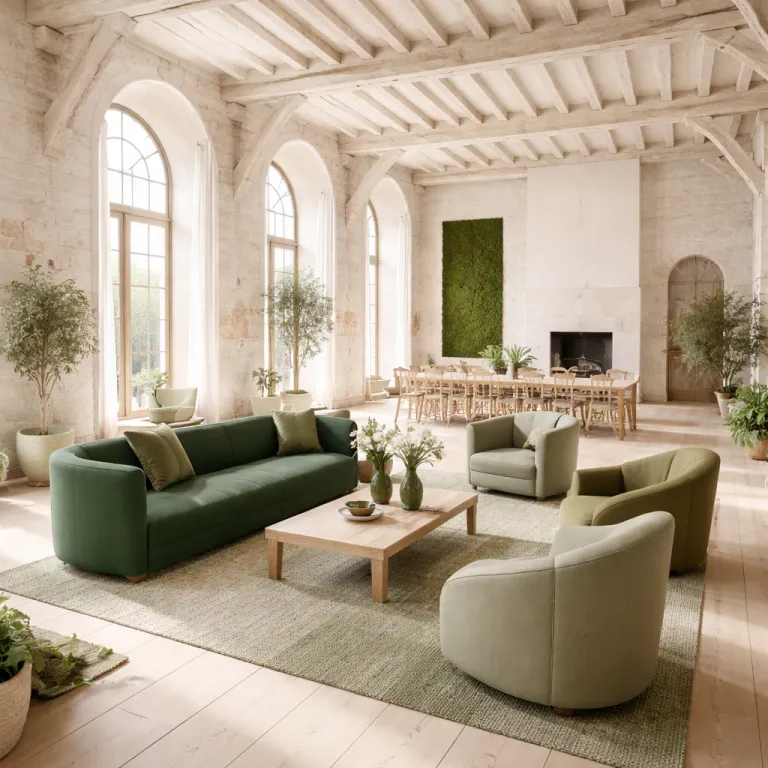
From chintz to calm: why castle hotel interiors are changing
Walk into a traditional castle hotel and you often meet pattern on pattern. The castle interior can feel like a family attic, layered with portraits, tassels and inherited furniture that no one quite chose. For some travellers, that maximalist hotel design still charms, but many couples now seek a quieter castle hotel interior where every room feels edited rather than overstuffed.
Danish studios have stepped into these castles with a different set of design ideas. Instead of copying country house decor, they study each building exterior, each great hall and each entrance hall, then strip back to stone, timber and light. At Dragsholm Slot in Denmark, for example, Space Copenhagen’s 2014 renovation pared back floral fabrics in the restaurant to limewashed walls, oak tables and custom leather chairs. The result is a new kind of luxury hotel where the interior design respects medieval proportions yet borrows the restraint of Copenhagen apartments and Nordic homes.
This shift matters when you are choosing a castle hotel for a romantic stay. A calm bedroom with thoughtful bedroom decor and generous bathroom ideas can feel more restorative than a space crowded with vintage trinkets. Across Europe, design masters are proving that a castle can keep its medieval style and still feel contemporary, and that a hotel room can be both historically grounded and quietly modern.
Danish restraint in a medieval shell: how the new aesthetic works
Studios such as Space Copenhagen approach castle hotel interior design like a long conversation with the building. They read the castle interior first, then decide where modern furniture, soft textiles and warm lighting can support rather than fight the stone. As Space Copenhagen has noted in project interviews, the aim is to “let the old walls speak and add only what is necessary.” Every design decision feels intentional, from the height of a bar stool to the way stained glass is lit at dusk.
In practice, that means a guest room might pair limewashed walls with a single sculptural chair instead of four heavy armchairs. A medieval style great hall might keep its original beams and fireplaces, but the hotel adds low, generous sofas and a bar counter carved from local stone. At Dragsholm Slot, for instance, the main dining room now uses concealed LED strips to graze the vaulted ceiling, replacing a row of bright downlights. Bathrooms lose the fussy drapery and gain clean lined bathroom decor, generous showers and quietly luxurious bathroom ideas that make the space feel like a private spa.
This material first approach contrasts sharply with English country house castles where every surface competes for attention. Danish design ideas favour a limited palette of oak, wool, leather and stone that lets the architecture breathe. For couples used to urban hotel interiors, the result feels familiar yet transportive, like staying in a refined city loft that just happens to sit inside a thirteenth century castle.
What this means for your stay: rooms, light and everyday rituals
For guests, the most immediate change is how a castle hotel room feels to live in. Calm interiors with clear sightlines make it easier to unwind, and the absence of visual clutter means your eye goes straight to the view, the fireplace or the carved stone window. Lighting is tuned to flatter the interior design, washing gently over walls instead of blasting down from a single chandelier.
Bedrooms in these castles are scaled to the architecture rather than squeezed into awkward corners. A generous bedroom might hold only a bed, two chairs and a writing desk, but each piece of furniture is chosen to echo the building exterior and the rhythm of the windows. At Ashford Castle, for example, the 2013–2015 restoration reconfigured several suites so that beds now face the lake or courtyard rather than a side wall, a small but telling design choice. In some properties, photography and art replace dusty portraits, with each image curated to frame the landscape or the castle itself rather than to fill gaps on the wall.
Bathrooms benefit too, especially for couples who treat the bathroom as a private retreat. Expect bathroom ideas that prioritise stone basins, deep tubs and warm underfloor heating over decorative clutter. Even small rooms gain thoughtful design, with mirrors placed to catch stained glass reflections and storage integrated so that your luggage does not fight the medieval style of the space.
Heritage, honesty and the new castle hotel audience
This restrained approach is not about erasing history; it is about editing it. Design firms working on castle interiors rely on historical research, local artisans and careful restoration to keep the soul of the building intact. As one industry definition from the European Historic Houses Association notes, a castle hotel is typically a “historic residence converted into guest accommodation while preserving its architectural character.”
Properties such as Ashford Castle in Ireland show how a castle hotel can balance heritage with contemporary comfort. Following its major renovation completed in 2015, Ashford Castle still leans towards traditional decor, but newer wings and renovated rooms often use quieter interiors, letting original stonework and stained glass lead the narrative. Across the sector, projects by hospitality specialists like HBA (Hirsch Bedner Associates) and Trevillion Interiors demonstrate that a luxury hotel can honour its great hall while still offering smart technology and eco friendly materials, from low energy lighting to responsibly sourced timber.
This honesty about what is original and what is new builds trust with design conscious travellers. Couples who might once have booked only urban design hotels now consider castles because the interiors feel aligned with their everyday homes. For wedding planning, this matters too; a restrained interior castle backdrop photographs beautifully, as explored in guides to elegant castle venues for weddings on specialist platforms such as castle-stay.com.
How to read a castle hotel interior like a design insider
When you browse images of castles online, look beyond the first dramatic image. Study each castle interior photograph for how furniture sits within the room, how the bar integrates with the great hall and how the entrance hall frames your arrival. A well considered hotel design will show clear sightlines, generous circulation and decor that feels proportionate to the architecture.
Pay attention to bedrooms and bathrooms, because these are where you will spend most time. In a strong interior design scheme, bedroom decor will echo the materials of the building exterior, and bathroom ideas will feel like a natural extension of the room rather than an afterthought. If every surface is crowded with vintage objects, the space may photograph well but feel restless in person.
Finally, read between the lines of marketing articles, newsletters and any articles inbox you receive from booking platforms. Look for mentions of historical research, collaboration with local artisans and clear references to specific design firms rather than vague claims. These details signal that the castle hotel interior design has been handled by true design masters, not by a committee of well meaning amateurs.
FAQ
What defines a castle hotel compared with a standard luxury property?
A castle hotel is a hotel located within a restored castle offering accommodations, usually retaining original architectural features such as towers, great halls and stone staircases. Unlike a standard luxury hotel, the building exterior and interior castle spaces are often protected heritage assets. This means interior design choices must work around existing structures rather than starting from a blank slate.
Are castle hotels always more expensive than other hotels?
Prices vary; some castles operate as full scale luxury hotels, while others position themselves closer to premium country inns. You pay partly for the rarity of staying inside a historic castle and for the cost of maintaining complex interiors. Checking midweek rates and shoulder season offers can make a design led castle hotel surprisingly accessible for couples.
Do design focused castle hotels still offer modern amenities?
Most contemporary castle hotel interior design projects blend historical charm with modern comforts such as high speed Wi Fi, spa level bathrooms and efficient heating. The best examples hide technology within the decor so that screens and switches do not dominate medieval style rooms. You should expect the same level of comfort as in a city design hotel, simply wrapped in stone and timber.
How can I tell if a castle hotel respects its heritage?
Look for clear information about restoration work, named design firms and collaboration with local historians or artisans. When a property explains how it preserved a great hall, restored stained glass or reused original furniture, that transparency signals respect. Reviews that mention both comfort and a strong sense of place usually indicate that the interior design supports rather than overwhelms the castle.
Is a castle hotel suitable for a romantic weekend stay?
Many castle hotels are ideal for couples, especially those with thoughtful bedroom decor, quiet bars and generous grounds. Design led interiors can make even a small room feel intimate and calm, while shared spaces such as libraries and lounges offer atmospheric corners for drinks. When booking, focus on room size, bathroom quality and how the interiors align with your preferred style, whether more traditional or more restrained.