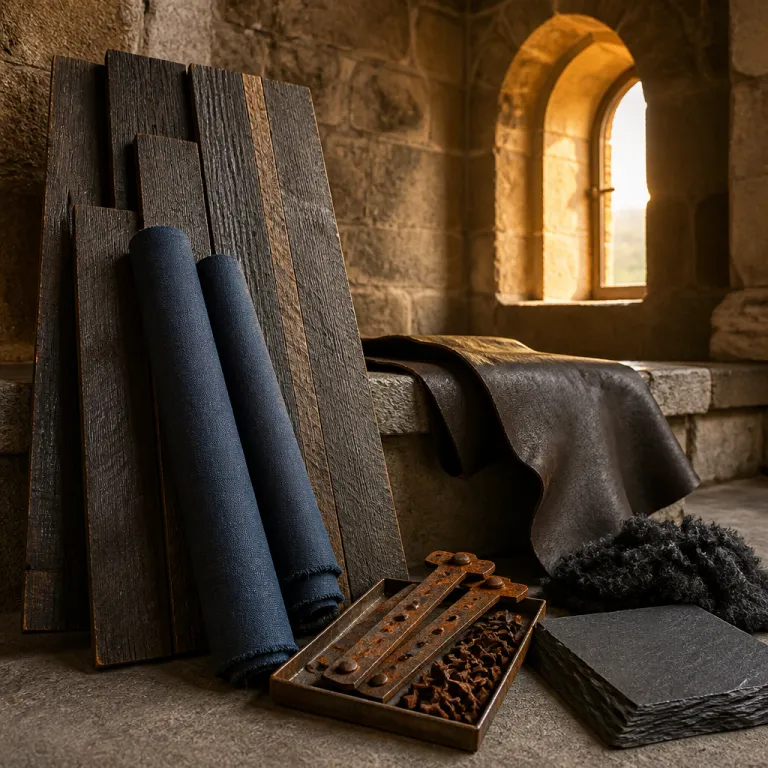
The quiet tension inside castle hotel furniture and antique interior design
Walk into a serious castle hotel and the first question is silent but immediate. Does the castle hotel furniture antique interior design feel genuinely historic, or like a film set with good lighting ? Your eye reads the room before your body tests the mattress.
In many restored castle properties, the design brief is deceptively simple yet brutally complex. Owners want each room to express the castle era, while still functioning as a modern hotel room where guests can work, rest, and unpack without anxiety about damaging fragile furniture. That tension shapes everything from the height of the headboard to whether the reading lamps are wired into stone walls or freestanding in the space.
Authentic antiques carry emotional weight that no reproduction can fully match. A seventeenth century chest at the foot of the bed changes how you feel about the room design, even if you never open a drawer. Yet that same piece, in daily hotel use, faces suitcase wheels, damp coats, and the occasional room service tray left carelessly on its vintage surface.
For travelers extending a business trip, this balance matters more than they sometimes expect. You may arrive needing a functional room to work in, with reliable lighting and a desk that handles a laptop, but you also booked a castle for the atmosphere and the views. The best rooms manage to feel like a private wing of a country house, not a themed floor in a generic hotel.
Across the sector, three broad approaches now dominate castle hotel furniture antique interior design. Some properties commit to full period authenticity, filling rooms with museum grade furniture from a single century or era. Others lean into contemporary comfort, using high quality reproductions that echo the castle’s story while accepting that guests will treat the room as a practical space, not a gallery.
Antiques in the line of fire: preservation, insurance, and cost
When a castle hotel chooses real antiques for guest rooms, it steps into the world of conservation rather than simple décor. A seventeenth century armoire was never designed for the turnover of a busy hotel room, where guests arrive late, hang heavy coats, and sometimes slam doors. Each action that makes the room feel lived in also shortens the life of the furniture.
From a financial perspective, maintaining antique furniture in a hotel context can cost five to ten times more per year than replacing good reproductions. Some large estates now employ full time furniture restorers whose work focuses almost entirely on guest rooms and public spaces. Insurance policies often treat a castle’s antique collection as a separate asset, which then dictates how many rooms can contain original pieces and how those rooms are used.
That is why many owners keep the most valuable furniture in controlled public rooms rather than in bedrooms. The great hall, the library, and the main staircase landings become showcases for the castle hotel furniture antique interior design story. Bedrooms, by contrast, may feature one or two vintage accents, such as a carved headboard or a writing desk, while the rest of the room design relies on durable contemporary pieces.
Designers working on these projects often start with a detailed inventory of what the house already owns. They decide which century each wing should evoke, then map antiques to specific rooms where the feel and the insurance conditions align. For deeper insight into how the same logic applies to wall finishes, many travelers find it useful to read about historic paint and period colour choices in castle hotels.
Guest expectations add another layer of complexity. Reviews that praise a castle hotel for its character usually mention original furniture in public rooms, not necessarily in the private room where guests sleep. Yet when something breaks in that private space, from a wardrobe door to a reading lamp, the complaint is immediate and unforgiving.
Three furnishing strategies: full antiques, reproductions, and the hybrid model
Across Europe and the United States, three clear strategies now define castle hotel furniture antique interior design. The first is the full antiques approach, where both public rooms and bedrooms are furnished almost entirely with period pieces. The second is the reproduction led model, where contemporary furniture is crafted to echo a specific era while meeting modern hospitality standards.
The third, and increasingly dominant, strategy is a hybrid model. Here, the castle reserves its most important antiques for ceremonial rooms, such as the dining room, library, and principal staircase, while bedrooms mix vintage accents with robust contemporary furniture. This approach allows guests to feel immersed in history when they move through the house, yet still enjoy a practical hotel room where they can work, rest, and unpack without worry.
Peckforton Castle in Cheshire offers a useful case study. In some suites, the room design leans heavily on original stonework, high ceilings, and a dramatic carved headboard, while the desks and wardrobes are contemporary pieces built to withstand hotel use. Other rooms at Peckforton Castle use reproduction four poster beds that look convincingly medieval, but hide modern mattress technology and discreet power outlets for laptops.
For many travelers, this hybrid balance feels right. You walk through corridors lined with portraits from another century, then enter a room where the views over the estate are framed by thick walls but the furniture quietly does its job. If you are planning a stay focused on reading and reflection, it is worth seeking out properties that invest in a dedicated library or reading room ; this trend is explored in depth in an article on why the reading room is becoming the most coveted space.
Reproduction led properties, by contrast, often feel more consistent from room to room. The design language is tightly controlled, the furniture is easier to replace, and the insurance conversation is simpler. Yet some guests report that these rooms feel slightly staged, especially when every headboard, chair, and wardrobe appears identical across multiple rooms.
What guests actually notice: authenticity, comfort, and the feel of the room
Guest feedback patterns are remarkably consistent across castle hotels. Reviews that praise a property’s authenticity and character tend to reference original furniture in public rooms, creaking floors, and the sense that the house has lived through more than one era. Comments that highlight comfort and functionality usually focus on the bed, the mattress, and the practicality of the room design.
When travelers mention a specific room, they often talk about the feel of the space rather than the provenance of each piece of furniture. A generous headboard, good reading lights, and a small table where you can work or enjoy room service matter more than whether the chair is eighteenth century or a contemporary reproduction. The castle hotel furniture antique interior design only becomes a problem when it gets in the way of sleep, movement, or storage.
Business leisure guests, in particular, need rooms that support both laptop time and genuine rest. They want a desk with enough space for work, a comfortable chair for reading, and a bed that feels indulgent after meetings. If the views from the room take in the castle courtyard or the surrounding landscape, that visual connection to the house and its grounds often compensates for less obviously historic furniture.
Public spaces, however, are where antiques earn their keep. A drawing room with vintage sofas, a reading corner framed by bookcases, and a dining room lined with portraits from another century all contribute to the emotional value of the stay. For many guests, this is where the castle hotel furniture antique interior design justifies the room rate and the decision to choose a castle over a conventional hotel.
When planning a stay, it helps to read reviews with this distinction in mind. Look for comments about how the rooms feel to live in, not just how they look in photographs. Pay attention to whether guests mention noise, light, and mattress comfort alongside their praise for the castle’s history and furniture.
The designer’s dilemma: period accuracy versus modern hospitality
Interior designers working on castle hotel projects operate under constraints that would surprise many travelers. They must respect the architecture of the castle, honour the era that defines the house, and still deliver a hotel room that meets contemporary expectations. No one wants to sleep on a historically accurate medieval bed, however photogenic it may appear in marketing images.
In practice, this means that mattresses, linens, and most upholstery are firmly contemporary, even in the most historically rigorous properties. Designers then layer in vintage or reproduction elements where they will have the greatest visual impact without compromising comfort. A carved wooden headboard might be genuinely nineteenth century, while the bed frame and mattress beneath are entirely new.
Lighting is another area where compromise is essential. Period appropriate chandeliers and wall sconces may define the character of public rooms, but bedside reading lights and task lamps in bedrooms must meet modern standards. Guests who extend business trips into leisure stays often need to work in their rooms, so designers create flexible space with movable lamps and desks that do not feel like office furniture.
Colour palettes and textiles also bridge eras. Heavy drapes, patterned carpets, and textured wall coverings can evoke a particular century without requiring every piece of furniture to be original. For a deeper look at how these choices intersect with architecture and event planning, the article on why castle hotels are now favoured by wedding planners offers useful context.
Designers who specialise in castle hotel furniture antique interior design often speak of “honest comfort”. The goal is to let the castle feel like itself, with all the quirks of an old house, while ensuring that every room functions as a reliable hotel space. When this balance is right, guests rarely think about the individual pieces of furniture ; they simply feel that the room belongs to the building and to their stay.
How to read a castle hotel listing: practical tips for choosing your room
When you browse a castle hotel booking page, the photographs tell only part of the story. Look closely at the furniture in both public rooms and bedrooms, and ask yourself whether the castle hotel furniture antique interior design feels coherent. A room with one ornate vintage chair and otherwise generic furniture may signal a property that leans more on marketing than on substance.
Pay attention to how many different room types the hotel offers. Properties that invest in distinct rooms, each with its own room design and furniture mix, usually care more about the guest experience than those that repeat the same layout across dozens of rooms. If you see images of a library, a reading room, or a dedicated work space, that often indicates a thoughtful approach to how guests actually use the house.
Descriptions that mention specific centuries or eras can be helpful, but they should align with what you see. If a hotel claims a seventeenth century atmosphere yet shows mostly contemporary furniture, expect a reproduction led approach. Conversely, if you see visibly aged wood, uneven floors, and furniture that clearly predates the last century, you are likely looking at a property that accepts the higher maintenance costs of real antiques.
Do not hesitate to contact the hotel directly with precise questions. Ask whether the room you are considering has a desk suitable for work, what the views overlook, and whether the bed features a modern mattress even if the headboard is antique. For travelers who care deeply about history, it can also be worth asking which rooms contain original furniture from the house.
Finally, consider how you plan to use your time. If you expect to spend long hours reading or working in your room, prioritise comfort, light, and space over the density of antiques. If your stay is more about exploring the castle and its grounds, you may be happier with a simpler room and richer public spaces that showcase the castle hotel furniture antique interior design at its most expressive.
When antiques are worth it: where to spend and where to save
From an owner’s perspective, the question is not whether antiques are beautiful. It is where they add enough value to justify their cost, fragility, and insurance implications in a working hotel. The smartest castle hoteliers now treat furniture as a strategic asset rather than a decorative afterthought.
Public rooms that define the guest narrative usually deserve the highest concentration of original pieces. A great hall with a long vintage dining table, a drawing room with deep sofas, and a staircase landing with portraits from another century all help guests feel that they are staying in a living house rather than a themed hotel. These spaces can be supervised, maintained, and insured in ways that individual bedrooms cannot.
Bedrooms, by contrast, are where contemporary comfort should quietly dominate. High quality modern beds, robust wardrobes, and practical desks make the room work for sleep, storage, and occasional laptop sessions. Antique accents, such as a carved headboard or a small writing table, can then be layered in where they will not bear the brunt of daily wear.
For travelers, this means that the most rewarding stays often come from properties that invest in both areas. You want a castle where the library, dining room, and corridors tell a coherent story through their furniture, yet your own room feels like a calm, functional space. When you find that balance, the castle hotel furniture antique interior design becomes more than a backdrop ; it becomes part of how you remember the trip.
As you compare options, resist the urge to mentally “buy” the most dramatic room based on photographs alone. Instead, think about how you will move through the house, where you will rest, and which rooms will matter most to your stay. That mindset will help you choose castle hotels whose furniture strategies align with your own priorities.
Key figures behind castle hotel furniture strategies
- Maintaining antique furniture in active hotel rooms can cost five to ten times more per year than replacing reproduction pieces, according to conservation specialists working with European heritage properties.
- Guest review analysis by several major booking platforms shows that mentions of “authentic” and “character” cluster around properties with visible antiques in public rooms, while mentions of “comfortable” and “functional” are more common in reviews of reproduction furnished bedrooms.
- In many historic estates, between 60 % and 80 % of the most valuable furniture pieces are now kept in controlled public spaces rather than guest rooms, a shift driven by insurance requirements and conservation advice.
- Specialist insurers often require separate policies for castle collections, and these policies can restrict how many rooms may contain original furniture and how those rooms are marketed to guests.
- Hybrid furnishing models, which combine antiques in public rooms with contemporary furniture in bedrooms, are now the dominant strategy among leading castle hotels in the United Kingdom, France, and Ireland.
FAQ about castle hotel furniture and antique interiors
How can I tell if a castle hotel uses real antiques in its rooms ?
Look for detailed descriptions that mention specific centuries, makers, or provenance, and compare them with high resolution photographs of both public rooms and bedrooms. Properties that use genuine antiques usually highlight them in the great hall, library, and main staircase, while bedrooms may feature only a few key pieces such as a headboard or writing desk. If every room looks identical and the furniture appears flawless, you are probably seeing high quality reproductions rather than original antiques.
Are rooms with antique furniture less comfortable than those with reproductions ?
Not necessarily, but comfort depends on how the hotel balances authenticity with modern standards. Most serious castle hotels use contemporary mattresses, linens, and seating even when the visible frames or headboards are vintage. If you are concerned, ask the property whether the bed and seating in your chosen room are modern, even if the overall design looks historic.
Why do some castle hotels keep their best antiques out of guest bedrooms ?
Original furniture is vulnerable to damage from luggage, spills, and daily wear, and it is often expensive or impossible to replace. Insurance policies for castle collections can also restrict where high value pieces are placed and how those rooms are used. Many owners therefore reserve their most important antiques for supervised public rooms, where they can be appreciated without facing the full impact of hotel traffic.
Is a hybrid furnishing model the best option for most guests ?
For many travelers, a hybrid model offers the most satisfying balance between atmosphere and comfort. Antiques in public rooms provide the sense of history that justifies choosing a castle, while contemporary furniture in bedrooms ensures reliable sleep, storage, and work space. This approach also helps properties manage maintenance costs and insurance obligations without diluting the character of the house.
What should I ask a castle hotel before booking if furniture matters to me ?
Ask whether the specific room type you are considering includes original furniture from the house or mainly reproductions. Clarify whether the bed uses a modern mattress, whether there is a proper desk or table for work, and what the views overlook. If you value historic ambiance, you can also request a room close to key public spaces, such as the library or great hall, where the castle hotel furniture antique interior design is usually at its richest.