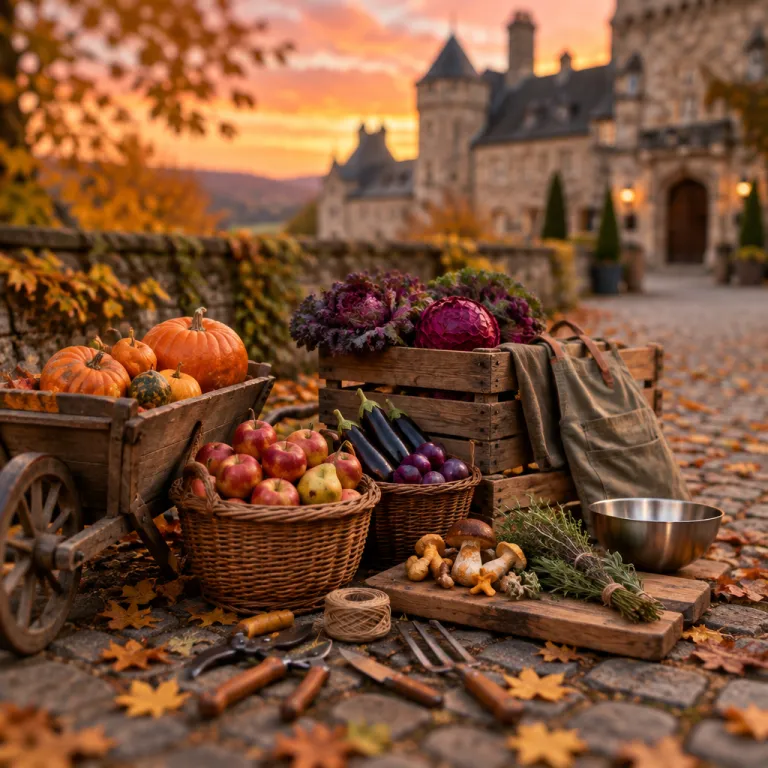
Reading a castle hotel autumn harvest menu like an insider
Arrive at a castle in autumn and the first real test is the menu, not the moat. A serious castle hotel autumn harvest menu reads like a field report from the estate, and your dining experience should feel anchored in the soil outside the window rather than in a distant wholesale market. When you book a stay for this time of year, ask for a sample autumn dinner menu in advance and check whether the language around seasonal ingredients is specific or just poetic.
Look for named plots in the walled garden, nearby farms and local game estates, because a credible castle hotel autumn harvest menu will trace food back to real places and people. When a head chef lists partridge with quince, celeriac and wild mushrooms, the best properties can tell you which part of the garden grew the roots and which hillside supplied the game. That level of detail signals a luxurious experience that goes beyond décor and shows an experience that captures the full rhythm of the season.
Menus that simply add the word seasonal to a three course format without changing the structure from summer to autumn are a warning sign. In a genuine estate to table dining experience, lunch dinner services shift noticeably as days shorten, with richer sauces, longer braises and more preserving techniques appearing. If the castle offers a tasting menu, ask whether the dishes change week by week as different seasonal ingredients peak, because this time of year moves quickly in the kitchen.
Breakfast is another quiet test of authenticity, since a thoughtful castle hotel autumn harvest menu will bring orchard fruit, compotes and warm grains to the morning table. A hotel that serves the same berries and tropical fruit all year is not leaning into the season, while one that roasts apples from its own garden and bakes bread with local grains usually is. When you book, request a room close to the main dining rooms if you plan to use breakfast, brunch and afternoon tea as anchors for your day rather than just the evening meal.
For guests balancing business and leisure, the ability to book flexible dining is crucial, and the best castles now offer refined options that work around meetings and calls. Many properties will arrange three course early dinners in smaller dining rooms or even in rooms private to your party, allowing you to work late and still engage with the autumn food narrative. Ask whether the restaurant can provide a full service tray in your room that mirrors the main castle hotel autumn harvest menu, rather than a generic club sandwich list.
Service matters as much as sourcing, so pay attention to how staff talk about the food and the season. When a team can explain why this particular time of year brings certain game birds, root vegetables and foraged mushrooms to the plate, you are likely in a place where the experience captures more than just a marketing line. That depth of knowledge turns a simple dinner into a luxurious experience that justifies travelling specifically for the castle and its kitchen.
From walled garden to great hall: how far estate to table really goes
Walk the grounds before your first meal and you will understand more about the castle hotel autumn harvest menu than any press release can tell you. A serious walled garden in autumn is busy with leeks, brassicas, late herbs and the last of the soft fruit, while glasshouses shelter tomatoes, peppers and citrus for breakfast and brunch. When a castle offers tours of the garden, take one, because you will see which seasonal ingredients genuinely shape the dining experience and which still need to be bought in.
Even the best estates cannot grow everything, so ask direct questions about what comes from the property and what does not. A confident head chef will explain that the garden supplies herbs, salads and some vegetables, while dairy, grains and certain meats arrive from trusted nearby farms that share the same standards. That honesty is more valuable than a vague promise of estate produce and helps you judge whether the castle offers the level of provenance you expect for a special occasion trip.
Inside, the architecture of the dining rooms also shapes how you experience the season, from stone halls with long tables to intimate rooms private to small groups. Some castles now use projection mapping and period costumes to reinvent the evening, and you can read more about these immersive castle hotel evenings in this guide to reinvented heritage dining rituals. When you book, decide whether you want a quiet three course fine dining progression or a more theatrical private event that turns dinner into performance.
Afternoon tea is where many properties quietly express their autumn personality, especially when the castle hotel autumn harvest menu extends to pastries and preserves. Look for scones with estate plum jam, spiced pumpkin tartlets and cakes scented with orchard fruit rather than generic chocolate slices that could appear in any season. If the hotel offers a full service tea in the library or drawing room, reserve early, because these slots often sell out among both residents and local guests.
Not every moment needs ceremony, and some of the best food memories come from informal lunch dinner combinations after a long walk on the grounds. Ask whether the restaurant can prepare a simple plate of roasted root vegetables, game terrine and crusty bread that reflects the same seasonal ingredients used in the evening fine dining menu. When a castle offers this kind of flexibility, it shows that the kitchen is confident enough in its produce to let it stand without elaborate plating.
For travellers who value wellness as much as wine, the link between the garden and the spa is becoming more important. Some estates now run a service spa that uses herbs, honey and botanicals from the grounds in treatments, creating a full service loop between what you eat and how you unwind. When you book, ask whether the spa can coordinate timings around your dinner or afternoon tea reservations, so the overall experience captures both sides of autumn on the estate.
Game, cellars and the sommelier’s season
Autumn is game season across much of Europe, and a serious castle hotel autumn harvest menu will not shy away from it. Expect to see venison, partridge, pheasant or wild duck on the dining experience roster, often paired with beetroot, cabbage and preserved berries that echo the landscape outside. If you are squeamish about game, say so when you book, because the best hotels will design a three course path through the menu that still reflects the season without forcing you into dishes you dislike.
Handled well, game can be one of the best expressions of estate to table cooking, especially when the castle works with a single gamekeeper or small local syndicate. Ask whether the head chef hangs and prepares the meat on site, and how long the process takes, because this time of year rewards patience and skill. A kitchen that can explain these details usually offers refined plates where strong flavours are balanced by careful sauces and bright seasonal ingredients.
For wine led travellers, this is the sommelier’s favourite time of year, when cellars finally meet their match in the food. Properties in wine regions take this further, and you can explore how estate vintages shape menus in this feature on castle wine country and serious cellar programs. When you book a castle for a special occasion, ask for a copy of the wine list alongside the castle hotel autumn harvest menu, because the pairing potential often justifies extending your stay by a night.
Autumn also suits longer, more contemplative meals, and many castles now offer exclusive offers that bundle a tasting dinner with a cellar tour. Look for packages where the experience captures both the kitchen and the wine program, perhaps with a pre dinner walk through the garden followed by a guided tasting in one of the older dining rooms. If the hotel offers a private event in the cellar for small groups, consider this for client entertaining, as it turns a business dinner into a luxurious experience that feels genuinely local.
Not every guest wants a heavy evening, and some of the most satisfying castle offers focus on brunch or late lunch dinner hybrids built around lighter game, fish and vegetables. Ask whether the restaurant can create a three course daytime menu that still uses the same seasonal ingredients as the evening service, perhaps with smaller portions and brighter sauces. This approach lets you enjoy the full flavour of the season without needing a long walk around the estate afterwards to recover.
Finally, remember that the bar is part of the autumn story, especially in castles with serious cocktail programs. Look for drinks built around orchard fruit, hedgerow berries and preserved syrups from the garden, rather than generic mixes that ignore the time of year entirely. When a property aligns its bar, restaurant and cellar around the same seasonal arc, the result is a coherent dining experience that makes the trip feel considered from breakfast to nightcap.
Planning and booking an autumn gastronomy stay
High end shoulder season demand is rising fast, and that matters when you plan a castle hotel autumn harvest menu led trip. Travel advisors report that more guests now target this time of year for cooler weather, quieter properties and stronger value, which means the best castles sell out their dining rooms before their suites. If you want a specific dinner, brunch or afternoon tea slot, book the restaurant and the room at the same time rather than waiting until arrival.
Start by deciding what kind of luxurious experience you want from the stay, whether it is a food focused weekend, a spa retreat with strong dining or a mix of both. Many castles now run exclusive offers that combine rooms private to your group with guaranteed tables, spa access and transfers, creating a full service package that removes friction from the trip. When you compare castle offers, look beyond headline prices and check how many meals, treatments and glasses from the cellar are actually included.
Practicalities matter, especially if you plan to swim, hike or work between meals, and you can find guidance on estates with serious water options in this overview of castle hotels with pools, lochs and wild swims. Ask whether the hotel spa can coordinate massage times around your lunch dinner reservations, so you are not rushing from the service spa to the restaurant. A well run property will stagger treatments and dining so that the experience captures the slower rhythm that suits this season.
When you book, request written confirmation of your dining experience schedule, including breakfast, brunch, afternoon tea and any three course or tasting menus. This protects you if the hotel becomes busy with weddings or a large private event that might otherwise displace individual guests from prime dining rooms. If the castle offers refined alternatives such as in room service that mirrors the main menu, confirm whether these options are available at the same quality level.
Room choice can shape how you feel the season, from suites overlooking the garden to chambers close to the great hall. Some travellers prefer rooms private to quieter wings, while others want to be near the bar and restaurant to maximise spontaneous food moments. Ask whether the hotel can place you on a floor that suits your pattern, especially if you plan to work during the day and treat dinner as the main event.
Finally, remember that autumn is a flexible season, with weather that can swing from golden afternoons to stormy evenings in a single weekend. Pack for both, and plan a mix of outdoor walks and indoor time by the fire, perhaps with a book and a plate of something simple from the castle hotel autumn harvest menu. When the property, the kitchen and the spa work together, the result is a stay where the experience captures the full character of this time of year rather than just its Instagram moments.
FAQ
How can I tell if a castle’s autumn menu is genuinely seasonal ?
Look for specific references to local farms, the estate garden and named producers rather than generic mentions of seasonal ingredients. A serious castle hotel autumn harvest menu will change week by week as different vegetables, game and fruit come into their peak. Staff should be able to explain where key items come from and why they are on the menu at this time of year.
Is autumn a good time to book a castle stay for business leisure trips ?
Autumn is often the best season for executives extending work trips, because castles are less crowded than in high summer but still fully staffed. Many properties offer refined midweek packages that combine meeting friendly lunch dinner options with strong Wi Fi and quiet rooms private to business travellers. You also benefit from exclusive offers that bundle dining, spa access and transport at better value than peak periods.
What if I do not eat game but want the autumn experience ?
Most serious castle restaurants can build a three course path through the autumn menu without using game, focusing instead on fish, vegetables and dairy. When you book, note your preferences and ask the head chef to suggest alternatives that still use the same seasonal ingredients and techniques. This way you enjoy the full dining experience and atmosphere without compromising on your comfort.
How far in advance should I reserve dining during autumn at a castle hotel ?
For popular castles with strong reputations, you should reserve dinner and afternoon tea at least several weeks ahead, especially for weekends. High end shoulder season demand means that dining rooms can fill even when the hotel still has spare rooms. Always request written confirmation of your restaurant times alongside your room booking.
What should I look for in a spa when booking an autumn castle stay ?
Seek a spa that feels integrated with the estate, ideally using botanicals, honey or herbs from the garden in its treatments. A good service spa will coordinate massage and thermal sessions around your dining schedule, so you can move calmly from pool to plate. When the spa and kitchen share the same seasonal mindset, the overall experience captures the restorative side of autumn travel.