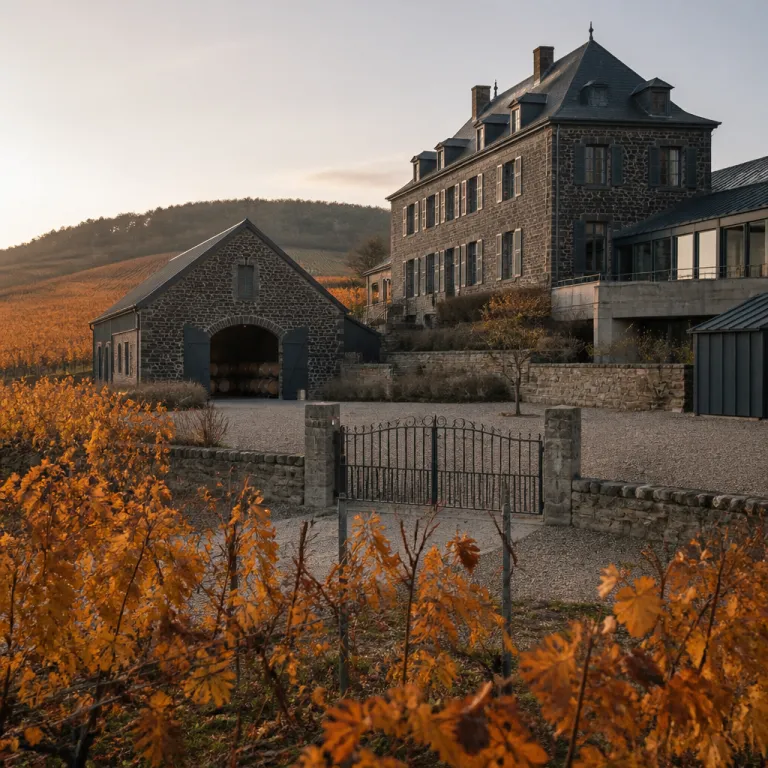
Chateau la Commaraine Burgundy winery castle hotel in context
Chateau la Commaraine Burgundy winery castle hotel sits just outside the village of Pommard, wrapped in its own premier cru vines. This is not a chateau that merely overlooks a vineyard ; the medieval walls, the working cuverie, and the contemporary hotel spa are all threaded directly through the Clos Commarain parcel itself. For guests used to a champagne hotel where vineyards sit at a polite distance, the immersion here feels far more intimate.
The estate covers a little under 4 hectares within the historic Clos Commarain, part of the wider Côte de Beaune landscape that links Pommard to Beaune. From many rooms and suites, vineyard views run unbroken across the estate, so the line between hotel and vineyard blurs from the moment you open your room window. That sense of continuity is what sets Chateau Commarain apart from more conventional château properties in Burgundy and beyond.
Architecturally, the chateau dates back to the early twelfth century, with fourteenth century stonework still visible in staircases and vaulted corridors. Inside, the commaraine hotel team has layered refined contemporary design over those bones, creating rooms suites that feel calm rather than theme park medieval. For business leisure travelers extending a stay from Beaune or Dijon, the balance between heritage and efficiency is unusually well judged.
Compared with Bordeaux estates such as COMO Cordeillan Bages or Château de Berne in Provence, Chateau la Commaraine Burgundy winery castle hotel pushes the wine narrative further. Those properties sit near vines ; here, the cuverie, the spa cuverie, and the main hotel spa facilities are structurally integrated into the winemaking buildings. The result is a guest experience where every movement, from breakfast to the outdoor pool, passes through the working life of the vineyard.
Location matters for serious Burgundy travelers, and the village Pommard address is a strong card. You are minutes from Beaune by car, yet the estate feels self contained, with the clos acting as a green moat around the chateau. For executives used to urban five star hotels, the combination of privacy, vineyard views, and quick access to meetings in Beaune or the Côte de Beaune is particularly compelling.
Rooms, suites and the cuverie edge
The 37 rooms at Chateau la Commaraine Burgundy winery castle hotel are spread between the historic chateau and sensitively converted wings. Entry level room categories already offer vineyard views over Clos Commarain, while higher tier rooms suites add more generous seating areas and, in some cases, exposed stone walls that remind you this was once a fortified estate. Sound insulation is strong, which matters when harvest activity in the cuverie runs late into the night.
Several suites sit directly above the winery, including the signature Cuverie Suite that has become a talking point among Burgundy regulars. From here, guests can look down into the working cuverie, gaining a literal top down perspective on fermentation tanks and the choreography of harvest, which turns a standard hotel stay into a live masterclass in estate operations. For travelers who usually split time between a champagne hotel and a Rhône property, this level of proximity to production is rare.
Design wise, the commaraine hotel avoids faux rustic gestures and instead leans into clean lines, tactile fabrics, and a restrained palette. Each room uses oak, wool, and stone to echo the surrounding vineyard without overwhelming guests with wine themed décor. Lighting is warm but practical, which suits business leisure travelers who may need to work before heading down to taste wines in the bar housed in the medieval tower.
Bathrooms are generous across most rooms and suites, with walk in showers, deep soaking tubs in higher categories, and amenities that match the five star positioning. The hotel spa is a short walk from all accommodation wings, so you never feel far from a steam session or a treatment after a day in Beaune or the Côte de Beaune vineyards. For those planning a shoulder season visit, this proximity becomes especially valuable when cooler evenings follow warm afternoons in the vines.
Pricing reflects the estate’s ambition, sitting above many traditional Burgundy addresses but below the very top tier of royal champagne level properties. If you are flexible on dates, late summer and early autumn often deliver strong value, with harvest energy in full swing and rates less inflated than peak festival periods ; guides to castle hotels that peak in shoulder season, such as the dedicated overview of September rates and summer weather, can help you benchmark what you are paying for this level of immersion. For executives used to corporate negotiated rates in city hotels, the premium here buys not just square meters but direct access to a working premier cru vineyard.
Wine immersion, vineyard views and the spa cuverie
The core promise of Chateau la Commaraine Burgundy winery castle hotel is total immersion in wine, and this is where the property most clearly delivers. Guests are not simply led through a standard tasting of estate wines ; instead, winemaker led walks through the vineyard explain how Clos Commarain fits into the hierarchy of Pommard premier cru terroirs. Standing among the rows, with the chateau behind you and Beaune visible in the distance, the Côte de Beaune suddenly feels legible.
Back at the estate, tastings move from barrel samples in the cuverie to comparative flights of older wines in the tower bar. The focus remains on how the Clos Commarain parcel expresses itself across vintages, so even casual wine drinkers leave with a clearer sense of what makes Pommard distinctive. For serious collectors, private sessions can be arranged that benchmark the estate’s wines against other Côte de Beaune producers, turning a hotel stay into a targeted research trip.
The spa cuverie concept is another differentiator, blending wellness with the sensory world of wine. Treatments use grape derived products, and some rooms in the spa overlook the vineyard, so your post massage rest comes with soft vineyard views rather than an urban skyline. The main hotel spa also includes a heated indoor area that complements the outdoor pool, giving guests options in every season.
Outside, a long swimming pool stretches along one edge of the estate, framed by stone walls and rows of vines. The outdoor pool is heated, which extends its usable season and makes an early morning swim under Burgundy skies a realistic pleasure rather than a marketing line. For business travelers arriving from long haul flights, that first lap can reset the body clock faster than any espresso in the village.
Service in these areas is handled by an équipe that understands both wellness and wine, so staff can move from explaining a massage menu to recommending a glass of Pommard without missing a beat. If you are building a wider itinerary of castle stays, resources such as the guide to using the Gidleigh Park main phone number for an exceptional country house stay show how other estates manage guest communication ; Chateau Commarain sits comfortably in that company in terms of responsiveness and pre arrival planning. The overall guest experience here feels curated rather than scripted, which is exactly what this audience expects.
Dining, chef Christophe and the Burgundy table
Gastronomy is central to the guest experience at Chateau la Commaraine Burgundy winery castle hotel, and the culinary program has been built to match the ambition of the cellar. In the main restaurant, chef Christophe Raoux brings the discipline of a Meilleur Ouvrier de France background to plates that reference village Pommard traditions without becoming nostalgic. His work here shows why the title meilleur ouvrier remains a powerful signal of craft in French kitchens.
Chef Christophe uses produce from the surrounding Côte de Beaune, pairing local vegetables and Charolais beef with the estate’s own wines in a way that feels both precise and generous. Menus are structured to encourage exploration of different Pommard premier cru expressions, so a multi course dinner can move from Clos Commarain to neighboring climats, all while staying anchored in the estate’s identity. For guests used to tasting menus in royal champagne level dining rooms, the tone here is slightly more relaxed but no less focused.
The second restaurant offers a more casual setting, ideal for nights when you return late from Beaune or a day trip further along the Côte de Beaune. Here, lighter dishes and sharing plates work well with by the glass pours of estate wines, and the atmosphere suits business leisure travelers who want to debrief a meeting without the formality of the main dining room. The bar in the medieval tower extends this mood, with a list that includes both Burgundy and carefully chosen bottles from outside the region.
Wine service is handled by a team that understands the nuances of Pommard and the broader Burgundy map, so pairing suggestions rarely feel generic. Staff are comfortable explaining the difference between a village Pommard and a premier cru from Clos Commarain, and they can just as easily guide you toward a glass of Champagne if you are in the mood for something closer to a champagne hotel aperitif. This level of fluency matters when your entire positioning rests on being a Burgundy winery castle hotel.
Behind the scenes, figures such as John Athimaritis contribute to shaping the overall hospitality strategy, ensuring that the commaraine hotel remains aligned with international five star expectations while staying rooted in local culture. For travelers mapping a broader circuit of historic estates, tools like the elegant map of Ireland with castles for a luxurious stay can help you compare how different regions interpret castle hospitality. Against that global backdrop, Chateau Commarain holds its own, particularly for guests who care as much about what is in the glass as what is hanging on the walls.
How Chateau la Commaraine redefines castle hotel hospitality
Most castle hotels with vineyards treat the vines as scenery, but Chateau la Commaraine Burgundy winery castle hotel reverses that hierarchy. Here, the vineyard is the protagonist, and the chateau, the hotel spa, and the swimming pool are supporting actors in a story about Clos Commarain and Pommard. For guests, that means every element of the stay, from room allocation to activity planning, is filtered through the lens of wine.
Compared with established models such as COMO Cordeillan Bages in Bordeaux or Château de Berne in Provence, the commaraine hotel feels more tightly focused. Those estates offer a broader mix of activities, from cycling to olive oil tastings, while Chateau Commarain doubles down on Burgundy wines and the specificities of the Côte de Beaune. If you want a general countryside resort, you may find the offer here narrower ; if you want to understand Pommard, it is a strength.
The integration of the spa cuverie and the outdoor pool into the working estate also shifts expectations of what a castle hotel can be. Instead of separating wellness from production, the design places them side by side, so you might move from a cellar visit to a massage within minutes, still carrying the scent of barrels on your clothes. That proximity creates a guest experience that feels unusually coherent, especially for business leisure travelers who value efficient, layered days.
From a practical standpoint, the location between village Pommard and Beaune allows easy access to meetings, tastings, and cultural visits across the Côte de Beaune. Transfers from Dijon or Lyon are straightforward, and once on the estate, most guests find little reason to leave except for targeted excursions. For those used to the more dispersed layouts of some royal champagne properties, the compact, walkable nature of this estate will be a welcome change.
Ultimately, what Chateau la Commaraine Burgundy winery castle hotel gets right is the alignment between story and reality. The chateau, the vineyard, the cuverie, the rooms suites, and the hotel spa all serve a single narrative about Burgundy wine, rather than competing for attention. For travelers who choose their stays as carefully as they choose their bottles, that clarity of purpose makes this estate a compelling addition to any serious itinerary of historic castle hotels.
FAQ
What makes Chateau la Commaraine different from other Burgundy castle hotels ?
The key difference is that Chateau la Commaraine is built directly around a working premier cru vineyard, Clos Commarain, rather than simply overlooking nearby vines. Guests stay in rooms and suites that sit above or beside the cuverie, with vineyard views from many windows and terraces. This creates a level of immersion in Pommard and the wider Côte de Beaune that most castle hotels cannot match.
Is Chateau la Commaraine suitable for business leisure travelers ?
Yes, the estate works particularly well for executives extending a business trip into leisure. The location near Beaune and village Pommard allows easy access to meetings and tastings, while the hotel spa, spa cuverie, and outdoor pool provide efficient ways to decompress. Reliable connectivity, well designed rooms, and flexible dining options make it practical as well as atmospheric.
When is the best season to stay at Chateau la Commaraine ?
Harvest season in early autumn offers the most intense wine focused experience, with activity in the cuverie and vineyard from morning to night. Spring and late summer bring softer light, comfortable temperatures, and excellent conditions for walking through the estate and exploring the Côte de Beaune. Winter stays are quieter and more introspective, with the focus shifting toward cellar tastings, the hotel spa, and long dinners with Pommard wines.
Can non experts in wine enjoy a stay at Chateau la Commaraine ?
Guests do not need deep wine knowledge to enjoy the property, because the team is skilled at tailoring explanations to different levels of interest. Casual drinkers can focus on the scenery, the spa, and simple tastings, while enthusiasts can dive into detailed discussions of Pommard premier cru terroirs. The overall guest experience is designed to feel welcoming rather than intimidating.
How does Chateau la Commaraine compare to a champagne hotel stay ?
A champagne hotel typically centers on sparkling wine and often offers a broader mix of regional producers, while Chateau la Commaraine focuses tightly on its own Pommard premier cru and Burgundy still wines. The atmosphere here is more about stone walled intimacy and vineyard views than grand avenue glamour. For travelers who already know the royal Champagne houses, this estate offers a complementary, more terroir driven perspective on French wine hospitality.