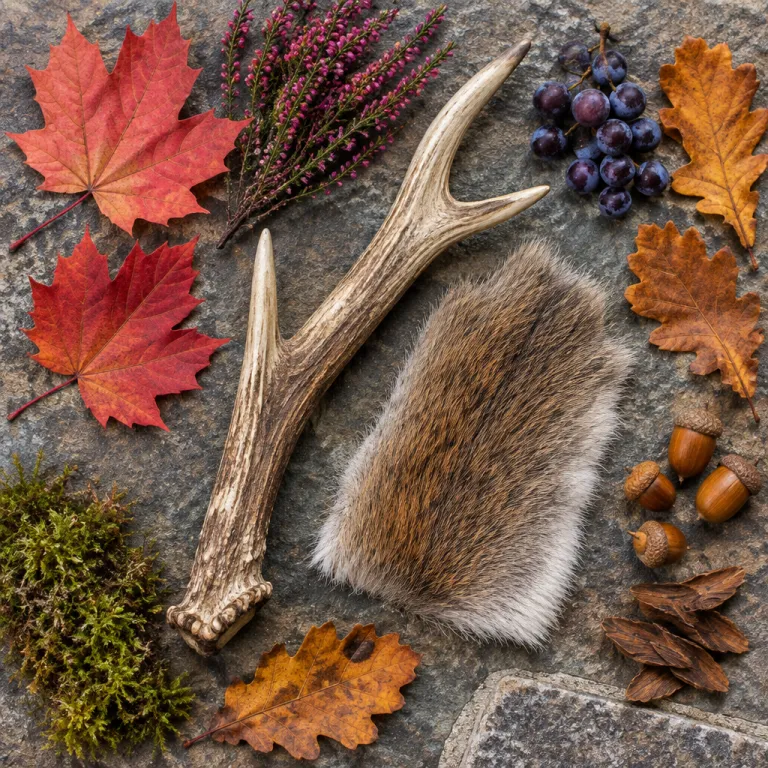
Autumn on the castle estate: where romance meets deer management
Autumn on a castle estate looks idyllic at first glance. Mist hangs low over the ground while red and roe deer move through bracken that has turned a deep green brown, and the stone castle glows softly in the late light. Yet this is also the time when deer stalking and wider deer management shape what guests actually see, hear, and are quietly asked to accept.
Across much of Scotland, from Balmoral estate to smaller properties in Highland Perthshire, unmanaged red deer numbers would strip hillsides bare and halt woodland regeneration. NatureScot has estimated that in some upland areas more than 12 deer per square kilometre can prevent young native woodland from establishing at all. Without large wild predators, estates use structured stalking and occasional driven shooting as tools to keep grazing pressure in balance and to protect fragile peatlands and young native trees. When you book a castle estate stay between July and October, you are stepping into this working landscape, not a static postcard.
For a solo explorer, that reality can feel complicated. You may love watching a stag or roe deer at close range yet feel uneasy about hunting, shooting, and the language of stag stalking that appears in estate brochures. On one Highland Perthshire estate, for example, a guest might watch a dawn cull from a distance with the head stalker explaining why a particular stag is selected, then later see that same animal on the menu as estate venison. Understanding why stalking deer happens, how it is regulated, and what happens to the animal in the food chain afterwards helps you decide whether you will enjoy engaging with it or prefer to keep your autumn stay firmly on the walking trails and in the library.
Why estates stalk deer at all: ecology, rewilding, and the missing wolf
Deer stalking exists because red deer and roe deer populations have expanded into a landscape where wolves and lynx no longer control numbers. On many Scottish and Welsh hills, too many deer mean overgrazed ground, suppressed tree seedlings, and fragile soils that wash into rivers after every heavy day of rain. Estate managers argue that ethical stalking red deer and carefully planned culls of roe are the least bad option available right now.
Rewilding projects in Scotland and Wales challenge that assumption by asking whether large areas of estate land should move away from driven shooting and intensive hunting traditions. Organisations such as Trees for Life and Rewilding Britain promote lower deer densities so that natural regeneration can take hold without fencing. Some castle estate owners now blend deer management with woodland creation, peat restoration, and wildlife tourism such as birding and botany walks, as explored in guides to wildlife activities on estate hotels. Others still prioritise pheasant partridge days and classic stalking deer experiences, creating a tension between conservation branding and the reality of the sporting calendar.
For guests, the key question is not whether stalking is good or bad in the abstract. It is how a specific castle estate uses deer stalking within a broader land management plan, and whether that plan genuinely reduces grazing pressure and supports woodland recovery over time. When you read that an estate offers a memorable day of stag stalking or a day red deer outing, ask how many animals are taken annually, what fitness required is expected of guests, and how the venison enters the local food chain. In Scotland, for instance, many upland estates now publish approximate cull numbers in line with NatureScot guidance, allowing you to see whether castle estate deer management Scotland cull numbers are trending down as habitats recover.
Inside a stalking day: what guests actually sign up for
Booking a stalking day through a luxury castle hotel is very different from booking a spa treatment. A typical day red deer outing begins before first light, when you meet the estate stalker, check equipment, and walk quietly onto the hill for several hours. Fitness required is real rather than theoretical, especially on steep Scottish ground or in the rougher corries of Highland Perthshire.
On some estates in Scotland and Wales, guests can choose between stalking deer on foot and more traditional driven shooting days that focus on pheasant partridge rather than red deer. A working sporting property, as explored in analyses of castle hotels that operate as farms, may also combine deer management with livestock, forestry, and habitat projects. That mix can make the experience feel more grounded, because you see how hunting, food production, and conservation intersect on the same estate.
If you are uneasy about hunting but curious about the landscape, you can usually opt out of any direct involvement in stalking red deer without friction. Ask the concierge to arrange a wildlife watching day instead, where you might glass for a stag at distance, learn how deer management works, and still return to the castle for a venison dinner. One Galloway stalker describes this as “letting guests see the whole story without asking them to pull the trigger”. You will enjoy the sense of place without feeling pushed into shooting or handling a rifle.
From hill to plate: venison, the food chain, and honest menus
One of the most tangible outcomes of deer stalking is what appears on your plate. When a castle estate serves venison from its own red deer or roe deer, it is offering a direct link between land management and the dining room. That connection can feel bracingly honest in a hospitality world where the food chain is often hidden behind vague menu language.
Ethically minded estates in Scotland, Wales, and northern England now explain how their deer management underpins the seasonal menu, sometimes listing the hill or forest block where a stag was taken. If you care about provenance, look for castle hotels where the chef and head stalker speak openly about numbers culled, hanging time, and how every part of the animal is used. Guides to places where you dine better than you sleep often highlight properties that treat venison as a responsibility rather than a marketing flourish.
Not every guest will enjoy reading about stalking deer while choosing a main course, and that discomfort is understandable. Yet if you eat meat, a transparent link between deer stalking, driven shooting byproducts, and the food on your plate can be more ethical than anonymous supply chains. Asking how an estate integrates red deer and roe into its food offering is one of the clearest ways to test whether conservation language is matched by practice. In parts of Scotland and Wales, for example, estates now send surplus carcasses to local butchers and community larders, turning necessary culls into affordable, low carbon protein.
How to read an estate’s ethics before you book
For a solo explorer weighing up castle estate deer stalking autumn ethics, the research starts long before you arrive. Read the estate website carefully and look for a clear deer management policy that explains why, how, and when culls take place. If the language leans heavily on tradition and royal family associations but says little about habitats, woodland, or peat, treat that as a data point.
Properties near Balmoral in Scotland sometimes reference Balmoral estate and its history with the British royal family to signal heritage and continuity. That heritage is real, yet it does not automatically guarantee that stalking red deer is carried out with modern ecological insight or that driven shooting is limited to sustainable levels. Ask direct questions about numbers, habitat monitoring, and whether the estate is exploring rewilding elements such as natural regeneration or reduced grazing pressure over time.
Working estates in Highland Perthshire, the Scottish Borders, and parts of Wales increasingly publish annual habitat reports and invite guests to join ranger walks that explain ground conditions and wildlife trends. Choosing a castle where staff can talk fluently about deer stalking, roe deer ecology, and the balance between wild character and guest access usually leads to a more memorable day on the hill. It also means you will enjoy your stay knowing that your room, your plate, and your autumn views sit within a thought through land management plan rather than a purely sporting calendar.
FAQ
Is deer stalking on castle estates legal and regulated ?
Deer stalking on castle estates in Scotland, Wales, and England is legal when carried out under national wildlife laws and seasons. Estates must follow strict rules on which species can be taken, at what time of year, and with what calibres and safety protocols. In Scotland, for example, the main open season for red deer stags typically runs from 1 July to 20 October, with hinds from 21 October to 15 February, under legislation overseen by NatureScot. Reputable properties work with qualified stalkers and often align their deer management plans with government or conservation body guidance.
Can I stay at a castle hotel in autumn without joining any hunting activities ?
Yes, you can usually stay at a castle hotel during stalking season without taking part in hunting or shooting. Most estates offer parallel programmes such as guided walks, wildlife watching, spa treatments, or cultural visits while stalking parties are on the hill. When booking, simply state that you prefer non hunting activities so staff can tailor your day accordingly.
How can I tell if an estate’s conservation claims are credible ?
Look for specific, measurable information rather than vague language about nature or tradition. Credible estates publish details on deer numbers, habitat projects, woodland regeneration, and how venison enters the food chain, and staff can answer questions about deer management without evasion. Independent recognition from conservation organisations or participation in landscape scale projects can also signal serious intent.
What level of fitness is required for a typical stalking day ?
A classic hill stalking day for red deer usually demands good cardiovascular fitness and confidence walking off path on uneven, sometimes steep ground. Guests may cover several kilometres while carrying a rifle or sharing that load with the stalker, often in cold, wet, or windy conditions. If you are unsure whether the fitness required matches your abilities, ask the estate for a candid description of terrain and alternatives such as lower ground roe deer outings.
Is a working sporting estate compatible with rewilding goals ?
A working sporting estate can support some rewilding goals if deer numbers are kept low enough for woodland and peatland recovery and if driven shooting is limited and carefully managed. The compatibility depends on how much land is reserved for habitat restoration versus intensive sport, and whether management decisions prioritise ecological outcomes over bag numbers. Guests who care about rewilding should ask estates to explain how stalking, forestry, and habitat projects fit together over the long term.