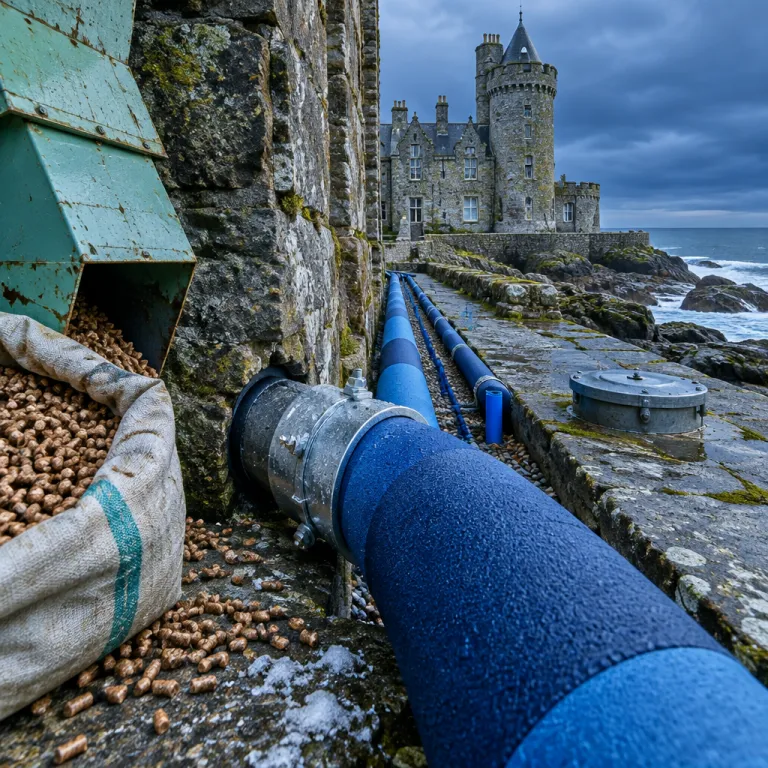
Why castle walls are both your best friend and worst enemy
Step into a medieval hall in winter and you feel it immediately. The same thick stone that once kept arrows out now hoards thermal energy in a way that makes every decision about heating a castle hotel renewable heating geothermal biomass level complicated. Those walls were built for defence and status, not for modern sustainability or guest comfort.
Stone has enormous thermal mass, so it absorbs heat slowly yet releases that heat just as slowly once warmed. This means a castle hotel needs a carefully planned heating system that runs almost continuously, rather than quick bursts of electric power that suit a city apartment, and the result shapes everything from your check in experience to the final room rate. When you read about a property claiming climate neutral operations, remember that behind the marketing is a daily battle with physics, moisture and the way water vapour moves through centuries old masonry.
In practical terms, good insulation is rarely an option for the exterior, because listed building rules often forbid wrapping historic façades in modern materials. Instead, hoteliers work with internal layers, secondary glazing and subtle draught proofing to reduce the energy needed to heat vast volumes of air. The most forward looking hotels pair these measures with renewable energy sources such as geothermal energy or biomass boilers, using smart controls and zoned systems to send heat only where guests actually are.
The renewable toolkit: biomass boilers, geothermal loops and discreet solar
Across Europe, a quiet experiment is underway as castle hotels test every flavour of renewable energy they can reasonably fit behind a crenellated parapet. Biomass boilers, often fuelled by wood chips from estate forests, now sit where oil tanks once glugged, while geothermal systems snake under lawns to capture low grade heat from the ground. The aim is simple yet demanding : to cut the carbon footprint of each stay without turning the property into a visible power station.
Biomass works best where a resort controls large tracts of woodland and can manage them as a sustainable, local fuel source. In these cases, the castle hotel renewable heating geothermal biomass strategy often combines a central biomass boiler with a district style heating system, sending hot water through insulated pipes to guest rooms, the spa and even an outdoor hot tub. When done well, guests feel only steady, quiet warmth and never see the industrial scale hardware that makes it possible.
Geothermal heating, by contrast, relies on buried loops or boreholes that tap into stable underground temperatures to provide both heating and cooling. These geothermal systems feed heat pumps that upgrade thermal energy into usable heat for radiators or underfloor circuits, powered by green electricity where possible to keep the overall system climate neutral. For a deeper dive into how these choices intersect with operating costs, the analysis in what it really costs to heat a castle shows why renewable options are becoming less a virtue signal and more a financial necessity.
Listed walls, hidden pipes: conservation rules and technical reality
Retrofitting a castle hotel with renewable heating is never just a technical puzzle. Every pipe run, solar panel and flue must pass through a filter of conservation rules that protect original stonework, timber ceilings and even the view from the terrace, which makes the castle hotel renewable heating geothermal biomass equation uniquely complex. You are not simply installing a new system ; you are negotiating with history.
External solar panels, for instance, may be banned on primary façades or visible rooflines, so some hotels hide solar thermal collectors in inner courtyards or on outbuildings. Ground source geothermal power may be allowed only in specific parts of the parkland to avoid disturbing archaeology, forcing engineers to design longer loops and more sophisticated systems to deliver the same heat. Even routing insulated pipes for heating and cooling can trigger debates about cutting through ancient stone or panelling.
Where estates own extensive land, the landscape itself becomes part of the solution, not just a backdrop for sunset walks. Managed woodland can supply biomass, while lakes and rivers sometimes host discreet water source heat pumps that draw renewable energy from flowing water without altering the view. A good example of this land first thinking is explored in Ireland’s large scale rewilding project, where biodiversity, climate resilience and guest experience are treated as one connected system.
From draughty legends to quiet comfort: what guests actually feel
For travellers, the question is simple : will my room be warm, quiet and genuinely eco friendly. Behind that simplicity lies a web of choices about electricity supply, pipe diameters, control systems and whether the castle hotel renewable heating geothermal biomass mix leans more on wood, ground loops or green electricity. You feel the outcome in the way a stone staircase holds a gentle warmth at midnight or how quickly your bathroom mirrors clear after a long shower.
Castles that rely on biomass boilers often deliver a familiar, radiator based heat that feels steady rather than sharp, especially when paired with good insulation in ceilings and floors. Properties that lean into geothermal heating and cooling can offer more even temperatures across seasons, with underfloor systems that keep flagstones pleasantly warm in winter yet avoid overheating in summer. In both cases, the most guest friendly hotels use smart zoning so that unoccupied wings are kept at a lower background temperature, preserving fabric while focusing full comfort where people actually sleep.
Well designed systems also shape the spa and wellness experience, from the temperature of the indoor pool to the reliability of an outdoor hot tub on a frosty night. If you are curious about how these choices intersect with wellness design, the feature on how castle hotels are rethinking spa spaces shows how thermal energy, water management and atmosphere come together. The best hotels translate complex sustainability engineering into something you barely notice : a room that feels right, air that is fresh rather than stuffy and a stay that aligns with your values on climate change without sacrificing comfort.
How to read sustainability claims when booking your castle stay
When you scan a booking page, sustainability language can blur into a soft green haze. To judge whether a castle hotel renewable heating geothermal biomass strategy is more than a slogan, start by looking for specifics about the heating system, electricity source and any recognised eco label. Vague references to being eco friendly or climate neutral mean little without detail.
Substantial claims usually mention concrete technologies such as biomass boilers, geothermal energy, solar thermal collectors or heat pumps, and they explain how these systems interact with the building. A serious hotel will state whether it buys green electricity, how much of its heat comes from renewable energy and what it is doing to reduce its carbon footprint beyond simply offsetting. Some properties, including at least one hotel located in Austria, now publish annual sustainability reports that outline progress toward carbon neutral operations and the share of power drawn from on site or nearby green electricity projects.
As a guest, you can also ask practical questions before you book, especially if you travel in the shoulder seasons when heating and cooling loads are highest. Ask whether the resort uses geothermal systems or biomass, how it manages water use and whether the estate itself supplies fuel through local woodland management rather than relying on distant power stations. Over time, clear demand for transparent information will push more hotels to treat energy, climate and sustainability as core parts of the guest experience, not just a marketing afterthought.
FAQ
How does geothermal heating work in a castle hotel
Geothermal heating in a castle hotel uses buried loops or deep boreholes to capture low level heat from the ground. Heat pumps then upgrade this thermal energy to a usable temperature for radiators or underfloor systems, often powered by green electricity to keep the overall impact climate neutral. Because the ground temperature is stable, geothermal systems can also provide gentle cooling in warmer months without the visual impact of large chillers.
Is biomass heating really sustainable for historic estates
Biomass heating can be sustainable when the fuel comes from well managed, local woodland that is replanted and maintained for long term health. Many estates integrate forestry plans so that wood chips or pellets used in the boiler match the natural growth of the forest, keeping carbon emissions in balance over time. Guests should look for clear statements about sourcing, certification and how biomass fits alongside other renewable energy measures.
Will a renewable heating system affect my comfort during a winter stay
In most well run properties, you will notice improved comfort rather than compromises. Modern biomass boilers and geothermal power systems are designed to deliver steady, even heat, often with better control in individual rooms than older oil or coal based setups. If you are concerned, ask the hotel about recent upgrades and whether guest rooms are on the newest circuits of the heating system.
Why do some castle hotels still rely on fossil fuels
Some castles remain tied to fossil fuels because of high upfront costs, complex conservation rules or limited access to suitable land for geothermal or biomass installations. Listed building restrictions can make it difficult to add new flues, external plant rooms or buried pipework without harming historic fabric. Many owners are moving gradually, starting with efficiency measures and partial renewable systems before fully replacing legacy boilers.
How can I tell if a castle hotel is genuinely eco friendly
A genuinely eco friendly castle hotel will share specific data and strategies rather than broad claims. Look for mention of geothermal heating, biomass, solar thermal, water saving measures, an independent eco label and transparent reporting on emissions and energy use. When in doubt, send a short email asking how the property approaches climate change and carbon reduction ; the clarity of the reply often tells you everything you need to know.