From ornamental grounds to measurable carbon assets
Walk through a mature castle garden and you are moving through a living carbon ledger. Across a typical castle estate of 50 to 200 acres, the landscape of woodland, lawns, meadows, and lakes now doubles as a measurable climate asset for sustainability focused hospitality. For travelers choosing a castle stay, the question is no longer only about turrets and tapestries but about how the estate manages its gardens, soil, and operations to reduce carbon emissions and protect future generations.
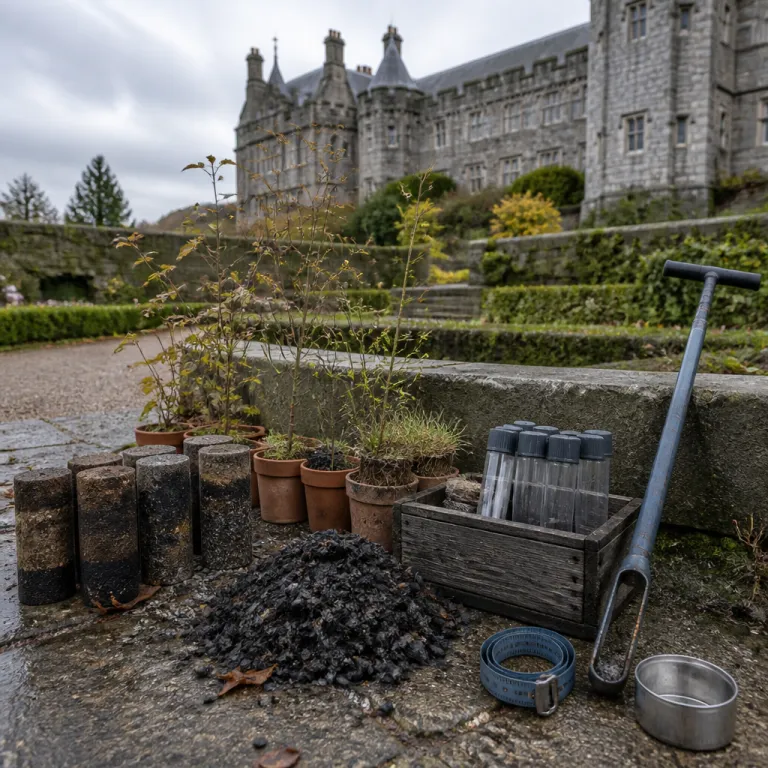
Environmental scientists working with heritage estate managers now treat each garden, woodland block, and farm field as a discrete carbon sink within the wider national landscape. Using field measurements, remote sensing, and data analysis, they calculate how much carbon is stored in tree biomass, how soil structure locks away organic matter, and how carefully planned land management can enhance biodiversity while minimising waste. One long term research programme across heritage gardens has measured an average carbon sequestration of 5.2 tons of CO2 per hectare each year, turning the traditional castle estate into a serious player in climate change mitigation.
For guests browsing a luxury booking website, these numbers matter because they translate directly into environmental impact per night stayed. A castle that publishes its carbon footprint, explains how its gardens and walled garden function as carbon sinks, and shows how it uses renewable energy such as solar panels or water energy is signalling serious sustainability rather than marketing gloss. When you see clear commitments to conservation, from native species planting to ground source heat pump systems, you are looking at a property where the landscape is treated as a long term asset, not a decorative backdrop.
Killeavy Castle Estate and the new metrics of restoration
Killeavy Castle Estate in Northern Ireland has become a reference point for travelers who want their stay to support measurable conservation. The owners have invested around GBP 1.5 million in landscape restoration, rewilding woodlands, reshaping gardens, and planting native broadleaf species across the wider estate to enhance biodiversity and reduce overall carbon emissions. That work has helped the castle estate earn major sustainability awards and positioned it as a model for how heritage properties can align luxury operations with serious environmental impact goals.
On the ground, this means more than a few saplings and a kitchen garden. Rewilded slopes above the castle now act as a continuous carbon sink, while improved soil structure in meadows and farm paddocks increases water retention and long term carbon storage in the soil. The estate team has rethought land management so that every path, hedgerow, and garden border contributes to conservation, from habitat corridors for local species to composting systems that minimise food waste from the restaurant and events operations.
For guests, the experience is quietly different. You might eat vegetables grown in the walled garden, walk through woodlands where carbon sequestration is being monitored, then read in your room about how the estate is tracking its carbon footprint under emerging EU sustainability frameworks. Travelers who care about sustainable stays can compare this level of transparency with other nature led retreats, including rainforest lodges highlighted in guides to the best luxury lodges for a rainforest escape in Queensland on specialist castle and wilderness accommodation round ups. The common thread is clear reporting on energy use, renewable energy investments, and conservation outcomes rather than vague green language.
Castle Howard and the rise of public sustainability reporting
Castle Howard in Yorkshire shows how a grand English castle can turn its vast landscape into a transparent sustainability case study. The estate has begun publicly reporting on biodiversity indicators, energy consumption, and carbon metrics, treating its gardens, woodland, and farmland as a single integrated system. For guests booking a stay nearby or visiting for the day, this level of disclosure offers a rare window into how a major heritage estate manages its environmental impact.
Here, the formal gardens, lakes, and surrounding farm land are not just scenery for wedding photos. They are mapped as carbon sinks, with tree belts, wetlands, and meadows assessed for their contribution to reducing the overall carbon footprint of the estate and its hospitality operations. Solar panels on outbuildings, experiments with ground source heat and other renewable energy systems, and careful water energy management in lakes and streams all feed into a sustainability strategy that aims to minimise carbon emissions while protecting heritage architecture.
For travelers, this matters because EU Corporate Sustainability Reporting Directive rules will increasingly require larger heritage hotels and castle estates to quantify their environmental impact in detail. That shift turns gardens and wider land management from a cost centre into a measurable asset that can attract sustainability conscious guests. When you read a property profile on a curated platform and see links to detailed conservation reports, or to essays on when the land matters more than the castle and how rewilding estates as hospitality can work on specialist rewilding focused features, you are seeing the future of luxury travel marketing.
Butterflies, bees, and the guest funded conservation model
Some castle hotels are pushing conservation further by turning their gardens into living laboratories for species recovery. One pioneering UK property has branded itself as the first Butterfly Resort in partnership with Butterfly Conservation, combining formal gardens, wildflower meadows, and woodland rides to support rare butterfly species alongside guest experiences. A 20,000 bee apiary project on the same estate links pollinator health directly to the food served in the dining room, closing the loop between garden, plate, and carbon sustainability.
For solo travelers, this creates a different kind of luxury. Instead of only admiring a manicured garden, you might join a guided walk that explains how specific plant species support butterflies, how soil structure is managed to protect ground nesting insects, and how reduced mowing regimes cut fuel use and carbon emissions. The same estate may use a mix of heat pump technology, including air source heat and ground source systems, alongside solar panels and other renewable energy to power guest rooms, kitchens, and spa facilities, all while publishing data on the resulting drop in carbon footprint.
These projects are not side notes to the main hospitality operations. They are increasingly central to the value proposition, with room revenue and event bookings explicitly funding conservation work across the castle estate, from woodland planting to wetland restoration. Guests are invited to understand how their stay supports the local economy through jobs in land management and gardening, how waste is handled to minimise environmental impact, and how privacy policy statements now sometimes include references to environmental data collected on the estate. For many travelers, the chance to support tangible conservation outcomes has become as compelling as a four poster bed.
How to read a castle estate sustainability story when you book
When you browse a luxury castle booking website, the sustainability section can feel dense, but a few key signals help you separate substance from spin. First, look for clear explanations of how the castle estate gardens function as carbon sinks, with references to woodland area, meadow restoration, and soil management rather than generic green claims. Properties that mention collaboration with environmental scientists, universities, or non profits, and that describe methods such as field measurements or satellite imagery, are usually taking carbon sustainability conservation seriously.
Second, pay attention to how energy and water are handled across the landscape. A credible property will explain whether it uses solar panels, heat pump systems, or other renewable energy sources, and how these choices reduce carbon emissions from day to day operations such as heating guest rooms, running kitchens, and maintaining pools or spas. Some estates now highlight water energy management in lakes and streams, showing how they balance irrigation for gardens and farm land with habitat protection for local species, which is especially relevant if you are interested in outdoor wellness experiences such as cold plunge pools in historic courtyards described in features on outdoor wellness at castle hotels.
Finally, look for transparency that extends beyond marketing copy. Serious estates will publish or at least summarise their carbon footprint, explain long term goals for future generations, and show how land management decisions in the gardens, walled garden, and wider landscape support the local economy and minimise waste. Some will reference research such as ongoing studies that assess castle gardens as carbon sinks, where experts note that “How do castle gardens act as carbon sinks? Through photosynthesis, plants absorb CO2, storing carbon in biomass and soil.” and “What methods measure carbon sequestration in gardens? Techniques include field measurements, remote sensing, and data analysis.” and “Why is measuring conservation impact important? It informs policy decisions and improves conservation strategies.” For a discerning traveler, this level of detail is now as much a marker of quality as thread count or wine lists.
FAQ
How do castle gardens actually store carbon during my stay ?
Castle gardens store carbon mainly through photosynthesis in trees, shrubs, and lawns, which absorb CO2 and lock it into biomass and soil. Well managed soil structure and minimal disturbance help keep that carbon underground for the long term. When estates expand woodland, restore meadows, and reduce chemical inputs, they increase the amount of carbon stored per hectare.
What should I look for in a castle estate sustainability report ?
A useful sustainability report will show total carbon footprint, breakdowns of carbon emissions from energy, travel, and operations, and clear actions taken to reduce those numbers. It should also describe how gardens, woodland, and farmland contribute to conservation, including data on biodiversity and land management. References to independent research partners or environmental agencies add credibility.
Does staying at a castle hotel really support local conservation work ?
At many heritage estates, room revenue and event income directly fund projects such as woodland planting, wetland restoration, and species monitoring in the gardens. Some properties earmark a portion of each booking for conservation or publish annual figures on how guest spending supports the local economy and environmental programmes. When you see this level of transparency, your stay is likely contributing to real on the ground outcomes.
How are scientists measuring carbon sequestration in heritage gardens ?
Environmental scientists use a mix of field measurements, such as tree diameter and soil sampling, alongside remote sensing tools like satellite imagery to estimate carbon stored in vegetation and soil. They then apply statistical software to model carbon sequestration across the whole estate landscape. This data helps heritage estate managers refine land management to enhance biodiversity and climate benefits.
Why are EU sustainability rules important for castle hotels ?
EU sustainability reporting rules will require larger hospitality businesses, including some castle hotels, to quantify and publish their environmental impact. That means detailed accounting of energy use, carbon emissions, and conservation actions across gardens and wider land holdings. For guests, these reports make it easier to compare properties and choose stays that align with personal sustainability values.