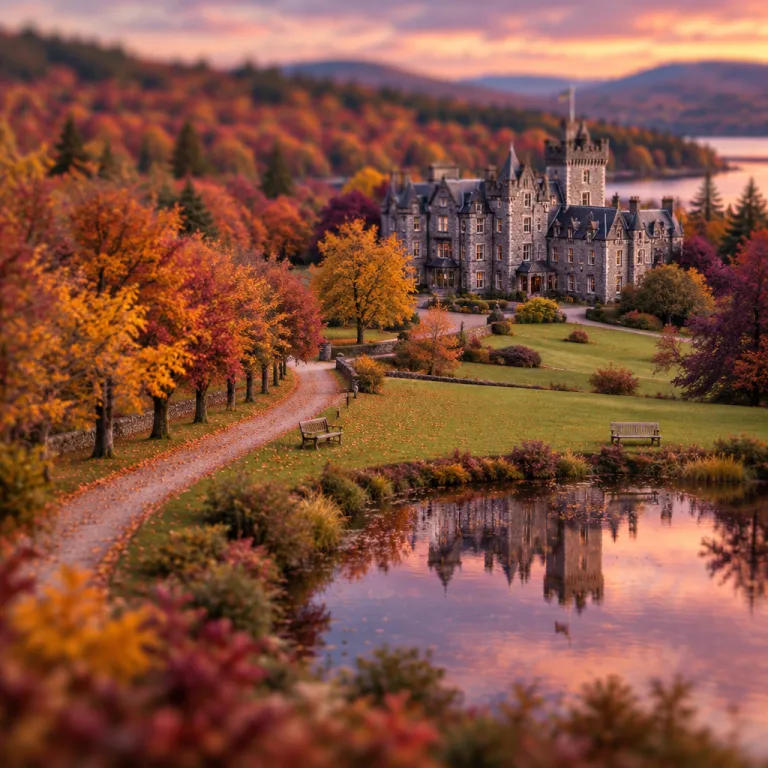
What forest bathing really means at a castle hotel
Forest bathing at a castle hotel is not a brisk hike with a spa voucher at the end. It is a structured nature immersion where you slow your nervous system through quiet attention to the surrounding forest and the layered sounds of leaves, birds and distant water. When properties market an autumn forest bathing escape in a historic castle, the most serious ones treat it as a sensory therapy rather than a themed walk with a camera stop.
The term shinrin yoku comes from Japanese forest therapy research, where slow time in a living forest was linked to lower blood pressure and steadier heart rate. Studies led by Dr. Qing Li and colleagues in Japan, for example, reported average systolic blood pressure drops of around 3–4 mmHg and reduced cortisol after guided sessions. At its best, a forest bathing retreat on castle grounds borrows that science and translates it into a guided forest session that respects the land as much as the spa experience. Couples should expect a calm bathing experience that feels more like meditation in motion than a fitness class with branded mats.
Ask how the hotel defines forest bathing before you book any immersion spa package or nature themed retreat. A credible programme will reference shinrin yoku and forest therapy explicitly, explain how long you spend in the forest and describe the specific benefits forest sessions aim to support for mental health and sleep. If the description only promises Instagram views and prosecco in the garden, you are buying a walk in nature, not a genuine bathing shinrin practice.
Why castle estates are built for nature immersion
Castle hotels sit on land that was never meant to be small, and that estate scale is exactly what makes nature immersion so powerful here. Mature forest belts, old carriage drives and walled garden paths create long uninterrupted lines of woodland where you can walk for an hour without hearing a road. When a property frames its autumn wellness offer honestly, it leans on this acreage rather than on a new lodge extension or a shiny sauna block.
Many estates in the south of England, the Scottish Borders or rural Bavaria now run a forest bathing retreat that uses forgotten corners of woodland once managed for game. At Schloss Elmau in Germany, for instance, guides lead slow walks through spruce and beech, building in pauses for breathwork and quiet observation. You might follow a guided forest route that skirts a lake, cuts through a yoku forest of beech and oak, then finishes in a sheltered garden with blankets and tea. The best programmes feel unforced and natural, letting you feel the shift in your nervous system as the forest therapy session moves from open meadow to denser trees.
Couples comparing wellness retreat options across regions, from castle estates to coastal resorts, will notice how different the silence feels under trees. A rainforest immersion spa in Central America or a holistic retreat in Panama can be extraordinary, and guides to the best holistic wellness resorts and retreats in Panama show how powerful that setting can be. Yet a European castle with deep forest and centuries of paths offers a distinct bathing experience, where history, nature and time all slow together in a way that suits reflective autumn days.
Autumn light, quiet paths and the feel of real seasonal wellness
Autumn is when castle grounds finally exhale, and that seasonal pause is the quiet engine behind many castle hotel forest bathing offers. Summer wedding traffic fades, the forest floor softens with leaves and the air carries that faint smoke and soil scent you only notice when you slow down. This is when a nature themed retreat on an estate can feel less like a product and more like a gentle reset for your nervous system.
In cooler air, your heart rate naturally steadies as you walk, and forest therapy guides often build this into the pace of a bathing retreat session. A 2010 study in Environmental Health and Preventive Medicine, for example, found that participants in forest environments showed lower pulse rate and higher parasympathetic activity than those in city settings. You might start in an open garden where the low sun warms stone walls, then move into denser forest where the light filters through copper leaves and the soundscape narrows to your own footsteps. One guide at an English estate describes it as “walking slowly enough to hear the leaves land,” a pace that helps many guests feel their breathing deepen without effort.
Outdoor focused wellness also lets castle hotels rethink the old model of the dungeon spa without another building project. Some estates now pair a short immersion spa circuit indoors with a longer guided forest walk, so the hot pool becomes a prelude rather than the main event. If you are curious how properties are rebalancing indoor and outdoor wellness, a detailed look at how castle hotels are rethinking wellness in their spa spaces shows how the trend is moving from cellar pools to the forest edge.
Guided programmes versus time alone among the trees
Not every couple wants a guide talking them through every breath, and the best castle hotel forest bathing autumn wellness offers recognise that. A strong programme will give you the option of a fully guided forest session, a lightly structured map for self led time and the freedom to simply wander the estate. The point is to feel your own rhythm return, not to collect certificates for attendance.
Guided forest bathing can be valuable, especially if you are new to shinrin yoku or feel anxious about unstructured time. A skilled guide will pace the bathing experience carefully, invite you to notice specific natural details and build in pauses that support your nervous system rather than overwhelm it. Look for guides who reference Japanese shinrin research, explain how forest therapy may support blood pressure and natural killer cell activity, and who are happy to leave long stretches of shared silence.
Equally, there is quiet power in walking alone or as a couple through a south facing yoku forest slope or along an old avenue of oaks. Some estates now provide printed prompts or audio notes that you can use in your own time, turning the entire property into a loose association with nature rather than a timetable of classes. When a hotel respects both guided structure and private wandering, its nature immersion offer usually feels more like genuine hospitality and less like a scripted spa experience.
How to read the wellness menu and spot real substance
Marketing language around castle hotel forest bathing autumn wellness can be lush, so you need a clear eye when you read. Start by checking whether the property has real forest on site, or only landscaped parkland with a few trees and a distant view of hills. If the description leans heavily on indoor pools and treatment rooms, you are probably looking at a traditional spa experience with a nature themed label.
Questions to ask before you book
Ask specific questions about the forest therapy offer before you commit to a bathing retreat package. How long is each guided forest session, how many guests join, and what training does the guide hold in shinrin yoku or related disciplines. Serious programmes will reference established forest therapy associations, share any data they track on guest outcomes such as perceived stress or sleep, and be honest that benefits forest sessions are gentle and cumulative rather than dramatic overnight fixes.
Signs of a thoughtful castle wellness programme
It is also worth noticing how the wider property treats its land and history, not just its spa. When a castle invests in restoring woodland, maintaining paths and opening quiet corners of the estate, its nature immersion offer usually feels grounded rather than opportunistic. At Ashford Castle in Ireland, for example, the estate has gradually reopened woodland trails and integrated slow walks into broader wellness stays, with guests often reporting better sleep and a lingering sense of calm after evening circuits. For a sense of how heritage properties are repositioning themselves more broadly, including shifts to major luxury brands, an analysis of what a palazzo conversion signals for the future of grand hotels shows how carefully curated wellness can sit alongside serious luxury without becoming a gimmick.
FAQ
What is the difference between forest bathing and a normal walk
Forest bathing is a slow, intentional practice where you focus on sensory detail in the forest rather than on distance or speed. A normal walk might be about exercise or sightseeing, while a bathing experience is closer to open eyed meditation. In a castle setting, that usually means shorter routes, more pauses and a guide or prompts that help you engage with nature in a structured way.
Are the health benefits of forest therapy scientifically supported
Research on shinrin yoku in Japan and other countries has linked time in forests with modest reductions in blood pressure, lower heart rate and improved markers of stress. Studies published in journals such as Environmental Health and Preventive Medicine and the International Journal of Environmental Research and Public Health have reported lower cortisol and improved mood after repeated nature immersion sessions. These effects are generally gentle rather than dramatic, so forest therapy should be seen as one supportive practice for overall health, not a medical treatment.
How should couples choose a castle hotel for autumn wellness
Focus first on the quality and size of the estate forest, then on the clarity of the wellness programme. A good castle hotel forest bathing autumn wellness offer will describe specific guided forest sessions, explain the role of the spa and outline how much unstructured time you will have outdoors. Reading guest reviews and asking direct questions about group sizes, guide training and seasonal schedules will help you separate thoughtful retreats from simple marketing.
Do you need a guide for a meaningful forest bathing retreat
A guide is helpful if you are new to the practice or find it hard to slow down alone. Guided forest sessions can introduce techniques from shinrin yoku, such as focusing on sound, texture or breath, which you can later use on your own. Many couples enjoy starting with one guided walk, then spending the rest of their retreat exploring the estate at their own pace.
What should you wear and bring for autumn forest bathing at a castle
Dress in layers suitable for cool, damp weather and choose waterproof footwear with good grip for leaf covered paths. Bring a light backpack with water, a small blanket or scarf for sitting, and perhaps a notebook if you like to reflect after sessions. Most castle hotels that take outdoor wellness seriously will provide rain ponchos, hot drinks and sometimes simple seating mats to keep the experience comfortable in changing autumn conditions.